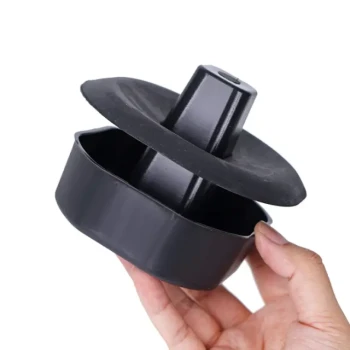
Hive stands are a critical component of apiary infrastructure, serving as the primary defense against environmental decay and biological threats. By elevating hives off the ground, they directly prevent wooden components from rotting due to soil moisture, create a physical barrier against predators like ants and toads, and provide the stable, level foundation required for bees to construct proper honeycombs.
Core Takeaway Placing hives directly on the ground compromises equipment longevity, colony hygiene, and comb structure. A stable stand acts as an essential intervention layer, isolating the colony from moisture and ground-based pests while ensuring the geometric precision required for healthy hive management.
Preserving Equipment Integrity
Mitigating Moisture Damage
Soil moisture is the primary enemy of wooden hive components. Elevating the hive protects the bottom board from direct contact with damp earth, significantly extending the lifespan of the equipment by preventing rot.
Preventing Splash Corrosion
Stands typically lift the hive to a height of 400mm to 500mm. This effectively isolates the structure from splashing rainwater, preventing water from wicking into the wood and corroding the lower hive body over time.
Biological Defense and Hygiene
Blocking Ground Predators
Stands create a vertical gap that acts as a fortress against natural enemies. This physical separation makes it difficult for larger pests, such as toads, to reach the hive entrance and prey on the colony.
Advanced Ant Barriers
Some specialized stands utilize dual chemical (oil) and physical (ash) barriers. These mechanisms effectively block crawling insects, specifically predatory ants, from invading the nest to steal resources.
Protecting Research Data
For scientific study, preventing ant intrusion is vital for data integrity. It ensures that biological debris—such as dead bees or Varroa mites—remains on the hive floor for accurate analysis rather than being carried away by scavengers.
Ensuring Structural Precision
Compensating for Uneven Terrain
Outdoor apiary sites rarely offer perfectly flat ground. Stands provide a stable support structure that can be adjusted to level the hive regardless of the underlying topography.
Preventing Comb Deformity
Bees rely on gravity to orient their comb construction. If a hive body is tilted due to unstable ground, the colony will build deformed honeycombs, which waste space and make frame removal difficult or destructive.
Optimizing the Internal Microclimate
Improving Ventilation
Elevation allows for unrestricted airflow beneath the bottom board. This improved ventilation helps regulate humidity within the nest, preventing the buildup of mold and maintaining a healthy environment for the brood.
Enhancing Sensor Accuracy
Raising the hive isolates it from drastic surface temperature fluctuations. This creates a more stable thermal baseline, allowing high-precision sensors to detect subtle changes in colony heat, improving the accuracy of strength prediction models.
Understanding the Trade-offs
Operational Complexity
While highly beneficial for stationary apiaries, heavy or complex stands can add logistical friction to migratory beekeeping operations. The need to set up and level stands at every new location increases physical labor compared to palletized systems used in commercial transport.
Maintenance Requirements
Stands themselves require inspection to ensure they remain stable over time. A stand that sinks unevenly into soft soil can introduce the very tilt issues it was designed to prevent, requiring periodic re-leveling.
Making the Right Choice for Your Goal
To maximize the effectiveness of your apiary, select a stand strategy that aligns with your specific management focus:
- If your primary focus is Equipment Longevity: Ensure your stands elevate hives at least 400mm to completely isolate wooden components from ground moisture and splashback.
- If your primary focus is Colony Health and Hygiene: Prioritize stands with integrated oil or ash barriers to eliminate stress from ants and preserve the integrity of fallen debris for monitoring.
- If your primary focus is Comb Quality: Invest in stands with adjustable legs or robust leveling mechanisms to prevent tilted hives and the resulting deformed honeycombs.
Successful beekeeping relies not just on managing the bees, but on managing the physical environment they inhabit.
Summary Table:
| Key Benefit | Primary Function | Impact on Apiary |
|---|---|---|
| Moisture Protection | Elevates bottom boards 400-500mm | Prevents wood rot and splash corrosion |
| Pest Defense | Creates physical/chemical barriers | Blocks toads, ants, and ground predators |
| Structural Precision | Provides stable, level foundation | Prevents deformed honeycombs and frame damage |
| Microclimate Control | Enhances airflow under the hive | Regulates humidity and prevents mold growth |
| Data Integrity | Isolates debris for monitoring | Ensures accurate Varroa mite and health analysis |
Maximize Your Apiary Productivity with HONESTBEE
At HONESTBEE, we understand that professional beekeeping requires precision-engineered infrastructure. Whether you are managing a commercial apiary or operating as a large-scale distributor, we provide the comprehensive tools you need to succeed. Our portfolio includes everything from high-durability hive stands and specialized beekeeping hardware to advanced honey-filling machinery and industrial consumables.
Partner with HONESTBEE to benefit from:
- Wholesale Solutions: Premium equipment tailored for commercial-scale operations.
- Full Spectrum Supply: A one-stop shop for tools, machinery, and cultural merchandise.
- Industry Expertise: Quality-tested products designed to enhance colony health and operational efficiency.
Ready to elevate your beekeeping business? Contact us today to discuss your wholesale needs and discover how our expertise can drive your success.
References
- Janaína Tayna Silva, Hellén Felicidade Durães. Use of beekeeping as a source of income for small producers. DOI: 10.30612/realizacao.v7i13.11258
This article is also based on technical information from HonestBee Knowledge Base .
Related Products
- Plastic Bee Hive Stand for Beekeeping
- Metal Hive Feet Bee Hive Stand for Ant Protection
- Metal Bee Hive Stand Bee Box Stand for Beekeeping
- Professional Ant-Proof Beehive Stand with Integrated Moat for Beekeeping
- Professional Galvanized Steel Frame Rest for Beehives
People Also Ask
- What are the benefits of elevating a bee hive with a stand or base? Protect Your Colony and Your Back
- What are the essential technical specifications for a high-quality bee hive stand? Maximize Stability and Hive Safety
- What are the potential risks of plastic bee hive stands? Avoid Structural Failure in Your Apiary
- What height should a bee hive stand be? Optimize for Your Back and Hive Health
- Why are specialized beehive stands or protective barriers necessary for pest management in apiaries? Secure Your Colony