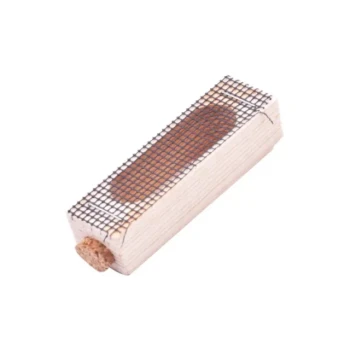
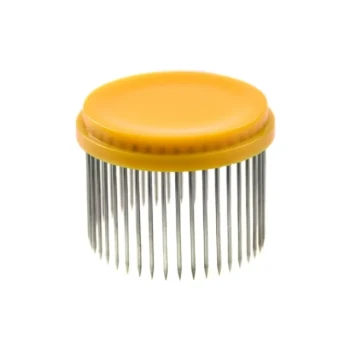
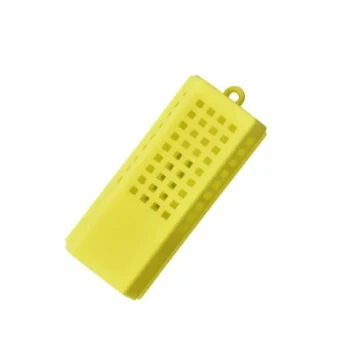
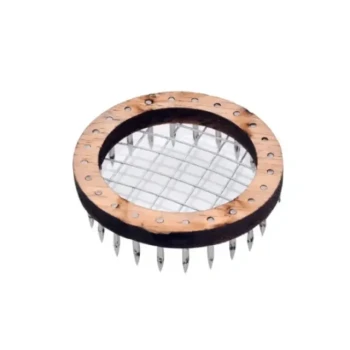
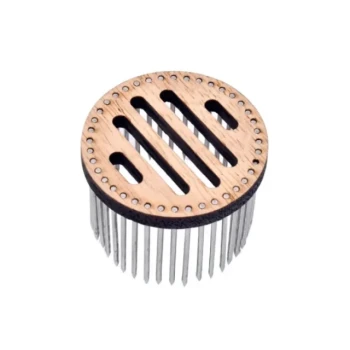
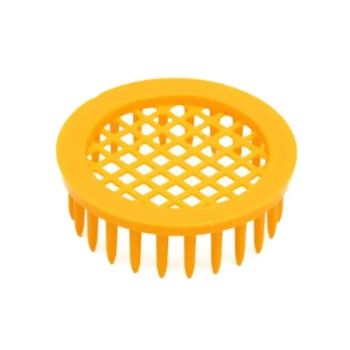
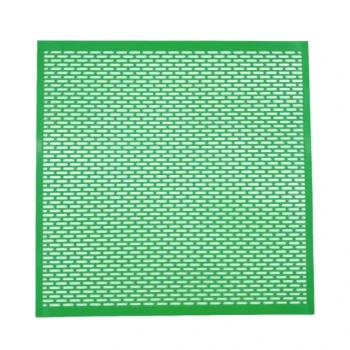
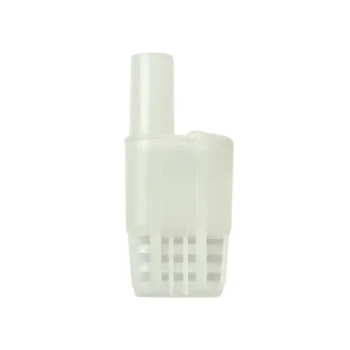
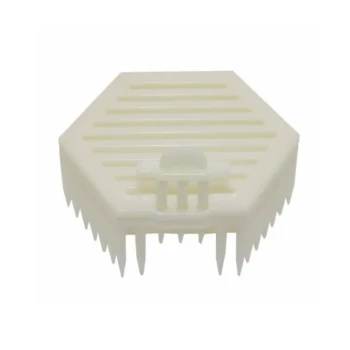
Customized queen exclusion cages are the standard solution for isolating variables in field studies to determine accurate egg-laying rates. By confining the queen to a specific single hive frame using a fine physical barrier, researchers can count exactly how many eggs are produced within a strictly defined timeframe.
The Core Insight Quantifying reproductive output requires a controlled environment within the chaotic system of a live hive. These cages allow for precise data collection by restricting the queen's location, while simultaneously utilizing specific mesh sizing to permit worker bees to enter, ensuring the queen receives the care necessary to maintain normal physiological activity.
The Mechanics of Controlled Exclusion
Defining the Spatial Boundary
In a standard hive, a queen moves freely, laying eggs across multiple frames in an irregular pattern. This makes it nearly impossible to distinguish new eggs from those laid days prior.
Isolating the Variable
The exclusion cage restricts the queen to a single hive frame. This strictly defined surface area transforms the frame into a measurable unit, ensuring that every egg found on that comb was laid during the observation window.
Establishing Temporal Precision
Accurate rate calculation requires a known denominator: time. By caging the queen for a set period (e.g., 24 hours), researchers can divide the total egg count by the hours elapsed to derive a precise rate of productivity.
Balancing Containment with Colony Integration
The Importance of Mesh Permeability
Total isolation would stress the queen and alter her laying behavior, invalidating the data. The cage design features a mesh size specifically calibrated to allow worker bees to pass through freely.
Sustaining Queen Health
Just as attendant bees are crucial during queen transport to provide feeding, cleaning, and thermal regulation, they are equally vital during field assessment. The exclusion cage allows workers to continue these maintenance behaviors, ensuring the queen's metabolic needs are met while she is confined.
Understanding the Trade-offs
Disruption of Natural Behavior
While necessary for data, confinement is inherently artificial. Restricting a queen to one frame prevents her from seeking optimal laying cells elsewhere in the hive, which could theoretically influence the absolute maximum rate she might achieve under total freedom.
Physical Manipulation Risks
The process requires opening the hive and handling the queen to place her inside the exclusion apparatus. Any physical manipulation carries a slight risk of inducing stress or accidental injury if not performed with expert care.
Making the Right Choice for Your Research
To ensure your data accurately reflects the queen's biological potential, consider your specific experimental goals:
- If your primary focus is precise rate calculation: Prioritize exclusion cages to create a distinct "time-zero" and "time-end" for your data collection.
- If your primary focus is queen physiology: Ensure the mesh gauge is strictly verified to allow full access for nurse bees, preventing nutritional stress during the confinement period.
The effective use of exclusion cages relies on finding the equilibrium between strict physical boundaries and open social access.
Summary Table:
| Feature | Function in Quantitative Assessment |
|---|---|
| Spatial Boundary | Restricts queen to a single frame for precise egg counting |
| Temporal Precision | Enables calculation of laying rates over a specific 24-hour window |
| Mesh Permeability | Allows worker bee access for feeding and queen maintenance |
| Variable Control | Standardizes the environment to distinguish new eggs from old ones |
| Health Preservation | Minimizes stress by maintaining colony integration during confinement |
Scaling Your Beekeeping Operations with HONESTBEE
Precision in the field is the foundation of a successful commercial apiary or distribution network. At HONESTBEE, we understand that high-quality data and efficient management require professional-grade tools. We provide a comprehensive wholesale portfolio designed to meet the rigorous demands of the industry, including:
- Specialized Equipment: From precision queen exclusion tools to advanced hive-making and honey-filling machinery.
- Beekeeping Essentials: A full spectrum of durable hardware and essential consumables for large-scale operations.
- Global Distribution: Reliable supply chains for distributors looking to offer premium bee-themed merchandise and equipment.
Whether you are refining your queen breeding program or outfitting a commercial honey production facility, our expertise ensures you have the right tools to succeed. Contact HONESTBEE today to discuss your wholesale needs and discover how our equipment can drive your apiary's productivity.
References
- Ashley L. St. Clair, Adam G. Dolezal. Access to prairie pollen affects honey bee queen fecundity in the field and lab. DOI: 10.3389/fsufs.2022.908667
This article is also based on technical information from HonestBee Knowledge Base .
Related Products
- Professional Bamboo Queen Isolation Cage
- Professional Queen Catcher and Introduction Queen Cage
- Professional Queen Cage with Sliding Gate and Feeder Plug
- Durable Galvanized Steel Spring Queen Bee Cage
- Professional Queen Bee Introduction and Transport Cage
People Also Ask
- Why are specialized queen bee cages used for the banking of mated queen bees? Maximize Commercial Apiary Storage Efficiency
- What is the mechanism of action for using temporary queen bee cages? Master Successful Queen Introduction
- How does the side ventilation design of a queen bee cage impact the safety of the queen during long-distance transport?
- What should you do if the queen is still in the cage and the worker bees have not accepted her? Protect Your Colony from Queen Rejection
- What technical precaution must be taken regarding the mesh or grill side of a queen bee cage? Ensure Queen Survival