Dedicated transport and storage hardware are non-negotiable infrastructure for organic beekeeping in rugged environments. These specialized devices perform the dual function of minimizing physiological stress on bee colonies during transit through complex terrains—such as mountains or forests—and acting as a physical firewall against external contamination to maintain organic certification.
In organic farming, the terrain provides the purity, but the hardware protects the product. Dedicated equipment bridges the gap between remote, unpolluted forage areas and the strict compliance standards required for premium market access.
Preserving Organic Integrity in Challenging Environments
The Hardware as a Contamination Shield
Organic honey production demands that the entire process remain strictly free of chemical substances. Dedicated storage devices are engineered to prevent external contamination that is common in conventional agriculture.
Using general-purpose or mixed-use equipment introduces the risk of residue from drugs or non-organic chemicals. Specialized storage tanks and transport containers ensure physical isolation, effectively eliminating these risks.
Securing Certification Status
International organic bodies require proof that the production chain is chemically inert. Dedicated machinery is a prerequisite for obtaining this certification.
Without this separation, honey harvested from pristine mountain regions can lose its organic status simply due to contact with compromised surfaces during storage.
Navigating Complex Terrains Without Compromise
Minimizing Relocation Stress
Moving hives through mountains and forests subjects colonies to significant vibration and shock. Dedicated transport devices are designed to minimize stress on the bees during these relocations.
Standard vehicles often cause agitation or mortality, weakening the colony before the nectar flow begins. Specialized transport equipment dampens these physical impacts, ensuring the colony remains healthy and stable upon arrival.
Enabling Migratory Access
To produce organic honey, bees must forage in areas free from industrial pollution, often requiring travel to remote, high-altitude locations.
Heavy-duty transport machinery provides the mobility necessary to access these optimal forage zones. This capability allows apiarists to chase seasonal blooms across varying elevations without compromising the safety of the hive structure.
Understanding the Trade-offs
Capital Intensity vs. Quality Assurance
Implementing industrial-grade transport and storage solutions represents a significant upfront investment. Commercial apiaries must weigh this cost against the potential for premium pricing in the organic market.
While the initial outlay is high, reliance on non-dedicated equipment often leads to higher long-term costs through refused certifications or spoiled product.
Maintenance of Specialized Gear
Dedicated organic equipment requires rigorous maintenance protocols to ensure it remains uncontaminated. This adds a layer of operational complexity compared to conventional beekeeping.
Operators must adhere to strict cleaning standards, as even minor negligence in maintaining the "clean chain" can void the benefits of the hardware.
Ensuring Economic and Physical Stability
Stabilizing Honey Properties
Beyond certification, dedicated storage tools are critical for maintaining the physical properties of the honey.
In complex terrains where weather fluctuates, specialized storage offers temperature control and light shielding. This prevents fermentation or spoilage, ensuring the honey retains the specific characteristics of its floral source.
Protecting Market Value
Professional storage facilities allow producers to manage supply against market demand.
By preventing spoilage during off-peak seasons, producers avoid the need to slash prices due to oversupply. This creates economic stability for the operation, smoothing out the revenue volatility inherent in seasonal harvests.
Making the Right Choice for Your Goal
To select the appropriate infrastructure for your specific terrain and market strategy, consider the following:
- If your primary focus is Organic Certification: Prioritize storage and extraction vessels that guarantee total physical isolation from conventional agricultural residues.
- If your primary focus is Colony Health in Mountainous Regions: Invest heavily in transport vehicles with advanced suspension and climate control to reduce transit-induced mortality.
- If your primary focus is Market Stability: Focus on climate-controlled storage facilities that allow you to hold inventory safely during seasonal price dips.
The right hardware does not just move your product; it preserves the premium value created by your bees in the most difficult environments.
Summary Table:
| Feature | Organic Benefit | Impact on Production |
|---|---|---|
| Physical Isolation | Prevents chemical cross-contamination | Ensures compliance with organic certification standards. |
| Vibration Dampening | Reduces physiological stress on bees | Minimizes colony mortality during transit in mountains. |
| Climate Control | Stabilizes honey physical properties | Prevents fermentation and spoilage in fluctuating weather. |
| Heavy-Duty Mobility | Accesses remote, unpolluted forage | Allows apiarists to reach high-altitude floral sources safely. |
Elevate Your Organic Apiary Performance with HONESTBEE
Navigating the complexities of organic certification in rugged environments requires more than just skill—it requires industrial-grade infrastructure. HONESTBEE specializes in providing commercial apiaries and distributors with the robust tools needed to protect product integrity and maximize colony health.
Why partner with us?
- Comprehensive Wholesale Range: From specialized hive-making machinery to precision honey-filling systems.
- Built for Durability: Our beekeeping tools and hardware are engineered to withstand the rigors of remote, complex terrains.
- Total Solutions: We supply everything from essential consumables to honey-themed cultural merchandise to help you scale your brand.
Don't let inferior equipment compromise your organic status or your harvest. Contact HONESTBEE today to discover how our wholesale solutions can streamline your operations and secure your market value.
References
- J. Farmanov. UKRAINIAN EXPERIENCE IN DEVELOPING THE BEEKEEPING NETWORK IN OUR COUNTRY. DOI: 10.55640/eijmrms-02-09-14
This article is also based on technical information from HonestBee Knowledge Base .
Related Products
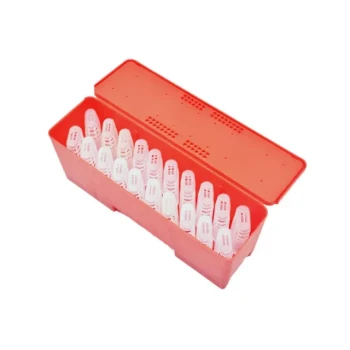
- Plastic Transporting Bee Packages and Nuc Boxes for Beekeeping
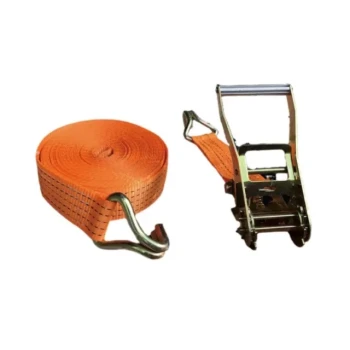
- Heavy Duty Ratchet Hive Strap
- Durable Plastic Interlocking Hive Connector for Beekeeping
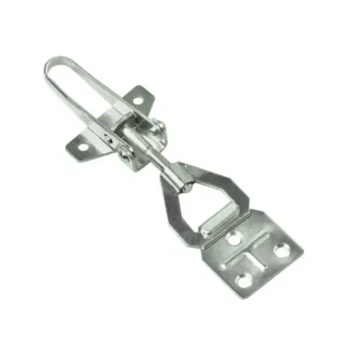
- Heavy Duty Adjustable Hive Connector
- High-Efficiency Pneumatic Bee Hive Making Machine for Rapid Box Assembly
People Also Ask
- What role do bee package boxes play in the commercial transport and expansion of honeybee colonies? - Logistic Essentials
- What are beekeeping boxes called? A Guide to Hive Bodies and Box Types
- How do standardized bee packages serve as a recovery mechanism for commercial beekeeping? Ensure Business Continuity
- What is the commercial value of using standardized bee packages? Drive Scalability in Large-Scale Apiaries
- Why is the timely introduction of high-quality bee packages critical? Save Your Apiary from Asian Hornet Invasions