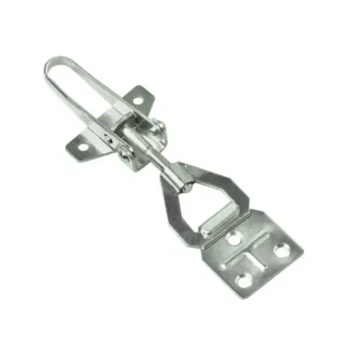
High-performance fixing and transport equipment act as the primary life-support system for colonies during migratory operations. They are essential because they simultaneously secure the hive structure against physical impact and maintain critical ventilation to prevent overheating, directly averting large-scale bee mortality during long-distance relocation over complex terrains.
The success of migratory beekeeping is not measured merely by moving hives, but by the condition of the colony upon arrival. Specialized equipment is the only safeguard against the dual threats of mechanical vibration and thermal stress, ensuring bees retain the vitality required for immediate production.
Ensuring Biological Continuity During Transit
Mitigating Physical Trauma
Migratory beekeeping involves navigating complex terrains, often moving between plains and mountainous regions. Without high-reliability fastening equipment, hives are susceptible to tipping, shifting, or structural collapse.
Reinforcement hardware locks hive bodies and frames in place, preventing the crushing of bees between shifting components. This stability minimizes agitation and prevents physical damage to the colony infrastructure.
Managing Thermal Stress
The most immediate risk to a colony during transport is not distance, but overheating. Crowded colonies generate significant metabolic heat, which can become lethal in a confined, moving vehicle.
High-performance transport equipment is designed with superior ventilation systems integrated into the structure. This airflow is critical for dissipating heat, preventing the "meltdown" of wax combs and the suffocation of the brood.
Maximizing Operational Efficiency
Rapid Recovery of Foraging Vitality
The goal of relocation is to maximize resource utilization, but a stressed colony cannot forage effectively. Equipment that minimizes vibration and shock ensures that bees arrive in a calm state rather than an agitated one.
By reducing transit stress, colonies can recover their foraging vitality almost immediately. This allows beekeepers to capitalize on seasonal blooms the moment the hives are unloaded.
Extending the Production Window
Professional transport systems enable the rapid movement of colonies to follow flowering phenology, such as moving to Rosemary or Eucalyptus blooms. This mobility extends the nectar collection period beyond what is possible in a static apiary.
It also allows beekeepers to proactively move colonies away from areas experiencing localized drought or food scarcity. This flexibility ensures consistent annual honey yields and maintains colony health during resource-poor seasons.
Understanding the Risks and Trade-offs
The Cost of Specialization
While standard equipment is cheaper, it often lacks the structural rigidity required for frequent loading and unloading. Using non-specialized gear increases the risk of equipment failure during transit, which can lead to catastrophic loss of livestock.
Complexity vs. Speed
High-performance fixing mechanisms add a layer of complexity to the logistics process. Beekeepers must balance the time required to properly secure specialized locking mechanisms against the need for rapid deployment, though the safety benefits invariably outweigh the time costs.
Making the Right Choice for Your Goal
Selecting the right equipment depends on the specific demands of your migratory route and production targets.
- If your primary focus is Honey Production: Prioritize equipment with superior vibration damping to ensure bees remain calm and can begin foraging immediately upon arrival at nectar sources.
- If your primary focus is Crop Pollination: Focus on heavy-duty locking mechanisms that prevent frame shifting, ensuring high colony density remains intact for maximum pollination efficiency.
- If your primary focus is Long-Distance Travel: Invest in equipment with advanced ventilation capabilities to manage metabolic heat over extended periods on the road.
Investing in high-performance transport gear is not an operational luxury; it is the fundamental insurance policy for the survival and productivity of your livestock.
Summary Table:
| Feature | Benefit for Migratory Beekeeping | Operational Impact |
|---|---|---|
| Reinforced Fastening | Prevents hive shifting and crushing bees | Minimizes colony trauma and loss |
| Advanced Ventilation | Dissipates metabolic heat during transit | Prevents hive overheating and wax meltdown |
| Vibration Damping | Reduces physical stress and agitation | Enables immediate foraging upon arrival |
| Heavy-duty Locking | Ensures structural integrity on rough terrain | Increases equipment lifespan and safety |
Maximize Your Colony’s Potential with HONESTBEE
For commercial apiaries and distributors, the safety of your livestock is your most valuable asset. HONESTBEE provides the industry's most reliable high-performance beekeeping tools, machinery, and essential consumables designed for the rigors of migratory operations. From specialized hive-making and honey-filling machines to heavy-duty transport hardware, our comprehensive wholesale offering ensures your colonies arrive healthy and ready for production.
Ready to upgrade your fleet and protect your yields? Contact us today to discuss your wholesale equipment needs!
References
- Nagma Parveen, Bisht Satpal Singh. Socio-Economic Analysis of Traditional and Modern Beekeeping in Western Himalayan Region Uttarakhand, India. DOI: 10.33745/ijzi.2021.v07i02.055
This article is also based on technical information from HonestBee Knowledge Base .
Related Products
- Plastic Transporting Bee Packages and Nuc Boxes for Beekeeping
- Durable Galvanized Steel Frame Grip
- Stainless Steel J Hook Hive Tool for Beekeeping
- Metal Bee Hive Stand Bee Box Stand for Beekeeping
- Multi-Function Plier-Style Frame Grip Hive Tool
People Also Ask
- What role do bee package boxes play in the commercial transport and expansion of honeybee colonies? - Logistic Essentials
- What are beekeeping boxes called? A Guide to Hive Bodies and Box Types
- How do standardized bee packages serve as a recovery mechanism for commercial beekeeping? Ensure Business Continuity
- What is the commercial value of using standardized bee packages? Drive Scalability in Large-Scale Apiaries
- Why is the timely introduction of high-quality bee packages critical? Save Your Apiary from Asian Hornet Invasions