High-quality replacement queens serve as the primary biological engine for colony resilience, directly influencing the difference between hive collapse and survival. They are critical "consumables" because a colony's longevity relies entirely on the queen's ability to maintain high egg-laying capacity and introduce superior, disease-resistant genetics to the population.
When queen quality degrades, mortality rates spike due to broken brood cycles and weakened defenses. Replacing a failing queen is the most direct intervention available to stabilize a declining colony and secure its survival through critical overwintering periods.
The Mechanics of Reproductive Vitality
Ensuring Brood Cycle Continuity
The queen is the sole source of new life in the hive. A high-quality replacement ensures the continuity of the brood cycle, which is the heartbeat of the colony. Without a consistent influx of new larvae, the workforce cannot be replenished, leading to rapid population collapse.
Stabilizing Declining Populations
In scenarios where a colony is visibly declining, the root cause is often poor queen performance. Introducing a new queen with high vitality acts as an immediate biological stabilizer. This intervention arrests the decline by restoring the birth rate to levels that exceed the natural death rate of worker bees.
Genetic Health and Resilience
Introducing Disease Resistance
Survivability is not just about numbers; it is about genetic robustness. High-quality queens are selected for disease-resistant genetics. By introducing these genetics into the hive, you upgrade the biological defenses of the entire future workforce against pathogens.
Reducing Biological Vulnerability
A colony led by a queen with poor genetics is inherently vulnerable. Replacing her removes this weakness. This proactive exchange transforms the colony from a fragile ecosystem into a robust unit capable of withstanding environmental stress.
The Overwintering Factor
Surviving the Critical Period
The primary reference highlights that high-quality queens significantly improve survival rates during overwintering. This is the most dangerous time for honeybees, where mortality is highest.
Building the Winter Cluster
To survive winter, a hive needs a critical mass of healthy bees to generate heat. A queen with high egg-laying capacity ensures the colony enters the cold season with a population large enough and healthy enough to sustain the hive until spring.
Understanding the Trade-offs
Assessing Queen Quality
Not all replacement queens are equal. Relying on "replacement" as a strategy requires the advisor or beekeeper to strictly vet the source of the queen. Introducing a queen with poor genetics or low egg-laying potential will fail to solve the underlying mortality issue.
The Cost of Intervention
Viewing queens as "consumables" implies a recurring cost and management effort. While this approach reduces mortality, it requires a shift in perspective from viewing the queen as a permanent fixture to viewing her as a vital, replaceable component of the hive's biological machinery.
Optimizing Colony Management Strategy
To leverage replacement queens effectively, align your actions with your specific management goals:
- If your primary focus is Colony Stabilization: Immediately introduce a high-quality queen to any hive showing signs of population decline or broken brood cycles.
- If your primary focus is Overwintering Success: Proactively requeen colonies before the cold season to ensure maximum egg-laying capacity and genetic resistance during the dormant months.
By treating high-quality queens as essential biological consumables, you shift from reactive troubleshooting to a proactive system of genetic and reproductive assurance.
Summary Table:
| Key Factor | Impact on Colony Survival | Primary Benefit |
|---|---|---|
| Brood Cycle Continuity | Prevents population collapse | Ensures constant worker replenishment |
| Genetic Resilience | Enhances disease resistance | Upgrades biological defenses against pathogens |
| Overwintering Prep | Improves winter cluster size | Increases survival rates during cold seasons |
| Reproductive Vitality | Stabilizes declining hives | Restores birth rates to exceed death rates |
Maximize Your Colony Success with HONESTBEE
At HONESTBEE, we understand that high-quality biological assets and professional tools are the foundation of a thriving apiary. Whether you are a commercial apiary looking to stabilize hive populations or a distributor seeking a reliable wholesale partner, we offer the comprehensive solutions you need.
Our expertise extends beyond biological consumables to a full spectrum of beekeeping machinery, hive-making equipment, and honey-filling systems, along with essential industry consumables and honey-themed merchandise. Let us help you transform your beekeeping operation into a robust, high-yield enterprise with our specialized hardware and industry-leading supplies.
Ready to upgrade your inventory? Contact us today to explore our wholesale offerings and secure the future of your hives.
References
- Dennis vanEngelsdorp, Jeffery S. Pettis. A Survey of Honey Bee Colony Losses in the U.S., Fall 2007 to Spring 2008. DOI: 10.1371/journal.pone.0004071
This article is also based on technical information from HonestBee Knowledge Base .
Related Products
- Professional Plastic Queen Excluder for Modern Beekeeping
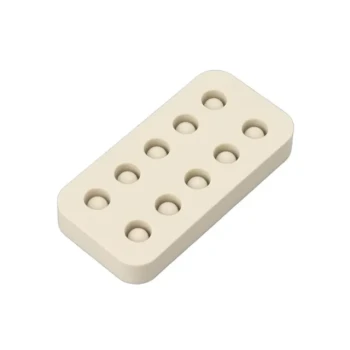
- 10-Cell Silicone Beeswax Bee Queen Cups Forming Mold
- JZBZ Type Wide Base Plastic Queen Cell Cups for Base Mounting and Queen Rearing
- Heavy Duty Stainless Steel Queen Bee Catcher Clip
- Durable Galvanized Steel Spring Queen Bee Cage
People Also Ask
- What types of queen excluders are available for beekeepers? Choose the Right Tool for Your Hive
- Why are standardized hive frames and queen excluders essential for maintaining honey purity and quality? Scale Your Purity
- What is the function of the queen excluder in the brood break induction process? Optimize Your Varroa Mite Control
- What is a queen excluder and what is its primary function? Master Hive Management for Pure Honey Production
- What is the function of a queen excluder in honey production? Essential Tools for High-Purity Honey Harvesting