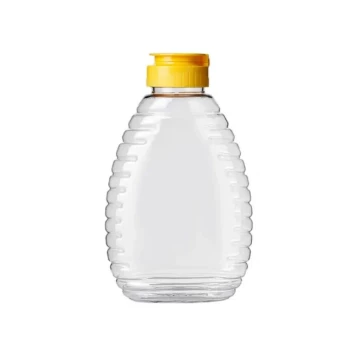
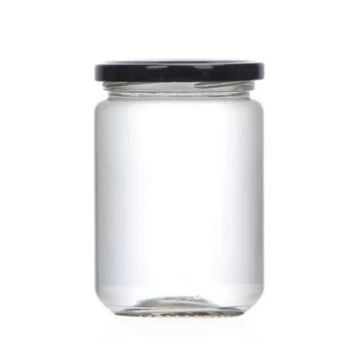
The integrity of honey during long-term storage and global distribution depends entirely on its isolation from the environment. High-seal and chemically inert containers are required because honey is both highly hygroscopic (moisture-absorbing) and naturally acidic. These specialized containers prevent microbial fermentation and chemical contamination, ensuring the product maintains its premium quality and meets strict international trade standards.
High-performance packaging acts as a definitive barrier against atmospheric moisture and chemical migration, preserving the biochemical stability and market value of honey throughout the entire supply chain.
Protecting Product Stability through Moisture Control
The Risks of Hygroscopic Absorption
Honey is naturally hygroscopic, meaning it actively attracts and holds water molecules from the surrounding air. Without a high-seal barrier, honey will absorb atmospheric moisture, leading to an increase in volume and a decrease in viscosity.
Preventing Spoilage and Fermentation
Maintaining a moisture content below 20% is critical to preventing the proliferation of osmophilic yeasts. High-sealing containers block moisture ingress, which otherwise triggers fermentation, spoilage, and the loss of the honey’s natural preservative properties.
Maintaining Osmotic Pressure
A sealed environment preserves the high osmotic pressure of honey, which is its primary defense against microbial growth. This isolation is essential for wholesalers who manage long-duration shipments across varying humidity zones.
Maintaining Chemical Purity and Flavor Profiles
Neutralizing the Impact of Natural Acidity
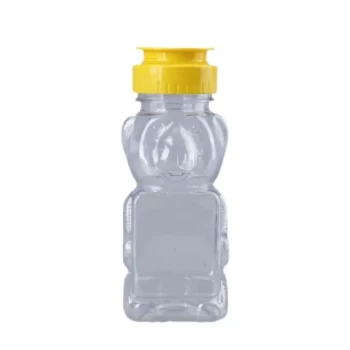
Honey possesses a low pH, making it naturally acidic and potentially corrosive to non-specialized materials. Chemically inert containers, such as high-density polyethylene (HDPE) or food-grade coated metals, prevent the honey from reacting with the container walls.
Preventing Chemical Migration
Using non-professional containers can lead to the migration of heavy metals or industrial pollutants into the honey. Inert materials ensure that no harmful substances or off-flavors leach into the product, preserving its original composition and purity.
Preserving Antioxidants and Volatiles
High-quality packaging protects fragile biochemical components, including polyphenols and flavonoids. By isolating the honey from air and light, these containers ensure that the antioxidant activity and volatile flavor compounds remain intact for the end consumer.
Strategic Advantages for Distributors and Resellers
Meeting International Regulatory Standards
For B2B resellers, professional-grade packaging is a compliance guarantee for entering strict markets like the European Union. Ensuring that physicochemical indicators remain stable is vital for passing laboratory audits and market access requirements.
Enhancing Supply Chain Reliability
Specialized containers with reinforced sealing lids allow for ultra-fast delivery and efficient order fulfillment without the risk of leaks or contamination. This technical reliability builds deep trust between distributors and their global partners.
Ensuring Analytical Accuracy
For wholesalers conducting quality testing, high-seal containers ensure the reliability of analytical data. By preventing moisture exchange, these containers ensure that subsequent physicochemical characterization accurately reflects the honey's true grade and origin.
Understanding the Trade-offs and Pitfalls
Material Selection: Glass vs. Plastic
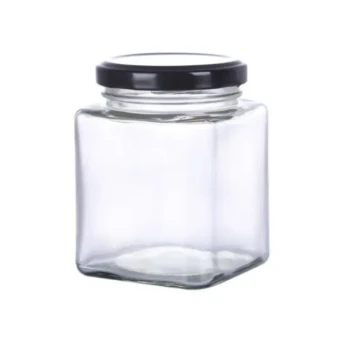
While glass is highly inert and provides an excellent moisture barrier, its weight and fragility can increase logistical costs and risks. HDPE is often the preferred industry standard for bulk distribution, balancing chemical inertness with durability and shipping efficiency.
The Danger of Non-Food Grade Materials
Attempting to reduce overhead by using non-specialized or industrial-grade plastics is a high-risk strategy. These materials can introduce chemical residues and odors, which not only compromise food safety but can lead to total shipment rejection and brand damage.
Selecting the Optimal Packaging for Your Supply Chain
Choosing the right storage solution is a strategic decision that impacts both product longevity and your bottom line.
- If your primary focus is international trade compliance: Invest in certified food-grade, high-seal containers that meet EU standards to ensure seamless customs clearance and regulatory approval.
- If your primary focus is long-term storage and flavor retention: Prioritize containers with superior chemical inertness, such as HDPE or coated glass, to maintain the honey's antioxidant profile and delicate aroma.
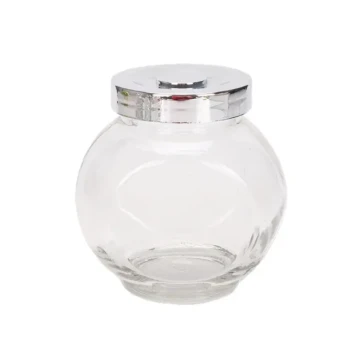
- If your primary focus is logistical speed and durability: Utilize specialized cylindrical or spherical containers with reinforced seals to prevent leaks and volume expansion during rapid, high-volume transit.
By integrating professional, inert packaging into your distribution strategy, you protect both the biological value of the honey and your reputation as a high-tier technical expert in the industry.
Summary Table:
| Feature | Technical Requirement | Strategic Benefit for Distributors |
|---|---|---|
| Moisture Barrier | High-performance airtight seals | Prevents fermentation and maintains viscosity (<20% water). |
| Chemical Inertness | Acid-resistant materials (e.g., HDPE) | Stops chemical leaching and protects delicate flavor profiles. |
| Regulatory Grade | Certified food-grade compliance | Ensures seamless customs clearance and laboratory audit success. |
| Durability | Reinforced industrial design | Minimizes leak risks during high-speed, global distribution. |
Optimize Your Supply Chain with HONESTBEE
For commercial apiaries, distributors, and B2B resellers, packaging is more than a container—it is a guarantee of profit and reputation. HONESTBEE provides a comprehensive, one-stop sourcing solution for the entire beekeeping industry. From specialized honey-filling machinery and hive-making equipment to high-performance industry consumables, we deliver the full spectrum of tools you need to scale.
Why partner with HONESTBEE?
- Premium Trading Services: Dedicated expertise in global trade compliance.
- Efficiency: Ultra-fast delivery and rapid response times to keep your inventory moving.
- Reliability: High-tier products designed for the rigors of professional distribution.
Protect your product integrity and maximize your margins. Contact our expert team today to explore our wholesale offerings and customized OEM/ODM support!
References
- Sabra Ambreen, Zahid Mehmood, Khalid Mehmood, Sabeena Rizwan, Farida Behlil, Uzma Jabeen, Ayesha Mushtaq, Farrukh Bashir. Overview on physical properties and biochemical composition of honey. DOI: 10.12692/ijb/18.4.8-21
This article is also based on technical information from HonestBee Knowledge Base .
Related Products
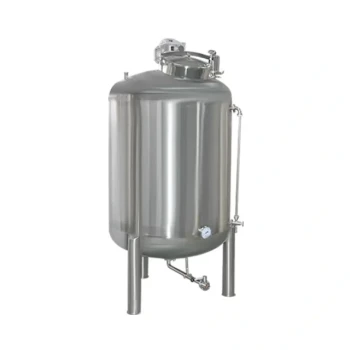
- Stainless Steel Honey Storage Tank with Lid for Honey
- Stainless Steel Honey Storage and Settling Tank with Double Strainer
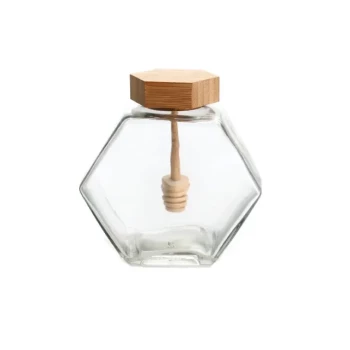
- Hexagonal Glass Honey Jar with Wooden Lid Integrated Dipper Elegant Functional Storage
- Professional Honey Storage Tank with Agitation System
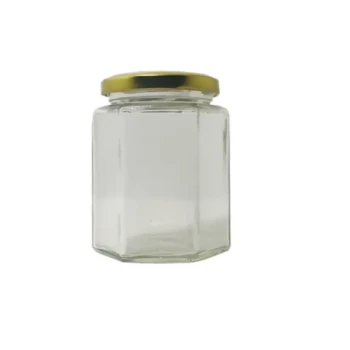
- Hexagonal Glass Honey Jars with Metal Lug Caps Elegant Versatile Packaging
People Also Ask
- What economic role do honey storage tanks play? Boost Your Revenue Through Strategic Inventory Management
- What roles do industrial honey storage tanks and filtration meshes play in processing? Ensure Purity & Consistency
- What is the purpose of a honey storage tank? Streamline Your Honey Processing for Quality & Efficiency
- What are honey storage tanks used for? Essential Features for Quality Preservation and Profit
- How do large honey storage tanks and gravity fall filling systems improve honey packaging efficiency and safety?