High-sealing food-grade containers are the fundamental defense against honey spoilage and data corruption. By effectively isolating the sample from air, moisture, and external impurities, these containers prevent the absorption of atmospheric water that leads to fermentation. Crucially, they maintain the biochemical stability of fragile components like polyphenols and flavonoids, ensuring that any subsequent laboratory analysis reflects the true quality of the honey rather than sample degradation.
The integrity of a honey sample is determined by its isolation from the environment. Without a hermetic seal and chemically inert materials, hygroscopic action and oxidation will rapidly alter the honey's biochemistry, rendering quality monitoring data unreliable and risking fermentation.
The Science of Moisture Control and Stability
Combating Hygroscopy
Honey is highly hygroscopic, meaning it naturally attracts and absorbs moisture from the surrounding air. If a container does not possess a superior seal, the honey will pull in atmospheric humidity.
Preventing Fermentation
As honey absorbs moisture, it becomes diluted. This increase in water content creates an environment where natural yeasts can thrive, leading to fermentation. A high-sealing container is the only way to lock out moisture and stabilize the product.
Preserving Fragile Antioxidants
Honey contains complex, biologically active compounds such as polyphenols and flavonoids. These antioxidants are sensitive to oxidation and environmental changes. An airtight seal effectively pauses biochemical degradation, preserving these components for accurate nutritional analysis.
Chemical Inertness and Purity
The Necessity of Food-Grade Materials
Honey is slightly acidic. This acidity can cause it to react with improper packaging materials, leading to the migration of chemical substances or metal ions into the sample. Food-grade plastic, glass, or stainless steel are chemically inert, preventing this leaching and preserving the honey's flavor and color.
Ensuring Sterility for Analysis
For pollen analysis and the monitoring of factors like Hydroxymethylfurfural (HMF) and diastase activity, the sample must remain uncontaminated. Industrial-grade sterile jars prevent the introduction of exogenous microorganisms that would bias testing data.
Blocking External Contaminants
Beyond moisture, honey readily absorbs external odors. High-quality sealing prevents the intrusion of environmental smells and physical impurities, which is a strict requirement for meeting traceability requirements and export quality standards.
Common Pitfalls and Material Considerations
The Risks of Traditional Methods
Traditional storage methods, such as animal skin bags or untreated clay pots, are fundamentally flawed for professional sampling. They are difficult to sanitize, prone to microbial buildup, and often allow for significant odor absorption, compromising the sample before it reaches the lab.
Glass vs. Plastic Trade-offs
High-transparency glass is excellent for laboratory settings because it is chemically inert and allows for visual inspection of crystallization or layering without opening the jar. However, for long-distance transport, high-density food-grade plastics or stainless steel are often preferred to eliminate the risk of breakage while maintaining a moisture-proof barrier.
Making the Right Choice for Your Goal
Selecting the correct container depends on whether you are prioritizing transport durability or laboratory precision.
- If your primary focus is Laboratory Analysis: Prioritize high-transparency glass wide-mouth jars to ensure chemical inertness and allow visual inspection of crystallization without breaking the seal.
- If your primary focus is Transport and Storage: Choose high-density food-grade synthetic or stainless steel containers to ensure durability and prevent oxidation during long-distance movement from the apiary.
Reliable quality control begins with the container; if the seal fails, the data fails.
Summary Table:
| Feature | Importance for Honey Sampling | Recommended Material |
|---|---|---|
| High-Sealing | Prevents hygroscopy and fermentation | Hermetic screw-caps / Gaskets |
| Chemical Inertness | Prevents leaching into acidic honey | Glass or Food-grade plastic |
| Sterility | Ensures accurate HMF and pollen analysis | Certified sterile laboratory jars |
| Durability | Protects samples during long-distance transport | Stainless steel or High-density PE |
Elevate Your Honey Quality Standards with HONESTBEE
Maintaining the integrity of your honey samples is the first step toward premium market positioning. HONESTBEE provides commercial apiaries and distributors with professional-grade solutions designed for the rigorous demands of the honey industry. From high-precision honey-filling machines to durable, food-grade storage and transport equipment, our comprehensive wholesale offering ensures your products meet global export standards.
Whether you are scaling your extraction line or sourcing essential consumables, our expertise in beekeeping hardware and machinery helps you eliminate sample degradation and maximize yield.
Ready to upgrade your apiary’s efficiency and quality control?
References
- İlginç Kızılpınar Temizer, Aytaç Güder. Assessment of Palynological Characterization and Total Phenol-Flavonoid Content of Some Honeys from Ordu in Turkey. DOI: 10.18185/erzifbed.476345
This article is also based on technical information from HonestBee Knowledge Base .
Related Products
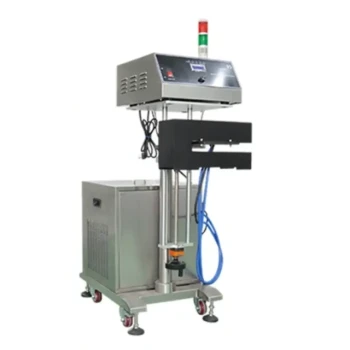
- Professional Water Cooled Induction Sealing Machine for Bottles and Containers
- Food Grade Plastic Honey Bucket Pail for Beekeeping
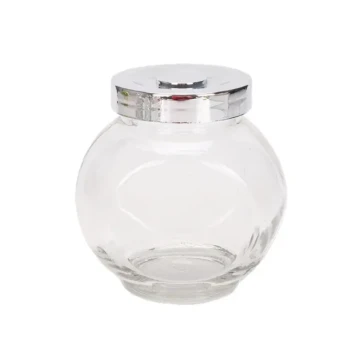
- Classic Drum Shaped Glass Honey Jar with Airtight Lid
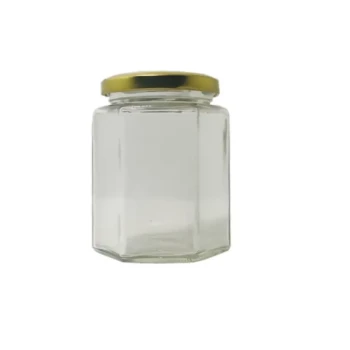
- Hexagonal Glass Honey Jars with Metal Lug Caps Elegant Versatile Packaging
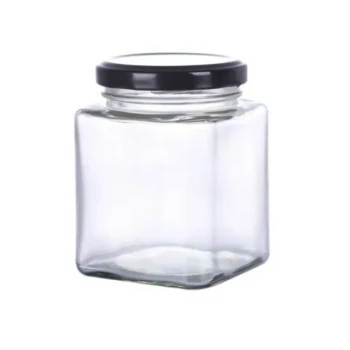
- Modern Square Glass Honey Jar with Twist Off Lid
People Also Ask
- How does tamper-evident sealing equipment benefit the honey trade? Ensure Product Integrity and Market Trust
- What is the function of an induction sealing machine in packaging? Secure Your Brand with Tamper-Evident Seals
- How does an induction sealing machine work? Enhance Honey Packaging with Hermetic Seals & Tamper Evidence
- What is an induction sealing machine and how does it work? Achieve Airtight, Tamper-Evident Seals
- How does the induction sealing process work? Create Tamper-Evident, Airtight Seals for Your Products