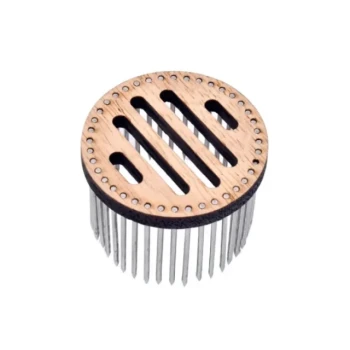
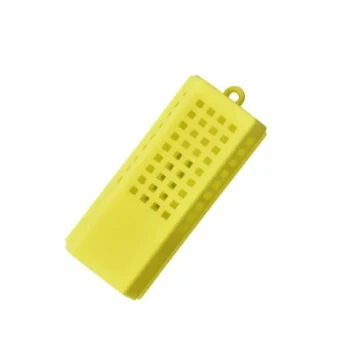
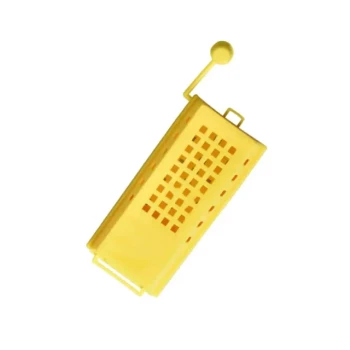
The primary function of an isolation cage equipped with metal mesh is to create a secure physical barrier around a frame of capped brood within the hive. By enclosing the frame before the bees hatch, this tool prevents newly emerged workers from dispersing into the colony, ensuring every bee collected is a young, non-flying individual within a strict 24-hour age window.
The metal mesh barrier is the only reliable method to eliminate age-related variables in honeybee sampling. It physically segregates emerging bees to guarantee a physiological blank slate, which is critical for accurate data on development and toxicology.
The Critical Role of Physical Isolation
Securing the Emergence Window
The lifecycle of a honeybee involves significant physiological changes immediately after emergence. To capture a sample at a standardized biological starting point, researchers must collect bees that have emerged within the last 24 hours.
The metal mesh cage facilitates this by trapping the bees on their birth frame. Without this barrier, "new" bees would immediately mix with older nurses and foragers, making visual identification and age verification impossible.
Preventing Colony Integration
Once a worker bee leaves the brood frame, it begins to interact with the colony's social and nutritional systems. These interactions trigger rapid changes in the bee's internal biology.
The isolation cage prevents these interactions. It ensures the sample consists of non-flying bees that have not yet engaged in hive duties, preserving their biological neutrality for experimentation.
Why Age Precision Determines Data Quality
Standardizing Physiological Markers
In scientific assessments, particularly those regarding fat body development, even minor age differences can skew results. The physiology of a 1-day-old bee differs significantly from that of a 3-day-old bee.
By using an isolation cage, you eliminate these age-related physiological discrepancies. This ensures that any variations observed in your data are due to your experimental variables (such as toxin exposure), not the natural aging process of the bee.
Complementing Egg Synchronization
While isolation cages manage emergence, they are often the second step in a rigorous protocol. They follow the use of queen excluder cages, which restrict the queen to ensure eggs are laid synchronously.
The isolation cage protects this investment in timing. It ensures that the effort taken to synchronize egg-laying results in a synchronized collection of adults, completing the chain of custody regarding the bee's chronological age.
Understanding the Trade-offs
The Labor of Precision
Using isolation cages introduces logistical rigidity to apiary management. To maintain the 24-hour window, frames must be checked and samples collected daily without fail.
Missing a collection window by even a few hours compromises the definition of "newly emerged." This requires strict scheduling compared to random sampling methods.
Equipment Integrity Risks
The reliability of this method depends entirely on the physical state of the mesh. Any gap or tear in the metal mesh compromises the closed system, allowing older bees to enter or young bees to escape.
If the barrier is breached, the sample is contaminated with mixed-age bees. This introduces experimental bias that cannot be corrected post-collection, rendering the specific dataset invalid.
Making the Right Choice for Your Goal
To ensure your honeybee samples yield valid, reproducible data, choose your tools based on the specific biological markers you intend to study.
- If your primary focus is physiological baselines (e.g., fat bodies): Use isolation cages to strictly limit samples to non-flying bees <24 hours old to avoid developmental noise.
- If your primary focus is toxicological testing: Combine isolation cages with sealed transfer containers to maintain biological stability and prevent stress before testing begins.
- If your primary focus is viral extraction: Ensure your synchronized samples are processed in dedicated extraction bags to prevent cross-contamination between colony groups.
Precision in isolation is the single most effective way to protect the integrity of your biological data.
Summary Table:
| Feature | Purpose | Impact on Data Quality |
|---|---|---|
| Physical Barrier | Encloses frame of capped brood | Prevents newly emerged bees from mixing with older colony members. |
| Metal Mesh Design | Creates a secure closed system | Ensures zero contamination from outside bees or environmental variables. |
| Age Restriction | Captures bees within <24h window | Standardizes physiological markers like fat body development. |
| Synchronization | Works with queen excluder cages | Guarantees biological neutrality and eliminates age-related discrepancies. |
Elevate Your Apiary Research with HONESTBEE Precision Equipment
At HONESTBEE, we understand that scientific accuracy begins with the right tools. We cater to commercial apiaries and global distributors by providing a comprehensive wholesale range of professional-grade beekeeping equipment. From high-integrity isolation cages and queen excluders to advanced honey-filling machines and specialized hardware, our portfolio is designed to support both large-scale production and rigorous biological research.
Partner with HONESTBEE today to secure high-quality consumables and machinery that drive results.
Contact Our Wholesale Experts Today
References
- S. Lazarov, Zlatko Puškadija. Impact of Different Sugar Syrups on the Development of the Fat Body in Worker Bees (Apis mellifera macedonica). DOI: 10.3390/agriculture15010083
This article is also based on technical information from HonestBee Knowledge Base .
Related Products
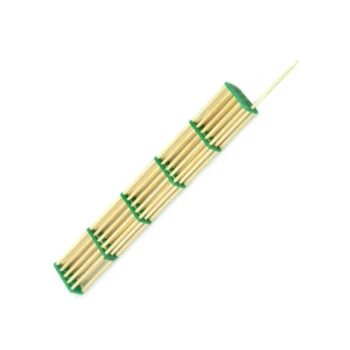
- Professional Bamboo Queen Isolation Cage
- Wood and Mesh Push-In Queen Cage
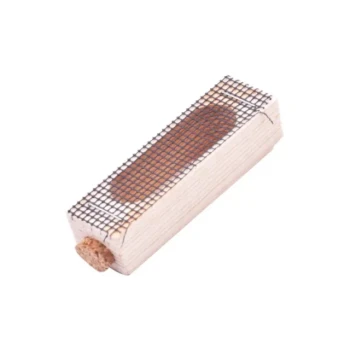
- Classic Wooden and Mesh California Queen Cage
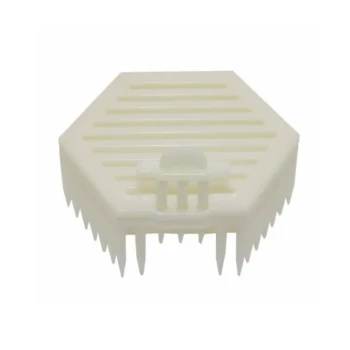
- Hexagonal Direct Comb Introduction Queen Bee Cage
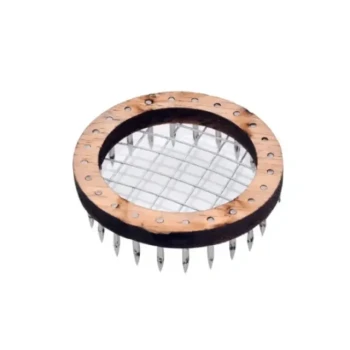
- Premium Wood and Steel Push In Queen Cage
People Also Ask
- Why are specialized queen bee cages used for the banking of mated queen bees? Maximize Commercial Apiary Storage Efficiency
- What is the mechanism of action for using temporary queen bee cages? Master Successful Queen Introduction
- How does the side ventilation design of a queen bee cage impact the safety of the queen during long-distance transport?
- What should you do if the queen is still in the cage and the worker bees have not accepted her? Protect Your Colony from Queen Rejection
- What technical precaution must be taken regarding the mesh or grill side of a queen bee cage? Ensure Queen Survival