Multi-stage filtration is the decisive refining step that transforms raw extraction into a commercially viable product. It is necessary to physically remove beeswax microparticles, bee fragments, and other organic impurities that remain after the initial centrifugation process. By clearing these contaminants, the system ensures the honey achieves the clarity and sensory quality required for bottling.
Multi-stage filtration bridges the gap between raw harvest and shelf-ready product. It guarantees compliance with strict food hygiene standards while stabilizing the honey's color and consistency for long-term storage.
The Physiology of Filtration
Eliminating Macroscopic Debris
Raw honey extraction, specifically using high-speed centrifuges, effectively separates liquid honey from the comb.
However, this mechanical force inevitably dislodges physical contaminants. Filtration acts as the primary barrier to catch bee fragments and larger wax debris that would otherwise compromise the product.
Capturing Microscopic Impurities
Beyond visible debris, raw honey contains beeswax microparticles and suspended organic matter.
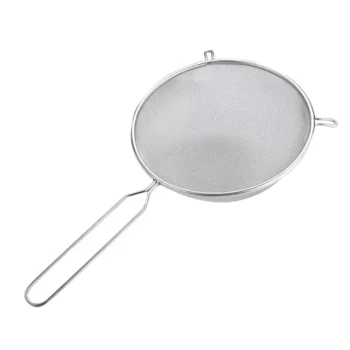
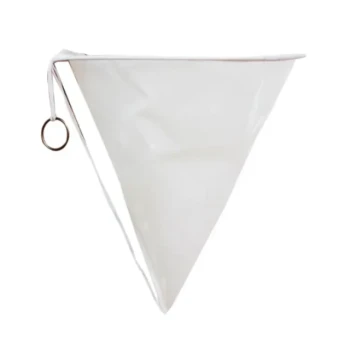
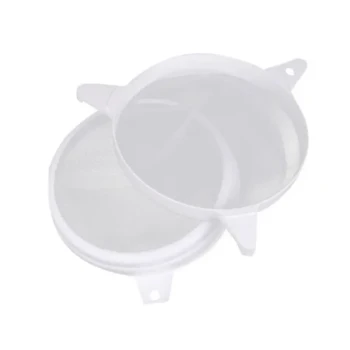
A single-stage filter often misses these finer elements. Multi-stage systems use progressively finer stainless steel meshes to trap these microparticles without stalling the flow of the honey.
Commercial and Quality Implications
Improving Sensory Quality
Consumer perception of honey is heavily influenced by visual clarity and texture.
The primary reference notes that removing impurities significantly improves the sensory quality of the final product. This results in a smoother mouthfeel and a visually clear liquid that appeals to retail customers.
Meeting Hygiene Standards
For commercial producers, purity is not just a preference; it is a regulatory requirement.
Filtration ensures the product complies with food hygiene standards by removing foreign organic matter. This creates a consistent baseline of safety required for market entry.
Extending Shelf Life
Impurities in honey can act as nucleation points, accelerating crystallization and potentially harboring spoilage risks.
By removing these particles and aiding in the removal of air bubbles during gravity settling, filtration helps maintain purity and color consistency. This directly contributes to a longer, more stable shelf life.
Understanding the Trade-offs
Balancing Flow Rate and Purity
While finer filtration yields clearer honey, it significantly increases flow resistance.
Operators must balance the mesh size against the viscosity of the honey. Using a filter that is too fine too early in the stage can cause bottlenecks and system pressure buildups.
Over-Filtration Risks
There is a distinction between cleaning honey and stripping it.
The goal is to remove wax and bee parts, not necessarily all pollen (depending on the target market). An aggressive filtration strategy must be monitored to ensure it removes contaminants without removing the honey's unique botanical character.
Making the Right Choice for Your Goal
- If your primary focus is Market Grade and Appearance: Prioritize a system with fine final-stage mesh to maximize clarity and remove all beeswax microparticles for a premium visual appeal.
- If your primary focus is Processing Efficiency: Focus on the initial coarse filtration stages to quickly remove bulk debris and bee fragments following centrifugation to prevent downstream clogging.
- If your primary focus is Shelf Stability: Ensure your filtration is integrated with gravity settling tanks to remove air bubbles and trace impurities that shorten shelf life.
Effective filtration turns a raw agricultural yield into a consistent, safe, and high-value consumer product.
Summary Table:
| Filtration Stage | Primary Target | Key Benefit |
|---|---|---|
| Coarse Stage | Bee fragments & large wax debris | Prevents downstream clogging & bulk debris removal |
| Medium Stage | Fine wax particles & organic matter | Improves honey texture and sensory quality |
| Fine Stage | Micro-impurities & air bubbles | Ensures visual clarity and delays crystallization |
| Overall System | Regulatory compliance | Meets food safety standards for commercial sale |
Elevate Your Honey Production with HONESTBEE
Transform your raw harvest into a premium, shelf-ready product with HONESTBEE. As a dedicated partner to commercial apiaries and distributors, we provide the industry's most reliable multi-stage filtration systems and honey-processing machinery.
Why choose HONESTBEE?
- Comprehensive Wholesale Range: From specialized hive-making and honey-filling machines to a full spectrum of beekeeping tools.
- Industry-Leading Standards: Our equipment is designed to ensure your honey meets the highest food hygiene and sensory quality standards.
- End-to-End Solutions: We supply everything from heavy machinery to essential consumables and honey-themed cultural merchandise.
Ready to optimize your yield and enhance your market value? Contact us today to explore our wholesale solutions!
References
- Arianna Pignagnoli, Aldo Dal Prà. Carbon Footprint of Honey in Different Beekeeping Systems. DOI: 10.3390/su131911063
This article is also based on technical information from HonestBee Knowledge Base .
Related Products
- Electric Double Wall Honey Filtering Machine Purifier Equipment for Honey Processing Plant
- Professional Stainless Steel Honey Filtering Machine with Water Bath Heating for Beekeeping
- Professional Honey Filter with Tripod Support Stand
- Professional Stainless Steel Honey Filter with Support Handle
- 0.5T Capacity Honey Dehumidifier Dryer with Vacuum Heating and Thickening Filtering Machine
People Also Ask
- What types of equipment are used in honey filtering? Build an Efficient System for Pure, Marketable Honey
- What is the process of filtering honey? A Guide to Clean, Pure, and Market-Ready Honey
- What is the overall importance of using the right equipment in honey filtering? Boost Quality & Marketability
- How should honey filtering equipment be properly maintained? Extend Equipment Life & Protect Honey Purity
- What role do professional honey harvesting and filtering equipment play in meeting honey market quality standards? Boost ROI