Professional beekeeping protective clothing and hive tools serve as the essential hardware foundation for advanced apiary management, transforming a hazardous task into a controlled scientific process. By providing a physical barrier against stings and the mechanical leverage to manage propolis, this equipment allows the operator to shift their focus from self-preservation to the precise assessment of colony health.
The Core Insight High-quality inspections require patience and steadiness, both of which are impossible if the beekeeper is distracted by the fear of stings or struggling with stuck components. Professional gear minimizes operator stress and physical disturbance to the colony, enabling the calmness required for accurate pest detection and queen assessment.
The Critical Role of Protective Clothing
The primary function of protective clothing extends beyond simple injury prevention; it is a psychological enabler for the beekeeper.
Enabling Calm Operations
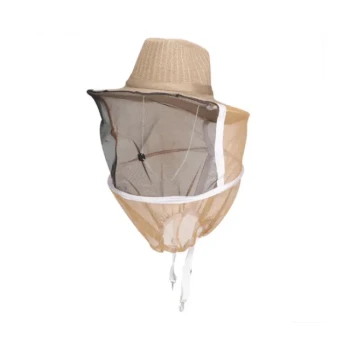
Protective clothing, including veils and suits, provides a physical barrier that significantly reduces the risk of stings. When the fear of stinging is removed, the beekeeper can perform hive operations calmly rather than rushing through the process.
Facilitating Frequent Maintenance
The full-body security provided by professional gear instills confidence in the operator. This confidence encourages more frequent hive maintenance, which is directly linked to better colony health and overall productivity.
Improving Diagnostic Accuracy
Because the beekeeper is not distracted by defensive bees, they can focus on timely detection of pests and diseases. This environment of safety allows for the focus required to assess the queen bee's condition and make accurate decisions regarding super management.
The Mechanical Necessity of Hive Tools
Honey bees naturally produce propolis and brace comb to seal cracks and secure hive boxes, creating a bond that is often too strong for manual manipulation.
Overcoming Propolized Seals
A specialized hive tool is strictly necessary to pry apart components that bees have cemented together. Without this mechanical advantage, separating boxes or frames becomes difficult and jerky, which agitates the colony.
Minimizing Colony Disturbance
Using a hive tool allows for the precise separation of frames without excessive vibration or crushing of bees. Minimizing physical disturbance and bee mortality is critical to keeping the colony calm during the inspection.
Ensuring Controlled Management
The hive tool serves as an extension of the beekeeper's hand, allowing for scraping and cleaning that would be impossible otherwise. This precise control is vital for maintaining the internal structure of the hive without damaging the comb or injuring the bees.
Understanding the Trade-offs: The Tactile Compromise
While protective gear is essential for safety, there is a nuance regarding the use of gloves that affects inspection quality.
The Loss of Tactile Sensitivity
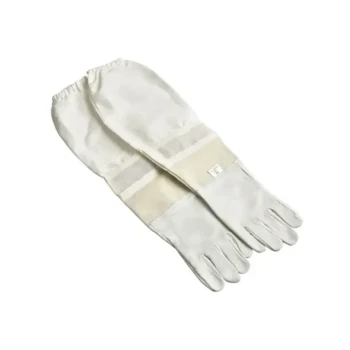
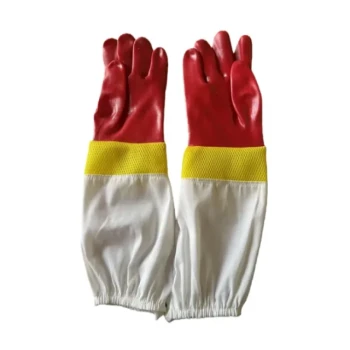
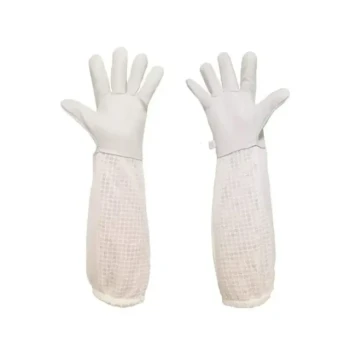
Heavy protective gloves provide maximum safety but sacrifice tactile feedback. Beekeepers wearing thick gloves may struggle to perceive internal temperature changes or subtle bee movements.
The Risk of Accidental Crushing
A lack of sensitivity can lead to the accidental crushing of bees, which releases alarm pheromones and triggers a defensive stinging response. Some professionals choose to forego gloves to maintain the ability to adjust their grip force and handle frames with greater delicacy.
The Organization Factor
Having tools is not enough; they must be accessible. Failing to use a consolidated carrier (like a bucket or tool bag) can lead to leaving a hive open while searching for a tool. This prolongs the inspection and increases stress on the colony.
Making the Right Choice for Your Inspection Goals
Selecting the right combination of protection and tools depends on your specific objective during the hive visit.
- If your primary focus is thorough disease inspection: Prioritize full protective suits and veils to ensure you have the patience to examine every frame without rushing due to defensive bee behavior.
- If your primary focus is minimizing colony agitation: Use a sharp, high-quality hive tool to separate frames gently, preventing the vibrations that trigger defensive swarming.
- If your primary focus is delicate queen manipulation: Consider using thin nitrile gloves or going gloveless to maximize tactile sensitivity and prevent accidental injury to the queen.
True mastery in beekeeping comes from using gear not just for protection, but as an instrument to ensure precision and calm in every interaction.
Summary Table:
| Equipment Type | Key Function | Impact on Inspection Quality |
|---|---|---|
| Full Protective Suits | Physical barrier & psychological safety | Enables calm, thorough diagnosis without rushing |
| Beekeeping Veils | Protects face and neck | Maintains visibility and focus on queen/pest detection |
| Specialized Hive Tools | Leverages propolized components | Minimizes hive vibration and prevents bee mortality |
| Gloves (Heavy vs. Thin) | Sting protection vs. Tactile sensitivity | Balancing safety with the need for delicate manipulation |
Elevate Your Apiary Operations with HONESTBEE
At HONESTBEE, we understand that for commercial apiaries and distributors, professional-grade equipment is the difference between a thriving colony and a failing one. We provide a comprehensive wholesale range of high-durability protective clothing, precision hive tools, and advanced machinery designed to withstand the rigors of industrial beekeeping.
From automated honey-filling machines to essential consumables and cultural merchandise, our portfolio empowers you to scale your business with confidence. Partner with us to secure the highest quality beekeeping hardware for your clients.
Contact HONESTBEE Today for Wholesale Pricing
References
- Godifey Guesh, Tesfay Yayneshet. Beekeeping management practices and gap analysis of beekeepers at different agro-ecological zones of Tigray region, Northern Ethiopia. DOI: 10.5897/jaerd2018.0978
This article is also based on technical information from HonestBee Knowledge Base .
Related Products
- Beekeeping Gloves Goatskin Leather with Long Cotton Sleeve for Beekeepers
- Multi-Function Plier-Style Frame Grip Hive Tool
- White Cotton Beekeeping Jacket and Veil for Bee Keepers
- Professional 600D Oxford Cloth Beekeeping Tool Bag with 8 Pockets and Elastic Loops
- Beekeeping Jacket with Hood and Veil for Beekeepers
People Also Ask
- What are the characteristics of the best gloves for beekeeping? Choose Protection & Dexterity
- What are the primary purposes of using beekeeping gloves? Protect Your Hands and Ensure Apiary Hygiene
- What types of gloves are available for beekeeping? Choose the Right Protection for Your Hive
- Why is it important for beekeepers to wear gloves? Essential Safety and Confidence for Hive Management
- Why do some experienced beekeepers opt not to wear gloves? Discover the Benefits of Tactile Precision