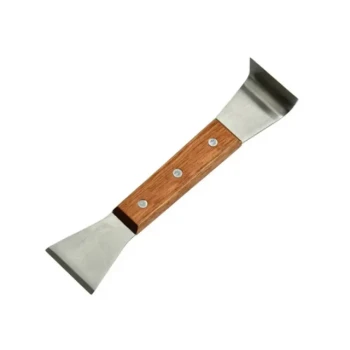
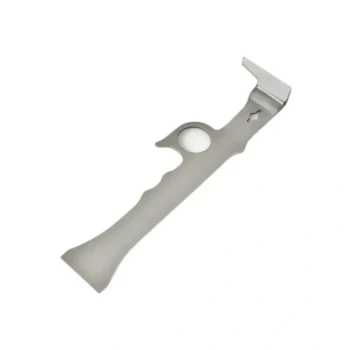
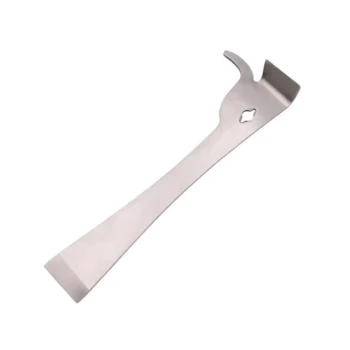
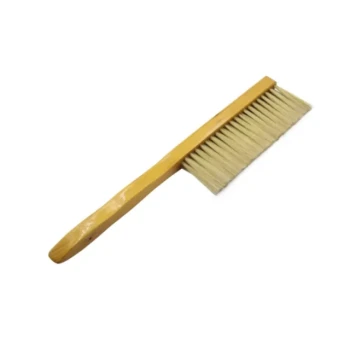
Professional material separation tools are strictly required because stingless bee nests possess a complex, interconnected architecture where viscous resin (propolis), honey, and pollen are physically intertwined. Without specialized equipment, harvesting propolis inevitably leads to cross-contamination with food stores, drastically reducing product quality and potentially damaging the colony’s internal structure.
Core Insight The value of stingless bee propolis lies in its purity and bioactive integrity. Separation tools are not merely for convenience; they are the only mechanism to isolate resin from food stores and impurities, ensuring the product meets the safety standards required for high-value commercial or pharmaceutical use.
The Challenge of Hive Architecture
Navigating Interconnected Stores
Unlike standard honeybees that segregate resources on combs, stingless bees often mix their storage pots. Propolis, honey, and pollen are frequently fused within the same physical structures. Manual harvesting without separation tools results in a "mash" rather than distinct products, rendering the propolis impure and the honey difficult to process.
Reducing Mechanical Damage
The internal structure of a stingless bee hive is delicate. Professional separation tools allow for the extraction of propolis without tearing apart the entire nest. This approach minimizes stress on the colony and preserves the hive's structural integrity for future cycles.
Achieving Commercial and Clinical Purity
Eliminating Biological Contaminants
Raw propolis is naturally sticky and traps environmental debris. Tools like high-purity filtration systems and insect nets are necessary to block external insects and remove physical pollutants. This lowers the risk of introducing animal-derived allergens or pathogenic microbes into the final extract.
Standardizing Bioactive Components
For propolis to be used in clinical medications, it must contain precise concentrations of compounds like flavonoids. Equipment such as supercritical extraction units allows processors to isolate these specific bioactive components. This level of separation turns raw hive scrapings into a standardized, safe pharmaceutical ingredient.
Operational Efficiency and Preservation
Automating the "Strip and Collect" Process
Specialized hardware, such as propolis grids, simulates natural gaps to induce bees to seal them with pure resin. This allows for the automatic accumulation of by-products. It significantly reduces the labor costs associated with manual scraping and sorting.
Preventing Oxidation and Degradation
Separation extends to the packaging phase. Automatic liquid filling machines minimize air contact during bottling, reducing oxidation. Furthermore, storing the separated product in amber glass bottles acts as a filter against UV light, preventing the photo-oxidation of light-sensitive phenolic compounds.
Understanding the Trade-offs
Equipment Cost vs. Revenue Diversification
Implementing professional separation systems (like supercritical extractors or automated fillers) requires significant upfront capital. However, this investment allows for diversified product output (e.g., tinctures, sprays, pure powder) which increases overall apiary revenue. Small-scale operations must weigh this initial cost against their potential market volume.
Complexity of Maintenance
High-precision tools, such as analytical balances and filtration systems, require strict calibration and maintenance. Misuse or lack of cleaning can lead to equipment failure or inconsistent measurements. Operators must possess a higher degree of technical skill compared to traditional manual harvesting methods.
Making the Right Choice for Your Goal
To determine the level of separation technology your operation needs, consider your end-market:
- If your primary focus is Pharmaceutical Grade Production: Prioritize high-purity separation equipment like supercritical extraction and precision filtration to ensure standardized flavonoid concentrations.
- If your primary focus is Raw Material Export: Focus on hive-level hardware like propolis grids and insect nets to maximize initial purity and minimize hive disturbance.
- If your primary focus is Retail Consumer Products: Invest in automatic filling machines and amber glass storage to ensure volume accuracy, shelf stability, and visual appeal.
Ultimately, the use of separation tools transforms propolis from a raw hive by-product into a stable, high-value commodity safe for human consumption.
Summary Table:
| Feature | Traditional Manual Harvesting | Professional Separation Tools |
|---|---|---|
| Product Purity | High risk of honey/pollen contamination | Isolated, high-purity resin |
| Colony Impact | Structural damage and high stress | Minimal disturbance; preserves hive integrity |
| Bioactive Integrity | Prone to oxidation and degradation | Protected via controlled extraction & storage |
| Market Potential | Low-value raw hive scrapings | High-value pharmaceutical/clinical grade |
| Labor Efficiency | High labor-intensive scraping | Automated collection (e.g., propolis grids) |
Elevate Your Propolis Production with HONESTBEE
As a dedicated partner to commercial apiaries and distributors, HONESTBEE provides the professional-grade tools necessary to transform raw hive materials into premium commodities. From specialized hive-making hardware and propolis collection grids to advanced honey-filling machines, our comprehensive wholesale portfolio is designed to enhance your operational efficiency and product purity.
Whether you are scaling a commercial operation or supplying the global beekeeping market, we deliver the machinery and essential consumables you need to succeed. Contact us today to explore our full spectrum of beekeeping equipment and see how we can add value to your business.
References
- Hearty Salatnaya, A. M. Fuah. The Influence of Environmental Factors on the Activity and Propolis Production of Tetragonula laeviceps. DOI: 10.29244/jipthp.8.2.67-71
This article is also based on technical information from HonestBee Knowledge Base .
Related Products
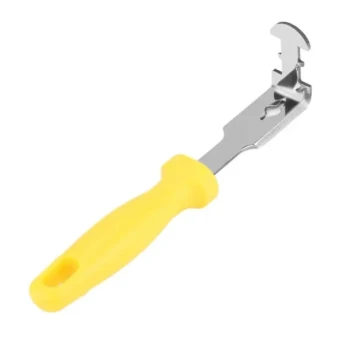
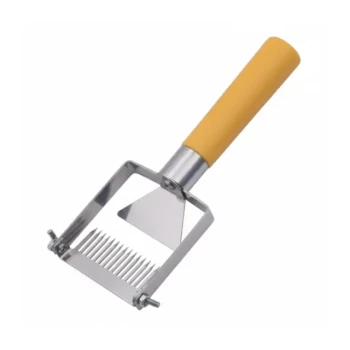
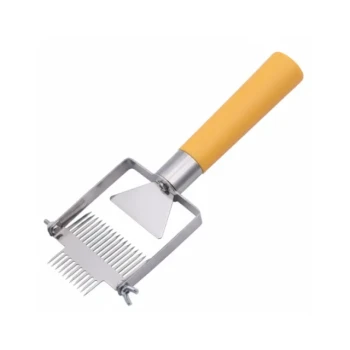
- Heavy Duty Stainless Steel Frame Cleaner with Plastic Handle
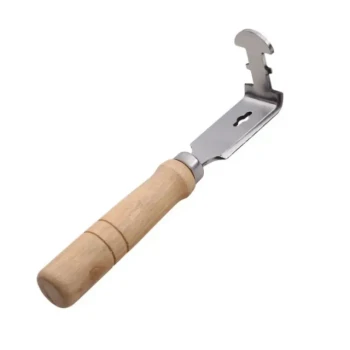
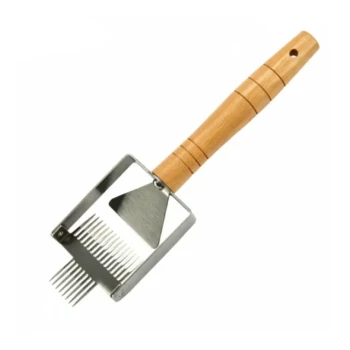
- Professional Stainless Steel Frame Cleaner with Ergonomic Wood Handle
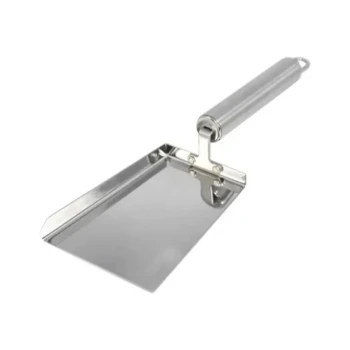
- Stainless Steel Pollen Shovel with Wooden Handle
- Heavy-Duty Ergonomic Stainless Steel Pollen Shovel
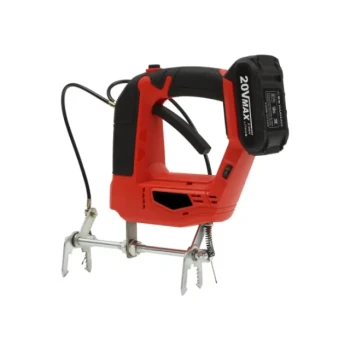
- High Performance Cordless Electric Bee Shaker for Beekeeping
People Also Ask
- What tools are used for cleaning frames? A Beekeeper's Simple 4-Tool Guide
- What are the physical characteristics of the frame cleaning tool? Durable Wood Design for Effective Hive Maintenance
- What is the purpose of the frame cleaning tool? A Precision Tool for Efficient Frame Maintenance
- In what specific situation is the frame cleaning tool particularly useful? Master Cut Comb Maintenance
- What is the function of the frame cleaning tool in beekeeping? Streamline Your Apiary Hygiene and Maintenance