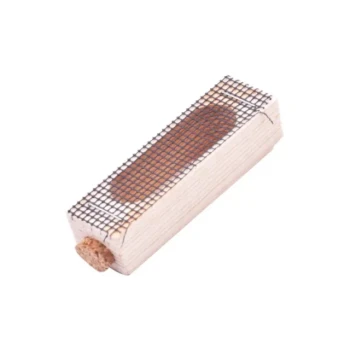
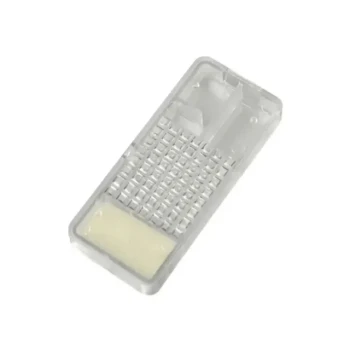
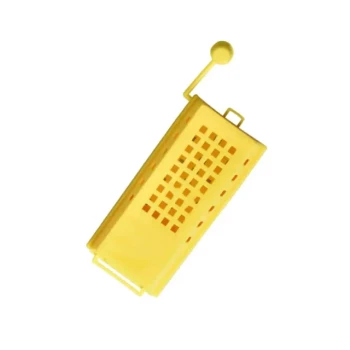
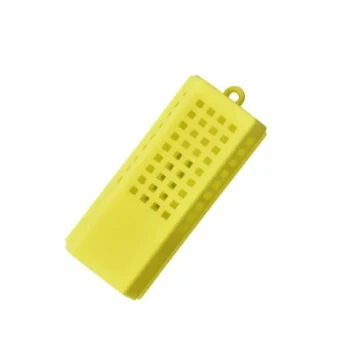
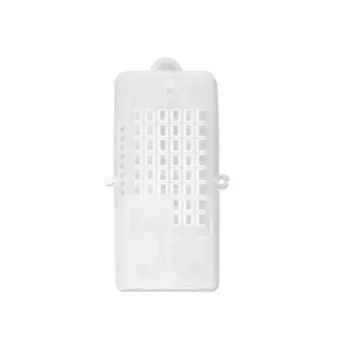
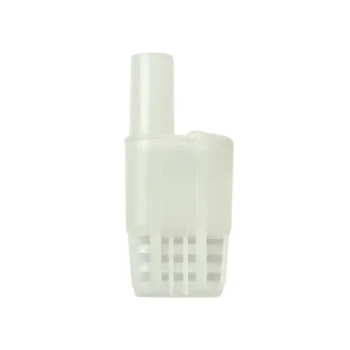
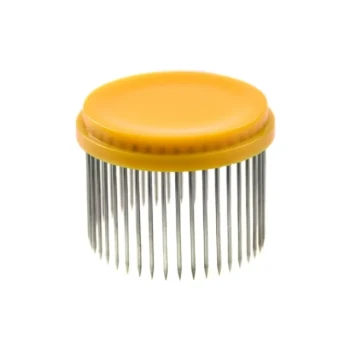
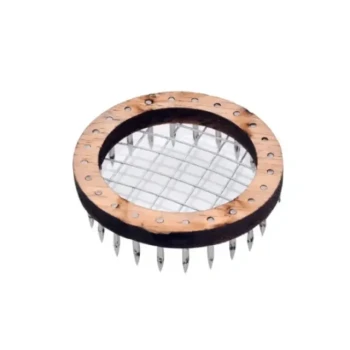
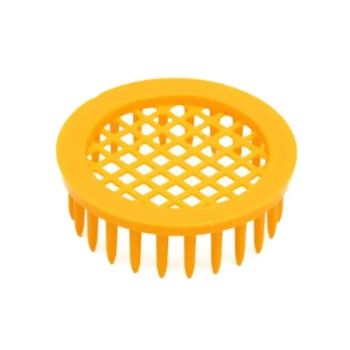
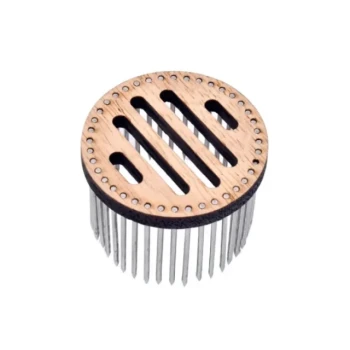
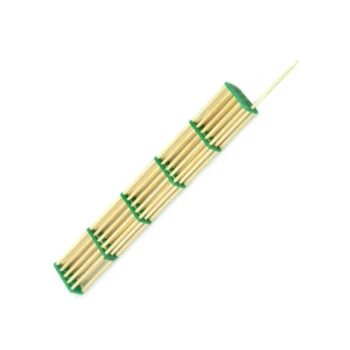
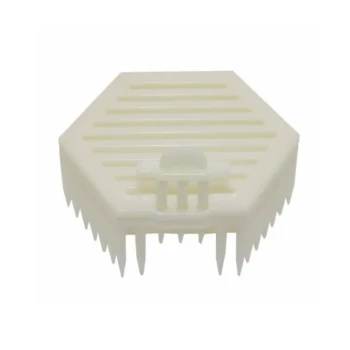
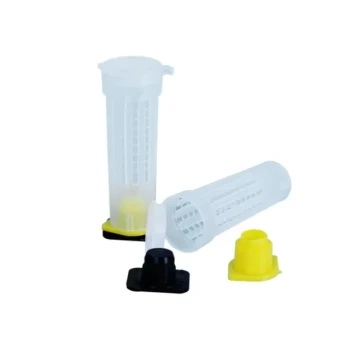
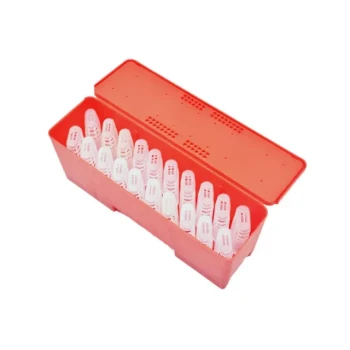
Precision in biological research depends on controlling variables. Queen cages or comb isolation cages are necessary to restrict the queen bee to a specific, defined area of the comb. By physically confining the queen, researchers can record the exact start time of egg-laying (oviposition). This ensures that the resulting larvae and pupae are of a highly consistent age, eliminating developmental variance that would otherwise compromise experimental data.
Without the physical restriction provided by isolation cages, egg-laying occurs randomly across the hive, making it impossible to determine the precise age of developing bees. Isolation cages provide a controlled window for oviposition, ensuring all subjects in a study are at the same developmental stage.
The Mechanics of Oviposition Control
Restricting the Queen’s Movement
The primary mechanism of the cage is physical isolation. By placing the queen within a cage on a specific section of the comb, she is prevented from wandering throughout the hive.
This forces her to lay eggs only within the boundaries of the cage. It creates a localized and manageable sample area for the researcher to monitor.
Establishing "Time Zero"
Because the queen is confined, researchers can observe exactly when she begins to lay eggs. This allows for the precise recording of the start time of embryonic development.
Knowing this exact start time creates a definitive "time zero" for every egg in that section. It removes the guesswork associated with finding eggs of unknown ages in an open hive.
Why Developmental Consistency Matters
Eliminating Developmental Variance
In scientific experiments, variables must be minimized to prove a hypothesis. If a sample group contains larvae or pupae of varying ages, the results can be skewed.
Developmental stage variance introduces noise into the data. Isolation cages standardize the age of the subjects, ensuring they are developmentally identical.
Ensuring Experimental Integrity
When larvae are of a highly consistent age, they react to experimental variables more uniformly. This allows researchers to attribute changes in the subjects to the experiment itself, rather than age differences.
This level of control is essential for studies requiring high sensitivity, such as genetic expression or developmental biology.
Understanding the Trade-offs
Artificial Intervention
While isolation cages provide necessary data control, they are an artificial intervention. Confining a queen restricts her natural movement and behavior.
This physical restriction is a deviation from natural hive dynamics. Researchers must be aware that the act of isolation is a stressor, however minimal, on the colony's natural flow.
Operational Complexity
Using isolation cages requires more effort than passive observation. The cages must be installed, monitored, and eventually removed.
This adds a layer of manual labor and time to the experimental setup. It requires the researcher to be present at specific times to record the oviposition start, rather than checking the hive at leisure.
Ensuring Data Integrity in Bee Research
To determine if isolation cages are required for your specific project, consider the level of temporal precision your data demands.
- If your primary focus is experimental precision: Use isolation cages to strictly synchronize the age of your subjects and eliminate developmental stage variance.
- If your primary focus is minimizing hive disturbance: Recognize that avoiding cages prevents accurate age tracking, introducing significant variability into your dataset.
Ultimately, controlling the timing of embryonic development through isolation is the only way to guarantee the temporal accuracy required for high-quality biological research.
Summary Table:
| Feature | Purpose in Research | Impact on Data Quality |
|---|---|---|
| Physical Isolation | Restricts queen to a specific comb area | Creates a manageable, localized sample area |
| Establishing 'Time Zero' | Records exact start of egg-laying | Eliminates age guesswork and developmental noise |
| Standardization | Synchronizes age of larvae and pupae | Minimizes variables for uniform experimental reactions |
| Temporal Accuracy | Controls embryonic timing | Guarantees high-integrity, publication-ready data |
Elevate Your Commercial Apiary with Professional Equipment
Precise research and efficient colony management require the highest quality tools. HONESTBEE specializes in supporting commercial apiaries and distributors with a comprehensive range of wholesale solutions. From queen isolation cages and precision beekeeping tools to advanced hive-making and honey-filling machinery, we provide the hardware you need to scale your operations.
Whether you are stocking essential industry consumables or expanding your portfolio with honey-themed cultural merchandise, HONESTBEE delivers durability and expertise to your business.
Ready to optimize your production and supply chain? Contact HONESTBEE Today to Discuss Your Wholesale Needs
References
- Rubén G. Medina, José Javier G. Quezada‐Euán. Developmental stability, age at onset of foraging and longevity of Africanized honey bees (Apis mellifera L.) under heat stress (Hymenoptera: Apidae). DOI: 10.1016/j.jtherbio.2018.04.003
This article is also based on technical information from HonestBee Knowledge Base .
Related Products
- Durable Galvanized Steel Spring Queen Bee Cage
- Classic Wooden and Mesh California Queen Cage
- Professional Queen Bee Introduction and Transport Cage
- Professional Queen Cage with Sliding Gate and Feeder Plug
- Professional Multi-Compartment Queen Cage with Sliding Lid
People Also Ask
- Why are specialized queen bee cages used for the banking of mated queen bees? Maximize Commercial Apiary Storage Efficiency
- What is the mechanism of action for using temporary queen bee cages? Master Successful Queen Introduction
- What is the step-by-step process for installing a queen bee's cage onto a frame? Ensure Hive Acceptance Safely
- What is the optimal placement for a queen bee cage? Essential Strategies for Successful Re-queening
- What are the advantages and disadvantages of introducing a queen bee by embedding the cage? Boost Your Queen Acceptance