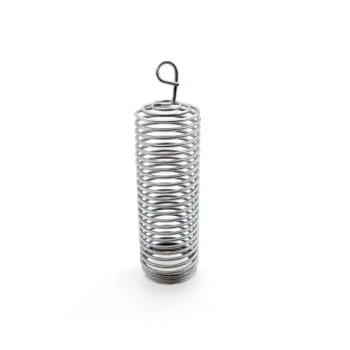
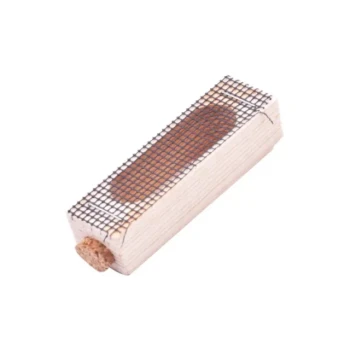
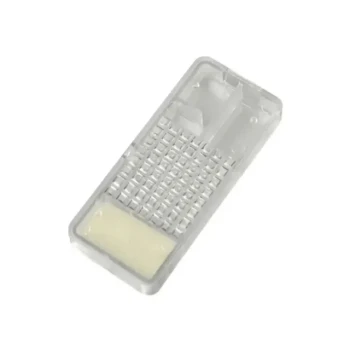
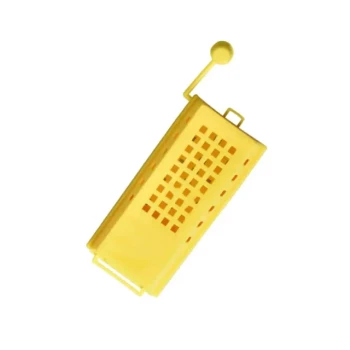
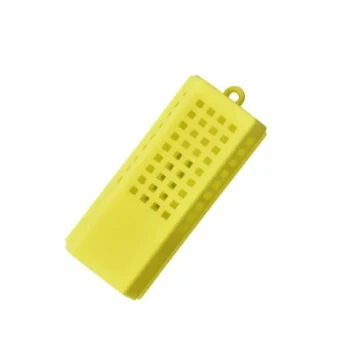
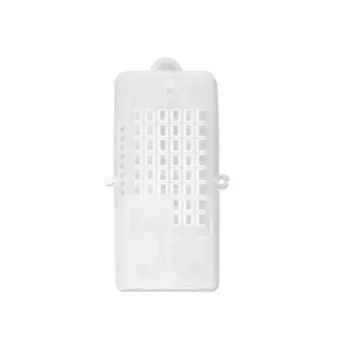
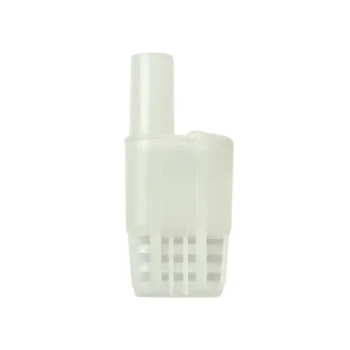
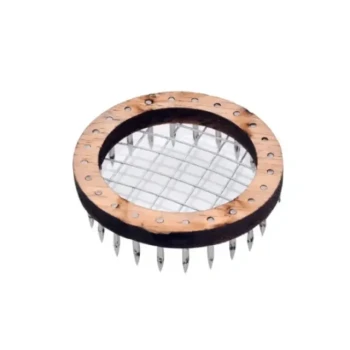
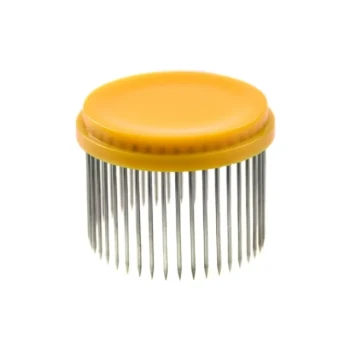
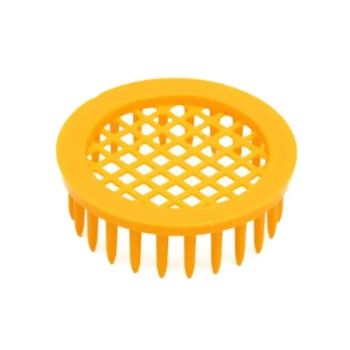
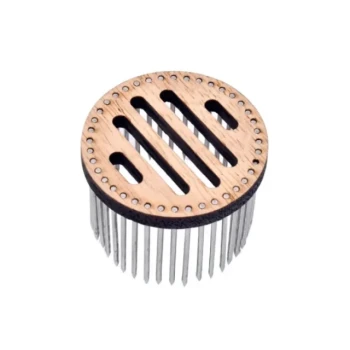
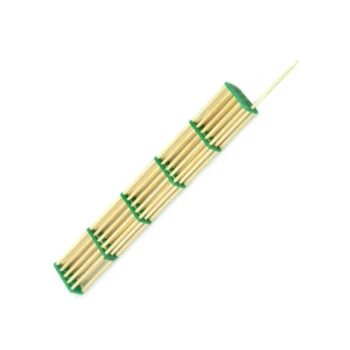
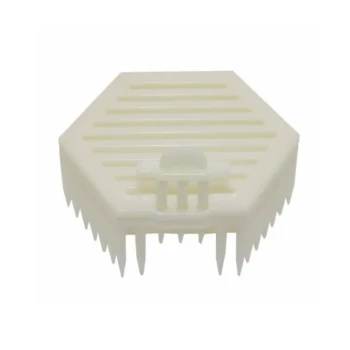
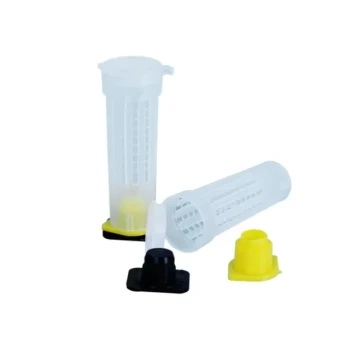
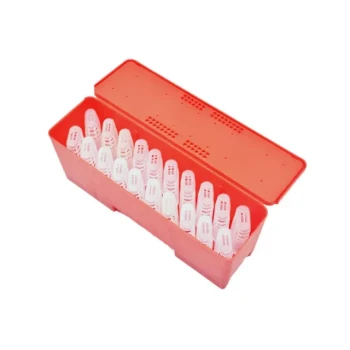
Queen cages are primarily utilized to impose a strategic "brood break" that halts the production of new larvae within the colony. By physically isolating the queen and preventing her from laying eggs, beekeepers deprive the Ascosphaera apis fungus of the larval hosts required for its reproduction, effectively interrupting the disease cycle.
Core Insight Isolating the queen is not just about containment; it is a biological reset button. By temporarily stopping brood production, you starve the fungal pathogen of its host and liberate worker bees to focus entirely on purging the hive of existing infection.
The Mechanics of the Brood Break
Interrupting the Fungal Cycle
Chalkbrood is caused by the fungus Ascosphaera apis, which specifically targets and consumes developing bee larvae.
The queen cage acts as a circuit breaker. By preventing the queen from laying eggs, you ensure there are no new larvae entering the system to become infected.
Without susceptible hosts, the reproductive cycle of the fungus is forced to a halt.
Enhancing Hygienic Behavior
Under normal conditions, nurse bees are occupied with the demanding task of feeding and caring for open brood.
When the queen is caged, the demand for brood care drops to zero as existing larvae are capped or removed.
This frees up the workforce to focus on hygienic behavior, allowing them to aggressively locate and remove infected "mummies" (dead larvae) and reduce the overall pathogen load.
Recovering Colony Homeostasis
A diseased colony is often a stressed colony struggling to maintain its internal environment.
The break in brood rearing provides a necessary buffer period.
It allows the colony to stabilize its resources and health status before resuming the energy-intensive process of raising the next generation.
The Role of Broader Management Tools
Genetic Selection and Prevention
While caging stops an active outbreak, long-term resilience relies on the quality of the queen.
Specialized queen rearing tools allow beekeepers to facilitate the annual replacement of queens, selecting for superior genetic traits such as high hygienic behavior.
A queen with strong genetics improves the colony's natural resistance to pathogens, reducing the likelihood of future outbreaks.
Environmental Monitoring
Chalkbrood outbreaks are often triggered by temperature stress or high humidity.
Monitoring external meteorological variables helps beekeepers understand the strain on the colony's thermoregulation capacity.
If monitoring data suggests the colony is struggling to maintain homeostasis, interventions like caging should be timed carefully to avoid further stress.
Understanding the Trade-offs
Population Stagnation
The most significant downside to caging the queen is the halt in population growth.
Every day the queen is confined is a day without new bees being generated for the future workforce.
If the isolation period is too long, the colony may suffer from a population crash weeks later as older bees die off without replacements.
Reintroduction Risks
Releasing the queen after a period of isolation requires care.
The sudden cessation and restart of egg-laying can sometimes disrupt the colony's pheromone balance.
Beekeepers must monitor the release to ensure the workers accept the queen and that she resumes laying at an optimal rate.
Integrating this Tactic into Your Management Strategy
While queen cages are a powerful reactive tool for chalkbrood, they work best when combined with proactive monitoring.
- If your primary focus is halting an active outbreak: Isolate the queen immediately to create a brood break, starving the fungus and allowing workers to clean the hive.
- If your primary focus is long-term prevention: Use queen rearing tools to replace queens annually with stock selected for hygienic behavior and disease resistance.
- If your primary focus is environmental resilience: Monitor ambient temperature and humidity to ensure your interventions do not overwhelm the colony's ability to regulate its internal climate.
Effective disease management requires balancing immediate intervention with the long-term maintenance of a genetically robust and well-monitored colony.
Summary Table:
| Mechanism | Action | Impact on Chalkbrood |
|---|---|---|
| Brood Break | Isolates queen to stop egg-laying | Starves Ascosphaera apis fungus of larval hosts |
| Hygienic Boost | Frees nurse bees from brood care | Increases removal of infected "mummies" and pathogens |
| Homeostasis | Reduces colony energy expenditure | Allows the colony to stabilize and recover from stress |
| Genetic Reset | Facilitates queen replacement | Introduces disease-resistant genetics to the hive |
Protect Your Apiary with Professional-Grade Solutions
Don't let chalkbrood compromise your productivity. HONESTBEE provides commercial apiaries and distributors with the high-quality queen cages, queen rearing tools, and colony management equipment needed to implement effective disease control strategies. From specialized hive-making machinery to essential beekeeping consumables, our comprehensive wholesale portfolio is designed to enhance your operational efficiency and colony health.
Empower your beekeeping business with HONESTBEE’s industry-leading tools.
Contact Our Wholesale Team Today
References
- Yasuko Hanafusa, Sota Kobayashi. Chalkbrood : the Mycosis in Honeybees and its Control Measures. DOI: 10.2743/jve.24.101
This article is also based on technical information from HonestBee Knowledge Base .
Related Products
- Durable Galvanized Steel Spring Queen Bee Cage
- Classic Wooden and Mesh California Queen Cage
- Professional Queen Bee Introduction and Transport Cage
- Professional Queen Cage with Sliding Gate and Feeder Plug
- Professional Multi-Compartment Queen Cage with Sliding Lid
People Also Ask
- Why are specialized queen bee cages used for the banking of mated queen bees? Maximize Commercial Apiary Storage Efficiency
- What is the mechanism of action for using temporary queen bee cages? Master Successful Queen Introduction
- What is the step-by-step process for installing a queen bee's cage onto a frame? Ensure Hive Acceptance Safely
- What is the optimal placement for a queen bee cage? Essential Strategies for Successful Re-queening
- What are the advantages and disadvantages of introducing a queen bee by embedding the cage? Boost Your Queen Acceptance