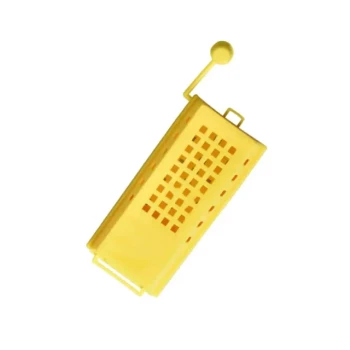
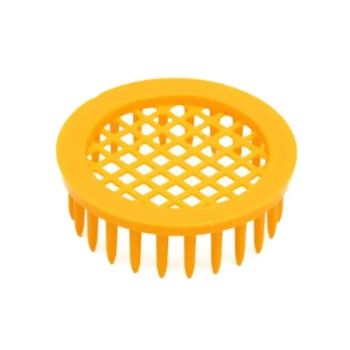
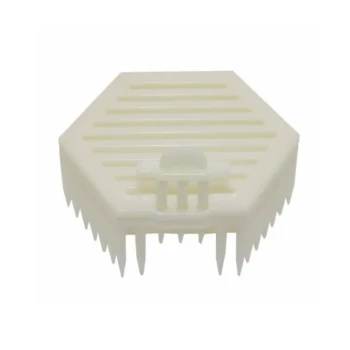
Slow-release cages equipped with candy plugs are utilized to critically control the timing of a queen's release into a new colony. This mechanism forces a delay that allows the existing worker bees to gradually acclimate to the new queen's specific pheromones, thereby preventing the colony from identifying her as an intruder and attacking her.
The candy plug functions as an automatic timer. By requiring workers to chew through the sugar barrier over several days, the cage ensures chemical acceptance occurs before physical contact is made.
The Mechanics of Safe Introduction
Pheromone Acclimatization
Every queen bee emits a unique chemical signature, or pheromone profile. To an established colony, a new queen smells like a foreign invader.
If introduced immediately, the workers will likely reject her. The slow-release cage allows her scent to permeate the hive safely while the queen remains behind a protective mesh.
The Physical Barrier
The cage serves as a temporary protective container. It provides a physical wall between the queen and the colony's defensive workers.
This buffer protects the queen from "balling"—a behavior where workers surround and overheat or sting a foreign queen to death. It also prevents the queen from escaping or running, a behavior that often triggers an aggressive predator response from workers.
The Role of the Candy Plug
Controlled Timing
The candy plug is not merely food; it is a pacing mechanism. It creates a mandatory "multi-day release process."
Workers must eat through the plug to reach the queen. This process typically takes nearly 24 to 48 hours or longer, depending on the size of the plug and the colony's activity level.
Reducing Aggression
By the time the workers have consumed enough candy to release the queen, they have been exposed to her scent for an extended period.
This gradual exposure significantly reduces the risk of aggressive behavior. The transition from "intruder" to "accepted monarch" happens while the barrier is still intact, increasing the overall success rate of the introduction.
Understanding the Trade-offs
Release Timing Variables
While the candy plug increases safety, it is not a guarantee. If the candy is too soft or the plug is too short, workers may release the queen before they have fully accepted her pheromones, leading to rejection.
Conversely, if the candy is too hard or the colony is small, the release may be delayed too long. This keeps the queen from laying eggs and can delay the colony's growth trajectory.
The "Cap" Oversight
Many cages come with a plastic cap covering the candy to prevent premature eating during transport. A common error is failing to remove this cap before placing the cage in the hive.
If the cap is left on, the workers cannot access the candy. The queen will remain trapped indefinitely and may eventually perish inside the cage.
Making the Right Choice for Your Goal
To maximize the survival rate of your overwintered queen, consider these specific approaches:
- If your primary focus is Maximum Safety: Ensure the candy plug is substantial and verify the colony is calm before installation; the delay is your greatest asset against rejection.
- If your primary focus is Rapid Egg Laying: You must still use the slow-release method, but monitor the candy consumption closely to ensure the queen is not trapped longer than necessary.
The candy plug is the bridge between a hostile environment and a cohesive colony.
Summary Table:
| Feature | Function | Benefit to Colony |
|---|---|---|
| Candy Plug | Acts as an automatic timer/barrier | Forces a 24-48 hour delay for pheromone acclimation |
| Mesh Cage | Provides a physical protective wall | Prevents worker bees from "balling" or stinging the new queen |
| Pheromone Release | Gradual scent permeation | Transitions the queen from 'intruder' to 'accepted monarch' |
| Access Cap | Prevents candy consumption during transit | Ensures the queen remains secure until the beekeeper is ready |
Maximize Your Colony Success with HONESTBEE
At HONESTBEE, we understand that introducing a high-value overwintered queen is a critical moment for any commercial apiary. As a premier wholesale provider, we supply commercial apiaries and distributors with a comprehensive range of professional-grade beekeeping tools, from precision-engineered queen cages to advanced honey-filling machinery and hive-making equipment.
Our hardware and consumables are designed to reduce risk and increase efficiency in your operations. Whether you are scaling your honey production or stocking a distribution network, our team is ready to provide the specialized equipment and cultural merchandise you need to thrive.
Ready to elevate your beekeeping operation? Contact us today to discuss our wholesale offerings and discover how HONESTBEE can support your growth.
References
- Leslie A. Holmes, Shelley E. Hoover. Queen honey bee (<i>Apis mellifera)</i> survival and colony performance after overwintering mated queens indoors. DOI: 10.1093/jee/toaf022
This article is also based on technical information from HonestBee Knowledge Base .
Related Products
- Professional Queen Cage with Sliding Gate and Feeder Plug
- Durable Plastic Push In Queen Bee Cage
- Hexagonal Direct Comb Introduction Queen Bee Cage
People Also Ask
- Why are specialized queen bee cages used for the banking of mated queen bees? Maximize Commercial Apiary Storage Efficiency
- What is the mechanism of action for using temporary queen bee cages? Master Successful Queen Introduction
- How is a queen bee released from a queen cage? Ensure Safe Colony Integration & Hive Success
- What is the step-by-step process for installing a queen bee's cage onto a frame? Ensure Hive Acceptance Safely
- What technical precaution must be taken regarding the mesh or grill side of a queen bee cage? Ensure Queen Survival