Specialized beehive protective materials are essential for stabilizing the internal microclimate of the hive against harsh and unpredictable forest conditions. By utilizing components like moisture-proof coatings and industrial-grade thermal insulation, you actively mitigate the impact of fluctuating weather, ensuring the colony remains healthy enough to maintain high foraging activity during migration.
Core Insight: The primary function of these specialized materials is not just physical protection, but metabolic efficiency. By artificially stabilizing the hive environment, you free the colony from expending excessive energy on thermoregulation, allowing them to focus that energy on nectar collection and rapid expansion.
Regulating the Hive Microclimate
Combating Temperature Fluctuations
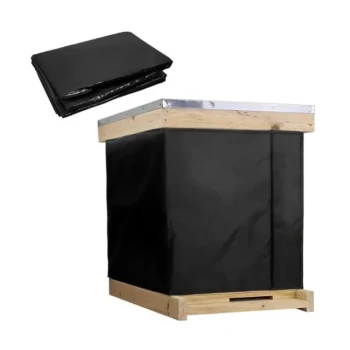
Forest environments are characterized by rapid climate shifts. Industrial-grade thermal insulation pads are necessary to create a thermal buffer.
This insulation maintains a stable internal temperature, which is critical for brood rearing. Without this stability, the colony’s growth cycle can be disrupted by cold snaps or extreme heat.
Managing Moisture and Durability
High humidity is a silent killer in forest environments. Moisture-proof coatings are applied to hives to prevent water infiltration and wood rot.
This ensures the physical infrastructure of the hive remains intact. It also prevents the buildup of internal moisture, which can lead to disease and lower the overall health of the colony.
Optimizing Productivity and Migration
Ensuring Efficiency During Migration
Forest beekeeping often involves moving colonies to follow nectar flows. Specialized protective materials ensure colonies maintain high foraging activity during these long-distance migrations.
By reducing the stress of transport and weather exposure, these materials safeguard the efficiency of nectar collection. This is particularly vital when targeting specific forest belts.
Supporting Rapid Colony Expansion
(Supplementary Context) Beyond the coatings and pads, the hive structure itself plays a role. Standardized, precision-manufactured hives provide the structural stability needed for rapid population growth.
This robustness is essential during the critical early spring period. A stable, well-protected hive allows the colony to expand quickly enough to capitalize on early-blooming forest plants.
Operational Safety and Product Purity
Protecting the Workflow
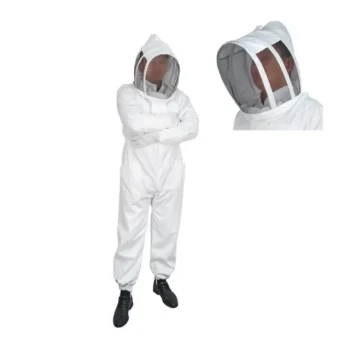
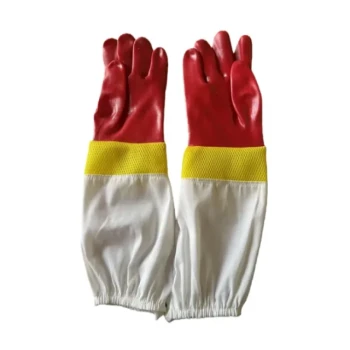
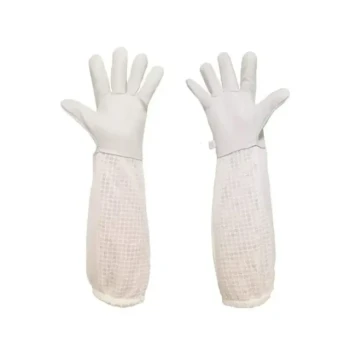
(Supplementary Context) In high-altitude or complex forest terrains, the environment is as dangerous as the bees. Professional consumables, such as high-strength bee suits and smokers, are necessary to protect workers from stinging incidents.
These tools increase operational efficiency. They allow beekeepers to work confidently and quickly, even in difficult geographic conditions where medical help may be distant.
Maintaining Contamination-Free Extraction
(Supplementary Context) The right consumables also protect the end product. Using professional tools during extraction prevents the introduction of foreign contaminants.
This is vital for maintaining the quality of the honey as a natural extract, ensuring it meets the premium standards often associated with forest honey.
Understanding the Trade-offs
While specialized materials offer control and efficiency, it is important to understand the alternative approaches to forest beekeeping.
Artificial Control vs. Natural Simulation
Traditional methods, such as hanging hives high in trees, simulate the bee's natural nesting environment. This approach is excellent for attracting wild swarms and provides natural isolation from ground-based predators.
Accessibility vs. Cost
The trade-off is management intensity. Specialized ground-based hives require investment in materials (insulation, coatings) but allow for easy intervention.
Tree-hanging reduces material costs and manual intervention but makes the hives significantly harder to access for health checks or harvesting. You gain predator protection but lose management agility.
Making the Right Choice for Your Goal
To select the right equipment strategy, you must define your primary objective for the apiary.
- If your primary focus is maximizing nectar production: Prioritize industrial thermal insulation and moisture-proof coatings to minimize colony stress and maximize foraging energy.
- If your primary focus is operational safety in rugged terrain: Invest heavily in high-strength protective consumables (suits and smokers) to ensure worker efficiency and injury prevention.
- If your primary focus is low-cost swarm attraction: Consider the traditional tree-hanging method, accepting lower accessibility in exchange for reduced setup costs and natural predator defense.
Success in forest beekeeping relies on using these materials to turn a volatile environment into a controlled production system.
Summary Table:
| Material/Consumable | Primary Function | Benefit to Colony/Beekeeper |
|---|---|---|
| Thermal Insulation Pads | Regulates internal microclimate | Minimizes energy loss; stabilizes brood rearing |
| Moisture-Proof Coatings | Prevents wood rot & humidity buildup | Extends hive lifespan; prevents moisture-related diseases |
| High-Strength Bee Suits | Physical protection for workers | Enables efficient operations in remote/dangerous terrain |
| Standardized Hives | Structural stability | Supports rapid colony expansion during nectar flows |
| Professional Smokers | Hive management & calming | Reduces stress during migration and health checks |
Maximize Your Apiary's Potential with HONESTBEE
In the demanding conditions of forest beekeeping, the right equipment isn't just a choice—it's a necessity for survival and profitability. HONESTBEE empowers commercial apiaries and distributors worldwide with a comprehensive range of professional-grade beekeeping tools and machinery.
From moisture-resistant hive-making machines and precision honey-filling equipment to high-durability consumables and honey-themed cultural merchandise, we provide the full spectrum of products needed to scale your operations. Partner with us to enhance your metabolic efficiency and protect your colony's health with industry-leading technology.
Ready to elevate your wholesale beekeeping supply?
References
- І. Solomakha, V. Solomakha. Field forest strips of the Middle Dnipro Area Forest- Steppe as raw areas for beekeeping. DOI: 10.33730/2077-4893.1.2023.276726
This article is also based on technical information from HonestBee Knowledge Base .
Related Products
- Metal Hive Feet Bee Hive Stand for Ant Protection
- Professional Insulated Plastic Bee Hives
- Professional Insulated Winter Hive Wrap for Beekeeping
- Inner Beehive Cover for Beekeeping Bee Hive Inner Cover
- Beekeeping Gloves Goatskin Leather with Long Cotton Sleeve for Beekeepers
People Also Ask
- What are the benefits of elevating a bee hive with a stand or base? Protect Your Colony and Your Back
- How does a beehive stand protect against predators and pests? Essential Strategies for Colony Security
- How should the height of a beehive stand be determined? Find Your Ergonomic Sweet Spot
- What to stand a beehive on? The Best Foundation for a Healthy, Manageable Apiary
- How tall should a beehive stand be? Achieve Optimal Hive Health & Beekeeper Comfort