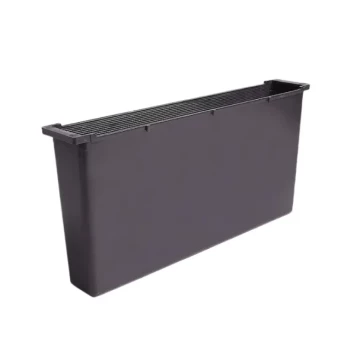
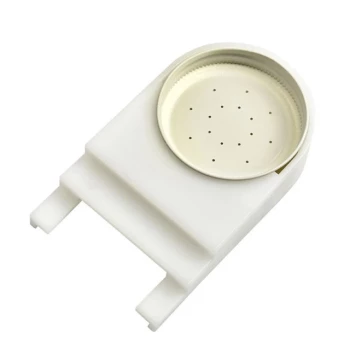
Specialized high-position feeders are critical management tools designed to sustain stingless bee colonies during periods of environmental stress. By positioning nutritional supplements at precise distances from the hive entrance, these devices match the bees' specific foraging preferences to ensure colony survival when natural nectar is scarce.
Core Takeaway The utilization of high-position feeders is not just about providing food; it is a strategic energy management technique. By reducing the flight distance required for foraging during scarcity, these feeders lower worker energy expenditure, directly supporting sustained reproduction rates and overall colony survival.
The Biological Necessity of Specialized Feeding
To understand the value of high-position feeders, one must first understand the vulnerability of stingless bees to resource fluctuations.
Combatting Nectar Scarcity
The primary driver for using these feeders is to bridge the gap during periods of nectar scarcity.
When local flora stops blooming, the colony risks starvation. High-position feeders provide an immediate, accessible source of essential nutritional supplements that replace missing natural resources.
Reducing Energy Expenditure
Foraging is the most energy-intensive activity for a worker bee.
By utilizing specialized feeders, apiarists minimize the physical toll on the workforce. Less energy spent seeking distant food sources means more energy remains available for maintaining the hive and caring for the brood.
Strategic Design and Placement
These are not generic containers; they are engineered based on the behavioral biology of the stingless bee.
Matching Foraging Preferences
Stingless bees have distinct behaviors regarding how and where they collect food.
These feeders are specifically designed to match these unique foraging preferences. This design ensures the bees accept the artificial food source readily, rather than ignoring it in favor of natural (but currently unavailable) sources.
The Importance of Precision
Effectiveness relies on the spatial relationship between the feeder and the colony.
The feeders are typically placed at a precise distance from the hive entrance. This placement is calculated to balance accessibility for the colony while potentially minimizing attraction to pests or robber bees, although the primary goal is optimizing access for the target colony.
Understanding the Trade-offs
While beneficial, the use of specialized feeders requires exact implementation to be effective.
Dependence on Precision
The system relies on correct placement. If the feeder is not positioned at the optimal distance, the energy-saving benefits may be negated, or the bees may fail to locate the resource efficiently.
Management Intensity
Unlike passive hive features, these feeders represent an active management strategy. They require monitoring to ensure supplements are available exactly when the "nectar dearth" begins, necessitating a vigilant apiarist.
Impact on Colony Metrics
Ultimately, the use of high-position feeders is measured by quantifiable biological outcomes.
Maintaining Reproduction Speeds
Nutrition is directly linked to the queen's laying capacity.
By ensuring a steady intake of supplements, the colony avoids the reproductive dip that usually accompanies food shortages, keeping population growth steady.
Ensuring Survival Rates
The combination of energy conservation and nutritional consistency prevents colony collapse.
High-position feeders effectively buffer the colony against environmental shocks, leading to significantly higher survival rates compared to unmanaged colonies during lean seasons.
Making the Right Choice for Your Goal
The decision to implement specialized high-position feeders should be driven by the specific operational needs of your apiary.
- If your primary focus is Colony Survival: deploy these feeders immediately at the onset of seasonal changes to prevent nutritional deficits caused by nectar scarcity.
- If your primary focus is Productivity and Growth: use these feeders to minimize worker energy expenditure, allowing resources to be diverted toward maintaining high reproduction speeds.
Strategic feeding is the difference between a colony that merely survives and one that thrives despite environmental challenges.
Summary Table:
| Feature | Benefit to Colony | Management Impact |
|---|---|---|
| High-Position Placement | Matches unique foraging preferences | Increases supplement acceptance |
| Energy Optimization | Reduces flight distance for workers | Preserves hive energy for brood care |
| Precise Spatial Design | Balances accessibility vs. pest risk | Minimizes colony stress during dearth |
| Nutritional Buffer | Bridges gaps in natural nectar flow | Prevents reproductive dips and collapse |
Maximize Your Apiary's Productivity with HONESTBEE
At HONESTBEE, we understand the specialized needs of commercial apiaries and distributors. Whether you are managing stingless bee colonies or large-scale honey production, our comprehensive wholesale offering provides the tools you need to thrive. From high-precision beekeeping hardware and specialized machinery like hive-making and honey-filling machines to essential industry consumables and honey-themed cultural merchandise, we deliver the quality your business demands.
Ready to elevate your operation? Contact us today to discover how our expert solutions and premium equipment can support your growth and ensure your colonies reach their full potential.
References
- Hanilyn A. Hidalgo, Presbel B. Presto. The Development of Indicators for Social Enterprise Business Model in Melitourism. DOI: 10.56527/jabm.9.1.6
This article is also based on technical information from HonestBee Knowledge Base .
Related Products
- Professional Hive Top Bee Feeder for Beekeeping
- HONESTBEE Professional Hive Top Bee Feeder Feeding Solution
- In-Hive Dual Compartment Frame Bee Feeder for Targeted Colony Nutrition
- Professional In-Hive Bee Feeder HONESTBEE Frame for Beekeeping
- HONESTBEE Professional Entrance Bee Feeder Hive Nutrition Solution
People Also Ask
- Do I need an inner cover with a hive top feeder? Optimize Your Hive Setup for Healthy Bees
- What is a hive top feeder? A Guide to Efficient, Low-Stress Beekeeping
- What is a hive top feeder, and how does it work? A Complete Guide to Efficient In-Hive Feeding
- What are the characteristics, advantages, and disadvantages of hive top feeders? Optimize Your High-Volume Feeding
- How does a hive top feeder work? Optimize Your Apiary's Nutrition and Security