Specialized filtration and packaging systems are essential because they bridge the gap between a raw, unstable natural resource and a safe, medical-grade product.
For stingless bee honey, this equipment serves two immediate functions: filtration removes physical contaminants like beeswax and larval debris to ensure purity, while high-seal packaging isolates the honey from air and moisture. This isolation is the only way to prevent rapid fermentation and spoilage, thereby stabilizing the biological activity necessary for high-value medicinal applications.
Specialized processing is the linchpin of medicinal honey development; without it, the product’s high moisture content leads to fermentation, destroying the antibacterial and anti-inflammatory properties required for treatments such as ocular care and wound repair.
Achieving Medical-Grade Purity
Removal of Physical Contaminants
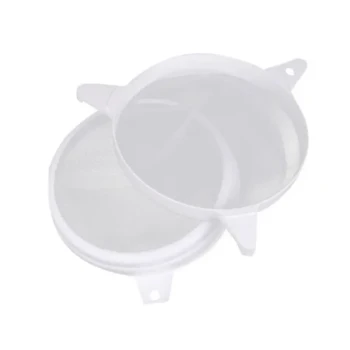
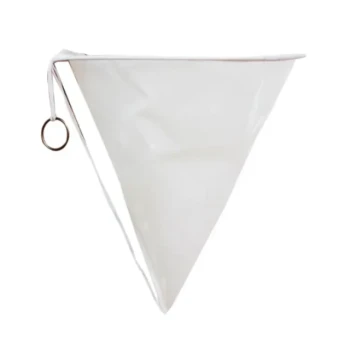
Raw harvesting methods for stingless bee honey inevitably introduce impurities. Specialized filtration systems are designed to effectively remove beeswax, larval debris, and other physical fragments.
This step is not merely aesthetic; it is a safety requirement. For medicinal applications, particularly ocular treatments or open wound repair, the presence of foreign organic matter poses a significant infection risk.
Maintaining Nutritional Integrity
While purification is necessary, the process must be delicate. High-quality professional filtration removes waste while ensuring that inherent nutritional components remain intact.
The goal is a product that meets strict clarity and transparency standards without stripping the honey of the minor compounds that contribute to its health benefits.
Combatting Spoilage and Fermentation
The High Moisture Challenge
Stingless bee honey is biologically distinct from standard honey due to its higher moisture content. This characteristic makes it highly susceptible to natural fermentation and degradation if left exposed.
Standard bottling methods are often insufficient. Specialized processing often includes temperature control or dehumidification protocols to manage this moisture profile before the final seal.
Hermetic Sealing for Longevity
High-seal packaging equipment is critical to isolate the honey from environmental humidity and airborne microorganisms. By creating a sterile, airtight environment, producers prevent oxidation and secondary contamination.
This isolation stabilizes the honey, significantly extending its shelf life. Without this specialized sealing, the honey’s bioactive compounds would degrade rapidly, rendering it useless for pharmaceutical or premium health markets.
Preserving Bioactive Potency
Stabilizing Medicinal Properties
The commercial value of stingless bee honey lies in its antibacterial and anti-inflammatory activities. These properties are volatile and easily compromised by poor handling.
Automated filling and packaging machines minimize human contact and exposure time. This strict hygiene control preserves the bio-active compounds that justify the product's classification as a superfood or medicine.
Standardization for Dosing
For a product to be viable in a medicinal context, consistency is key. Automated filling ensures precise quantitative measurement (e.g., 100 ml or 250 ml units).
This allows for accurate dosing and consumption tracking, which is essential when the honey is prescribed or sold as a specific health supplement rather than a generic sweetener.
Understanding the Trade-offs
The Balance of Filtration
A common pitfall in honey processing is over-filtration. While clarity is desired for consumer appeal, using filters that are too fine can strip away beneficial pollen traces or unique enzymes.
The correct system removes debris (wax and larvae) but allows the microscopic nutritional profile to pass through. You must calibrate your equipment to achieve purity without sterility of the nutritional value.
Automation vs. Artisanal Perception
Moving to automated industrial workflows ensures hygiene and consistency, which builds consumer trust and protects against counterfeiting. However, it removes the "rustic" appeal of farm-harvested products.
Producers must rely on professional labeling systems to communicate the product's origin, Halal certification, and "superfood" status to bridge the gap between industrial safety and natural origin.
Making the Right Choice for Your Goal
To select the correct processing infrastructure, you must define the end-use of your product.
- If your primary focus is Medicinal Development: Prioritize high-seal and sterilization technologies to prevent fermentation and guarantee the stability required for wound or ocular applications.
- If your primary focus is Commercial Retail: Prioritize filtration clarity and precision labeling, as shelf appeal, transparency, and brand trust are the primary drivers of market value.
Invest in the system that protects the specific biological asset you intend to monetize—purity for safety, or stability for shelf life.
Summary Table:
| System Feature | Primary Function | Medicinal Benefit |
|---|---|---|
| Delicate Filtration | Removes wax & larval debris | Ensures safety for ocular & wound care |
| High-Seal Packaging | Prevents air/moisture exposure | Stops fermentation & preserves bio-activity |
| Moisture Control | Manages high water content | Extends shelf life & maintains potency |
| Automated Filling | Precise dosage measurement | Ensures consistent pharmaceutical quality |
Elevate Your Apiary to Pharmaceutical Standards
Stingless bee honey is a high-value biological asset, but its medicinal potential is only as strong as your processing equipment. HONESTBEE provides the specialized technology needed to transform raw honey into premium, medical-grade products.
From high-precision filtration and honey-filling machines to advanced hive-making hardware, we supply commercial apiaries and distributors with the tools to prevent fermentation and guarantee purity. Whether you are scaling a medicinal line or expanding a wholesale distribution network, our comprehensive machinery and industry consumables ensure your product maintains its anti-inflammatory and antibacterial potency.
Ready to upgrade your production? Contact HONESTBEE Today to Discuss Your Equipment Needs
References
- Madeleine Héger, Nicolas J. Vereecken. Traditional ecological knowledge and non-food uses of stingless bee honey in Kenya’s last pocket of tropical rainforest. DOI: 10.1186/s13002-023-00614-3
This article is also based on technical information from HonestBee Knowledge Base .
Related Products
- Professional Stainless Steel Honey Filtering Machine with Water Bath Heating for Beekeeping
- Stainless Steel Double Layer Honey Strainer Sieve Filters
- Professional Stainless Steel Honey Filter with Support Handle
- Stainless Steel Triangle Support Honey Strainer and Filters
- Automatic Honey Filling and Filtering Machine for Beekeeping Bottle Filling
People Also Ask
- Why do people filter honey? For Clarity, Stability, and Consumer Appeal
- Is it necessary to filter honey after extraction? A Guide to Straining vs. Raw Honey
- What is the best way to filter honey? A Guide to Quality, Clarity, and Raw Preservation
- Why is filtering honey an important step in honey processing? Ensure Purity, Clarity & Marketability
- What are the benefits of using honey filters? Achieve Purity, Efficiency, and Market Appeal