Specialized protective gear and smokers are not merely accessories; they are fundamental prerequisites for the safe management of aggressive honeybee subspecies. These tools provide a critical physical barrier against stings and a mechanism to suppress defensive behaviors, allowing beekeepers to perform essential inspections and scientific tasks without injury. Without this robust equipment, the risk of mass stinging events and severe allergic reactions makes the operational management of these colonies impossible.
The necessity of this equipment lies in the balance between human safety and colony stability; professional-grade barriers and smoke application prevent the escalation of defensive traits, ensuring that necessary conservation and production protocols can be executed effectively.
The Critical Role of Physical Barriers
Preventing Mass Stinging Events
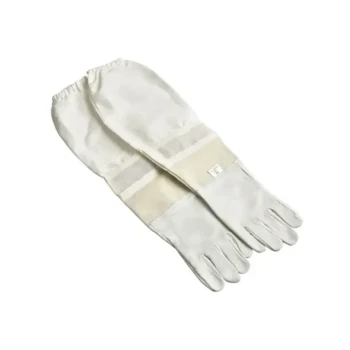
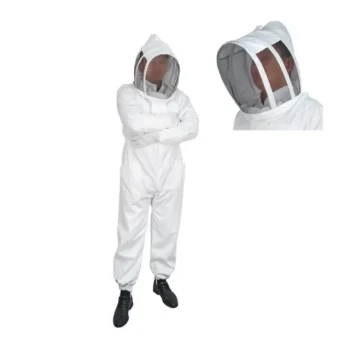
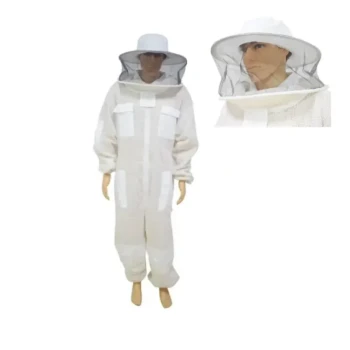
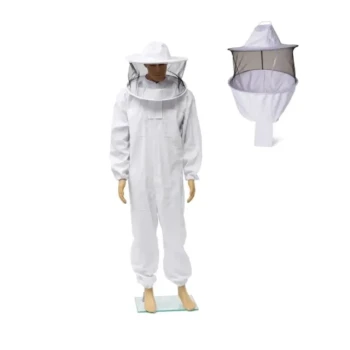
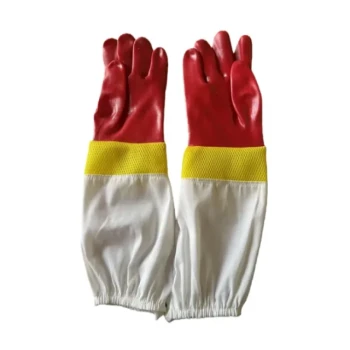
Professional-grade protective clothing serves as the primary line of defense against the collective attacks characteristic of aggressive subspecies. These suits are manufactured from thick, reinforced fabrics integrated with secure veils and gloves to prevent stings from penetrating to the skin. This physical separation is vital for preventing severe allergic reactions that can result from multiple stings occurring simultaneously.
Minimizing Visual and Olfactory Triggers
Beyond acting as armor, specialized gear is designed to reduce the stimuli that provoke aggressive behavior. Light-colored fabrics are utilized to minimize visual aggression triggers, as dark colors often incite defensive responses in bees. Furthermore, the barrier prevents the release of human scents and stress pheromones that could otherwise act as olfactory triggers, escalating the colony's defensive state.
Ensuring Operational Continuity
Enabling Essential Inspections
Routine management tasks, such as feeding, harvesting, and checking for diseases, require the beekeeper to work deliberately and calmly. Specialized smokers and suits allow personnel to remain in the apiary long enough to perform these duties accurately. If a beekeeper is under attack, they cannot effectively execute the management protocols required to maintain colony health.
Facilitating Scientific Observation
For programs focused on conservation or breeding, precise data collection is mandatory. Specialized equipment allows for the safe observation of phenological traits, such as worker foraging cycles and queen egg-laying rhythms. This gear ensures that scientific monitoring can proceed without interruption, securing the long-term data needed for adapting populations to local resources.
Common Pitfalls and Trade-offs
The Risk of Equipment Complacency
While high-quality gear provides substantial protection, it does not render the beekeeper invincible. There is a risk that relying solely on thick suits may lead to a false sense of security, causing beekeepers to ignore rising aggression levels. Equipment must be viewed as a tool to facilitate safe handling, not a license to handle colonies roughly.
Balancing Protection with Dexterity
The robust nature of professional-grade gear, particularly thick gloves and heavy fabrics, can reduce tactile sensitivity. This loss of dexterity can make fine motor tasks, such as handling queen cages or grafting larvae, more difficult. Beekeepers must practice using this heavier equipment to ensure they do not accidentally crush bees or damage the hive structure during inspections.
Making the Right Choice for Your Goal
When selecting equipment for managing defensive subspecies, align your gear with your specific operational objectives:
- If your primary focus is personnel safety: Prioritize suits made from thick, light-colored fabrics with fully integrated veils and gloves to eliminate skin exposure and prevent allergic reactions.
- If your primary focus is colony stability: Invest in specialized smokers and odor-neutralizing gear to disrupt olfactory communication and minimize the stress placed on the colony during inspections.
By integrating the correct protective technologies, you transform a hazardous environment into a managed, productive workspace.
Summary Table:
| Feature | Purpose | Impact on Management |
|---|---|---|
| Reinforced Suits | Physical barrier against mass stings | Prevents allergic reactions & injuries |
| Light-colored Fabric | Minimizes visual aggression triggers | Reduces colony stress & defensive behavior |
| Specialized Smokers | Disrupts olfactory communication | Suppresses alarm pheromones during work |
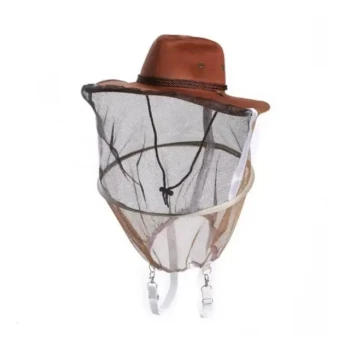
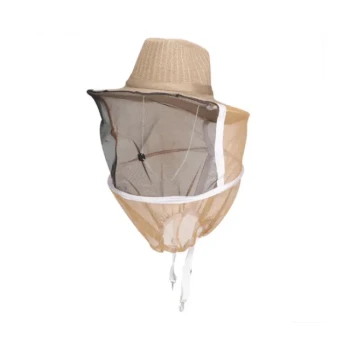
| Integrated Veils | Protects face and airways | Ensures beekeeper focus & operational safety |
| Secure Gloves | Prevents hand stings | Allows for essential hive inspections |
Elevate Your Apiary Safety with HONESTBEE
Managing aggressive subspecies requires more than basic equipment—it demands professional-grade reliability. At HONESTBEE, we specialize in supporting commercial apiaries and distributors with a comprehensive range of high-performance beekeeping tools. From reinforced protective gear and specialized smokers to advanced honey-filling machines and hive-making equipment, our wholesale solutions are designed to ensure operational continuity and maximum safety.
Partner with us to access the full spectrum of essential industry consumables and specialized hardware tailored for large-scale success. Contact HONESTBEE today to discuss your wholesale needs and discover how our expertise can strengthen your beekeeping operations.
References
- Małgorzata Bieńkowska, Robert Maciorowski. The Buzz Changes within Time: Native Apis mellifera mellifera Honeybee Subspecies Less and Less Popular among Polish Beekeepers Since 1980. DOI: 10.3390/agriculture11070652
This article is also based on technical information from HonestBee Knowledge Base .
Related Products
- Goatskin Leather Beekeeper Gloves with Vent Long Sleeve for Beekeeping Honey Bee Sting Proof Protection
- Premium Cowboy Beekeeper Hat with Visibility Veil Outdoor Professional Beekeeping Protective Gear
- Premium Cotton Beekeeper Suit with Reinforced Fencing Veil
- Beekeeping Jacket with Hood and Veil for Beekeepers
- Beekeeper Cowboy Hat and Veil for Beekeeping
People Also Ask
- What are the characteristics of goatskin beekeeping gloves? Enhance Dexterity and Protection in Your Apiary
- Why is it important to have gloves available even if not always worn? Essential Risk Management for Beekeepers
- What are the primary purposes of using beekeeping gloves? Protect Your Hands and Ensure Apiary Hygiene
- Why do some experienced beekeepers opt not to wear gloves? Discover the Benefits of Tactile Precision
- Why is it important for beekeepers to wear gloves? Essential Safety and Confidence for Hive Management