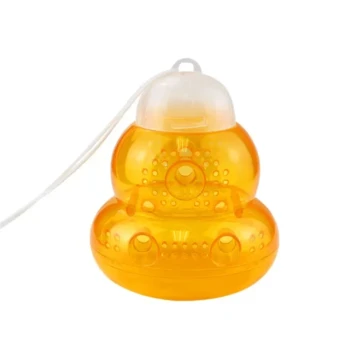
Specialized swarm catching or transport boxes are the primary safeguard against colony mortality during relocation. These containers serve as a temporary, portable environment designed specifically to prevent the fatal accumulation of heat and carbon dioxide that occurs when confining thousands of agitated insects.
By prioritizing high ventilation and secure containment, specialized transport boxes mitigate the biological risks of migration. They ensure the colony arrives at the apiary in a calm state, preventing stress-induced die-offs and significantly increasing the success rate of permanent establishment.
The Biological Risks of Swarm Transport
When a swarm is captured and confined, the colony's physiology changes rapidly. Specialized boxes are engineered to manage these specific biological hazards.
Preventing Thermal Overload
A confined cluster of bees generates immense metabolic heat. In a standard, unventilated container, this temperature rises quickly.
Specialized boxes feature high ventilation systems. This airflow is critical to dissipate heat, preventing the colony from "melting down"—a fatal scenario where the bees overheat and die within minutes.
Avoiding Hypoxia
Alongside heat, a confined swarm rapidly consumes oxygen. Without adequate air exchange, the colony risks hypoxia (oxygen deprivation).
Proper transport boxes allow for continuous air circulation. This prevents suffocation and ensures the bees remain viable during the journey from the capture site to the apiary.
Minimizing Stress
Transport is traumatic for wild bees. Stress weakens the colony's immune system and cohesion.
By providing a dark, cool, and breathable environment, these boxes mimic natural conditions. This reduces agitation, keeping the cluster calm and conserving their energy for the work of establishing their new home.
Operational Advantages
Beyond biological safety, specialized boxes solve the logistical challenges beekeepers face in the field.
Portability and Accessibility
Swarms often settle in elevated or difficult-to-reach locations. Transport boxes are designed for portability, allowing a beekeeper to safely maneuver them on ladders or across uneven terrain.
Unlike ad-hoc solutions, these boxes are rugged enough to withstand movement without compromising the containment of the bees.
Facilitating Transfer
Many specialized transport boxes, such as nuc boxes, are compatible with standard hive frames.
This allows beekeepers to include frames with drawn comb, the scent of which acts as a powerful attractant. Once the bees are inside, the frames can be easily transferred to a permanent hive body without disturbing the cluster again.
Understanding the Trade-offs
While specialized boxes are essential for transport, understanding their limitations and alternatives is necessary for a complete strategy.
Transport Boxes vs. Swarm Sacks
For swarms located in extremely high or complex areas (like tall trees), a rigid box may be unwieldy. In these specific cases, a swarm catching sack is a superior tool for the initial capture.
However, sacks are not suitable for long-duration transport due to the risk of crushing bees. The best practice involves using a sack for capture and immediately transferring the bees into a ventilated box for transport.
The Role of Queen Cages
A transport box alone does not guarantee the swarm will stay if the queen is not secured.
To ensure the entire swarm enters and remains in the box, beekeepers often use a queen cage to confine the queen first. Because worker bees instinctively follow her, this ensures the colony congregates within the ventilated safety of the box.
Making the Right Choice for Your Goal
Selecting the correct equipment depends on the specific phase of the swarm capture process you are addressing.
- If your primary focus is safe relocation: Prioritize a nuc box or ventilated transport box to prevent overheating and hypoxia during the drive to the apiary.
- If your primary focus is capturing high-elevation swarms: Use a swarm catching sack for the initial retrieval, then transfer the bees to a hard-sided box immediately.
- If your primary focus is passive acquisition: Utilize bait hives treated with attractants to lure swarms autonomously, rather than actively catching them.
The ultimate goal of using specialized transport gear is to deliver a healthy, unstressed colony that is ready to build immediately upon release.
Summary Table:
| Feature | Specialized Transport Box | Standard/Ad-hoc Containers |
|---|---|---|
| Ventilation | High-flow systems to prevent heat melt-down | Minimal; high risk of thermal overload |
| Air Quality | Continuous circulation to avoid hypoxia | Restricted; risk of oxygen deprivation |
| Stress Levels | Dark, cool environment mimics natural conditions | Agitated; increases metabolic heat and mortality |
| Portability | Designed for ladders and uneven terrain | Often unwieldy or fragile |
| Integration | Compatible with standard frames for easy transfer | Difficult to move bees into permanent hives |
Secure Your Apiary’s Success with HONESTBEE
At HONESTBEE, we understand that every successful honey harvest begins with a healthy, unstressed colony. We provide commercial apiaries and distributors with professional-grade swarm catching tools, ventilated nuc boxes, and specialized transport equipment designed to maximize survival rates. From precision-engineered hive-making machinery to essential beekeeping consumables, our wholesale portfolio is built to scale your operations.
Ready to upgrade your beekeeping toolkit? Contact us today to explore our comprehensive range of machinery and equipment tailored for the industry's highest standards.
References
- Jorge Godoy Román. EL ESPÍRITU DEL ZUMBIDO: ENTREVISTA CON ERIKA MAYR. DOI: 10.56255/ma.v1i21.505
This article is also based on technical information from HonestBee Knowledge Base .
Related Products
- HONESTBEE Professional Telescopic Pole Bee Swarm Catcher
- HONESTBEE Collapsible Tiered Bee Swarm Catcher for Beekeeping
- Styrofoam Mini Mating Nuc Box with Frames Feeder Styrofoam Bee Hives 3 Frame Nuc Box
- Langstroth Honey Bee Box Hive Boxes for Different Depths
- Gourd Shaped Hanging Wasp Trap Professional Wasp Catcher
People Also Ask
- What should be done if the swarm is situated on the bottom of a tree limb? A Guide to Methodical Bee Capture
- What role do swarm catchers play in maintaining the production scale of an apiary? Turn Colony Loss into Growth.
- What information should be gathered before attempting to catch a swarm of bees? A Safe and Successful Guide
- What precautions can be taken to prevent a newly captured swarm from absconding? Secure Your Swarm with Proven Methods
- What role does a Swarm Catcher play in the process of expanding apiary colony scale? Optimize Growth & Reduce Costs