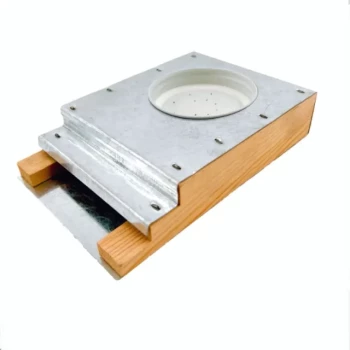
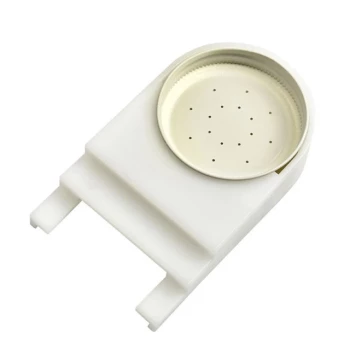
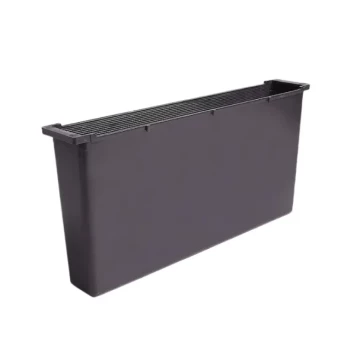
The primary reason for recommending stainless steel or food-grade aluminum in universal bee feeders is their ability to maintain a sterile, non-toxic environment for the colony. These materials provide superior chemical stability and corrosion resistance, ensuring that the water or feed supply remains free from heavy metal leaching and harmful impurities, even during long-term storage.
Core Takeaway By utilizing chemically inert metals like stainless steel and food-grade aluminum, beekeepers prevent water contamination and inhibit bacterial growth. These materials offer a critical combination of durability against disinfectants and a smooth surface that disrupts the formation of dangerous biofilms.
Preserving Chemical Integrity and Safety
The Importance of Chemical Stability
Bee feeders are subjected to prolonged contact with water, sugar syrups, and occasionally treatments. Stainless steel and food-grade aluminum are recommended because they are chemically stable. They do not react with these fluids, ensuring that the composition of the bee’s diet remains unaltered.
Preventing Contamination
Lower-grade materials can degrade over time, releasing substances into the liquid. These specific metals do not leach heavy metals or harmful impurities. This characteristic is vital for maintaining the absolute purity of the water source provided to the apiary.
Resistance to Corrosion
Feeders must withstand constant moisture and the application of chemical disinfectants used for cleaning. These metals possess superior corrosion resistance. They do not rust or break down under these harsh conditions, preventing structural failure and fluid contamination.
Hygiene and Disease Prevention
Inhibiting Biofilms
One of the greatest risks in bee feeding is the buildup of bacteria. The smooth surfaces of stainless steel and food-grade aluminum effectively inhibit the development of bacterial biofilms. These slimy layers of bacteria are notorious for harboring pathogens and are difficult to remove from rougher materials.
Facilitating Effective Cleaning
Hygiene is the first line of defense in colony health. Because these metals are smooth and non-porous, they are exceptionally easy to clean. This allows beekeepers to thoroughly sanitize the equipment, ensuring that no residue remains to feed future bacterial growth.
Understanding the Trade-offs
Material Quality vs. Cost
While stainless steel and food-grade aluminum are superior for health, they often represent a higher initial investment than plastics or lower-grade metals. However, this cost is a trade-off for safety; cheaper materials may degrade, requiring more frequent replacement or risking colony health.
Weight and Thermal Properties
Metal feeders are generally heavier and more thermally conductive than plastic alternatives. While this ensures durability, beekeepers must be aware that metal surfaces can change temperature rapidly, though the primary benefit remains the chemical safety of the feed itself.
Making the Right Choice for Your Goal
To select the best equipment for your apiary, consider your primary objectives:
- If your primary focus is Colony Health: Prioritize these metals to minimize the risk of bacterial infection and prevent heavy metal toxicity in the food supply.
- If your primary focus is Equipment Longevity: Choose these materials for their ability to withstand repeated exposure to water and harsh disinfectants without corroding.
Investing in high-quality metal feeders is a fundamental step toward establishing a sustainable, hygienic, and chemically safe environment for your bees.
Summary Table:
| Feature | Stainless Steel / Food-Grade Aluminum | Impact on Apiary Performance |
|---|---|---|
| Chemical Stability | High (Inert & Non-toxic) | Prevents heavy metal leaching into syrups. |
| Hygiene | Smooth & Non-porous Surface | Inhibits biofilm formation and bacterial growth. |
| Durability | High Corrosion Resistance | Withstands moisture and chemical disinfectants. |
| Maintenance | Easy to Sanitize | Ensures a sterile environment with minimal effort. |
| Longevity | Exceptional Service Life | Reduces replacement costs over the long term. |
Scale Your Apiary Operations with Premium Hardware
At HONESTBEE, we specialize in empowering commercial apiaries and distributors with the highest-grade beekeeping tools and machinery. From stainless steel universal feeders that ensure colony health to advanced honey-filling machines and hive-making hardware, our comprehensive wholesale offering is designed to drive your business efficiency.
Ready to upgrade your inventory or facility? Contact us today to discuss your wholesale needs and learn how our durable, food-grade equipment can provide the safety and reliability your clients demand.
References
- А. Ф. Кузнецов, V. V. Achilov. Hygiene water and water supply in beekeeping. DOI: 10.52419/issn2782-6252.2024.3.102
This article is also based on technical information from HonestBee Knowledge Base .
Related Products
- Rapid Bee Feeder White Plastic 2L Round Top Feeder for 8 or 10-Frame Bee Hives
- HONESTBEE Entrance Bee Feeder Professional Hive Nutrition Solution for Beekeeping
- HONESTBEE Entrance Bee Feeder Efficient Hive Front Liquid Feeding Solution for Beekeeping
- Boardman Entrance Bee Feeder Durable Galvanized Steel and Wood Construction for Beekeeping
- HONESTBEE Professional Entrance Bee Feeder Hive Nutrition Solution
People Also Ask
- What should be done with feeders and equipment after feeding bees? Essential Steps for Apiary Health
- What should be done if feed in a feeder is not consumed by the bees? Prevent Hive Mold with Prompt Feed Management
- What is the necessity of specialized internal or entrance feeders? Secure Your Hive with Professional Feeding Tools
- How do bee feeders work to preserve colony health during nectar shortages? Essential Guide for Beekeepers
- How quickly does a medium to strong colony usually empty a feeder? A Beekeeper's Guide to Hive Health