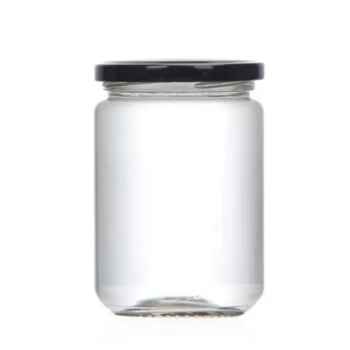
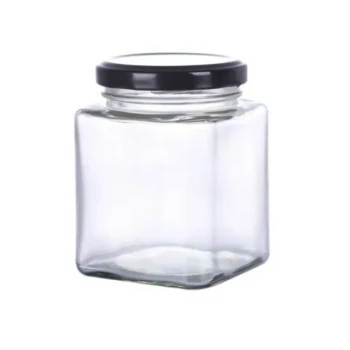
Sterile glass bottles are selected as the preferred container for long-term honey storage research primarily because of their absolute chemical inertness and superior airtight sealing capabilities. Unlike plastic or metal, glass effectively isolates the honey from external moisture and oxygen, ensuring that any observed changes in chemical composition are strictly internal.
The Core Insight
In scientific research, the container must not become a variable in the experiment. Glass is the standard because it ensures that fluctuations in critical quality markers—specifically Hydroxymethylfurfural (HMF) levels, pH values, and moisture content—are caused solely by the honey's natural evolution, not by reactions with the packaging or leakage from the outside environment.
Ensuring Data Integrity via Material Inertness
Eliminating Chemical Interference
The primary requirement for research is accuracy. Glass is non-reactive, meaning it does not leach chemicals into the honey or react with the honey’s acidic nature.
Traditional containers or plastics may interact with the honey over long periods, altering the chemical baseline. Glass guarantees that the sample remains chemically pure for analysis.
Preserving Volatile Components
Honey contains volatile compounds that contribute to its unique aroma and flavor. Glass barriers prevent these compounds from escaping.
This retention is vital for studies focusing on sensory quality or nutrient composition, ensuring the profile remains consistent with the original sample.
The Critical Role of the Airtight Seal
Isolating Moisture Fluctuations
Honey is hygroscopic, meaning it naturally absorbs moisture from the air. Glass containers provide a superior hermetic seal compared to most plastics.
This isolation is essential because even minor increases in water content can trigger fermentation. By locking out environmental moisture, researchers can accurately measure internal moisture shifts without external interference.
Preventing Microbial Contamination
For specific types of honey, such as stingless bee honey, which naturally has a higher water content, the risk of fermentation is significant.
Sterile glass bottles create a physical barrier against microbial contaminants. This allows researchers to study shelf life without relying on chemical preservatives to mask hygiene issues.
Variable Isolation for Accurate Measurement
Validating HMF and pH Metrics
Hydroxymethylfurfural (HMF) and pH are standard indicators of honey freshness and quality. These metrics naturally degrade or change over time due to temperature and aging.
If a container allows air exchange, oxidation accelerates these changes artificially. Glass restricts this, confirming that data points regarding diastase activity and HMF increases are the result of the storage temperature, not a failing container.
Understanding the Trade-offs
Fragility and Handling Risks
While chemically superior, glass presents logistical challenges due to its fragility.
In a research setting, a broken sample represents a loss of critical long-term data. Rigorous handling protocols are required to prevent physical loss of the experiment.
Light Sensitivity
Standard clear glass does not filter light. Exposure to UV or ambient light can degrade honey quality independent of the airtight seal.
To mitigate this, glass containers in research are typically stored in constant temperature control cabinets or dark environments to prevent light-induced chemical changes from skewing the data.
Making the Right Choice for Your Goal
Whether you are conducting rigorous scientific testing or simply storing high-value honey, the container material dictates the longevity of the product.
- If your primary focus is precise chemical analysis: Use sterile glass to ensure changes in HMF and pH are attributed solely to internal evolution.
- If your primary focus is preventing fermentation: Prioritize the airtight seal of glass to block moisture absorption, especially for high-moisture varieties like stingless bee honey.
- If your primary focus is sensory preservation: Rely on glass to lock in volatile aroma compounds that plastic might allow to dissipate.
By selecting sterile glass, you effectively remove the container as a variable, leaving you with pure, actionable data regarding the honey itself.
Summary Table:
| Feature | Glass Advantage | Impact on Research |
|---|---|---|
| Chemical Reactivity | Non-reactive / Inert | Eliminates sample contamination from the container. |
| Moisture Barrier | Superior Hermetic Seal | Prevents fermentation by blocking environmental humidity. |
| Aroma Retention | Blocks Volatiles | Preserves original sensory profiles for quality analysis. |
| Data Accuracy | Isolates Variables | Ensures HMF and pH changes are purely internal. |
Elevate Your Honey Quality with HONESTBEE
At HONESTBEE, we understand that whether you are conducting scientific research or scaling a commercial operation, the integrity of your product is paramount. As a leading provider for commercial apiaries and distributors, we offer a comprehensive wholesale range designed to protect your harvest.
From high-precision honey-filling machines to durable hardware and essential industry consumables, our solutions ensure your honey maintains its premium value from hive to bottle.
Partner with HONESTBEE to optimize your production:
- Expert Machinery: Specialized equipment for seamless filling and hive-making.
- Wholesale Tools: A full spectrum of beekeeping hardware for professional use.
- Industry Support: Catering to the unique needs of large-scale distributors.
Contact our specialists today to enhance your apiary's efficiency!
References
- Dema Dugda, Sudi Dawud. Effect of Storage Time on Honey Quality in Selected Districts of West Hararghe Zone, Oromia Regional State. DOI: 10.11648/j.aas.20251003.13
This article is also based on technical information from HonestBee Knowledge Base .
Related Products
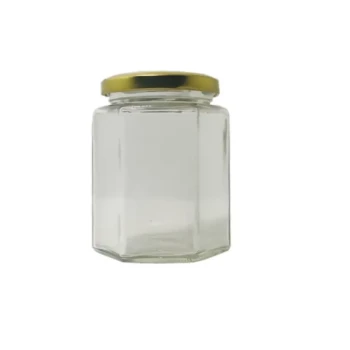
- Hexagonal Glass Honey Jars with Metal Lug Caps Elegant Versatile Packaging
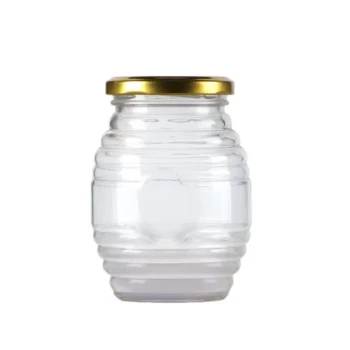
- Classic Glass Honey Jar with Metal Lug Cap for Beehive Storage
- Classic Drum Shaped Glass Honey Jar with Airtight Lid
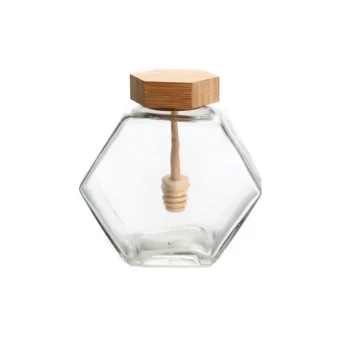
- Hexagonal Glass Honey Jar with Wooden Lid Integrated Dipper Elegant Functional Storage
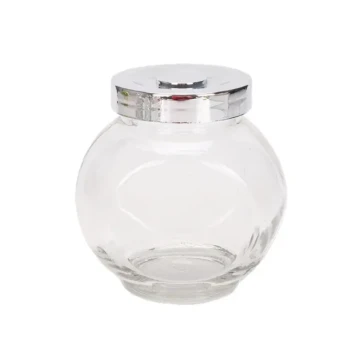
- Classic Round Glass Honey Jar with Lid
People Also Ask
- What is the aesthetic appeal of using glass jars for honey? Elevate Your Brand with Premium Packaging
- What are the logistical challenges associated with using glass jars for honey packaging? Navigating Weight & Fragility
- What are the advantages of glass containers for honey? Elevate Quality and Market Value with Premium Packaging
- What are the technical advantages of using glass jars for honey? Master Commercial Packaging for Premium Purity
- What are the advantages of using glass jars for honey packaging? Preserve Purity & Elevate Your Brand