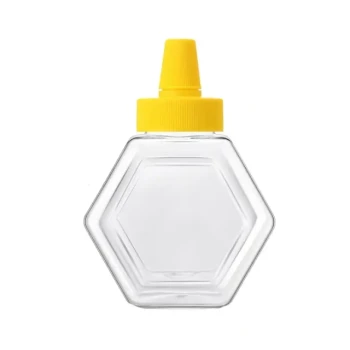
Sterilized glass bottles are the definitive standard for honey sampling because they create an isolated, chemically inert environment that eliminates experimental variables. By ensuring sterility and providing an impermeable barrier against moisture and atmospheric odors, these containers preserve the honey's original biological and chemical profile, ensuring that fermentation is not induced by external contaminants during storage or transport.
The necessity of sterilized glass lies in its ability to prevent "secondary contamination"—the introduction of external microbes or chemical reactions that would skew laboratory data. Without this safeguard, it is impossible to distinguish between the honey's inherent quality and artifacts introduced by the packaging itself.
Preserving Microbial Integrity
Eliminating External Contamination
The primary purpose of sterilization is to ensure the microbiological accuracy of the sample. Honey samples are frequently tested for hygiene quality indicators, such as total colony counts, molds, and yeast levels.
Ensuring Accurate Data
If a non-sterile container introduces bacteria during collection, the resulting data will falsely indicate poor apiary hygiene. Using a sterilized vessel guarantees that any microbial load detected in the lab reflects the original sanitary status of the honey, not the cleanliness of the jar.
Protecting Natural Bio-activity
Honey often possesses natural antifungal and antibacterial properties. To accurately measure this activity, the sample must remain free from environmental flora that could interfere with or mask the honey's natural components.
Chemical Stability and Barrier Properties
The Inert Nature of Glass
Honey contains organic acids which can potentially react with certain metals or lower-grade plastics. Glass is chemically inert, meaning it will not react with these acids or leach foreign substances into the sample, thereby preserving the honey's precise chemical indices for analysis.
Preventing Hygroscopic Spoilage
Honey is highly hygroscopic, meaning it naturally absorbs moisture from the surrounding air. If the water content rises too high, naturally occurring yeast will trigger fermentation, spoiling the sample. Glass offers a superior structural barrier that, when paired with a tight seal, isolates the honey from humidity.
Locking Out Environmental Odors
Honey easily absorbs external odors, which can ruin its sensory profile. Glass is impermeable to gas and odors, acting as a shield that locks in the original aroma while preventing the infiltration of environmental smells during transport.
Understanding the Trade-offs
Weight and Fragility
While glass provides superior chemical protection, it is heavier and more fragile than food-grade plastic. This makes distribution logistics more challenging and requires careful handling to prevent sample loss during transport.
Light Sensitivity
Clear glass allows for easy visual inspection of color and crystallization, which builds consumer trust. However, light can degrade certain properties of honey over time. To mitigate this, secondary packaging (such as opaque wraps or boxes) is often required to shield the glass bottle from light and temperature fluctuations.
Making the Right Choice for Your Goal
To ensure sample integrity, align your packaging choice with your specific objective:
- If your primary focus is Laboratory Analysis: Prioritize sterilized glass with clip-top or screw-on lids to ensure zero chemical interference and accurate microbial counts.
- If your primary focus is Commercial Appeal: Utilize high-transparency glass to allow consumers to inspect the color and texture, but ensure proper sealing to prevent fermentation.
- If your primary focus is Transport Stability: Consider secondary sealed packaging around the glass to protect against breakage, light exposure, and humidity shifts.
Ultimately, the choice of sterilized glass is a decision to prioritize the scientific validity and chemical purity of the honey above all other factors.
Summary Table:
| Feature | Benefit for Honey Sampling | Impact on Quality |
|---|---|---|
| Sterility | Eliminates external microbes | Ensures accurate microbial data |
| Chemical Inertness | Prevents reactions with organic acids | Preserves chemical profile |
| Gas Impermeability | Blocks moisture and odors | Prevents fermentation & taint |
| Transparency | Enables visual inspection | Facilitates color & crystallization checks |
| Structural Barrier | Isolates sample from humidity | Maintains natural water content |
Elevate Your Honey Quality Standards with HONESTBEE
At HONESTBEE, we understand that the integrity of your honey samples is paramount to your success as a commercial apiary or distributor. We specialize in providing the professional tools you need to maintain excellence, from high-precision honey-filling machines to durable, wholesale beekeeping equipment and industry-grade consumables.
Whether you are scaling up production or looking for specialized hardware to ensure the purity of your harvest, our team is dedicated to supporting your growth with reliable, high-performance solutions. Let us help you optimize your operation and protect your liquid gold.
Contact HONESTBEE Today for Your Wholesale Needs
References
- Paulo Wender Portal Gomes, Luiza Helena da Silva Martins. Application of multivariate statistical on quality of amazon honey from Apis sp. vs Melipona sp. DOI: 10.14808/sci.plena.2019.124201
This article is also based on technical information from HonestBee Knowledge Base .
Related Products
People Also Ask
- What are the benefits of squeeze bottles for honey packaging? Unlock Mess-Free Convenience & Control
- How do honey bottles contribute to the preservation of honey products? Secure Quality and Commercial Value
- What are the features of honey bottles? Design for Convenience & Long-Term Preservation
- How should honey bottles be prepared before pouring honey into them? The #1 Rule for Honey Longevity
- What are the features and benefits of using honey bottles for packaging? Optimize Preservation and Consumer Experience