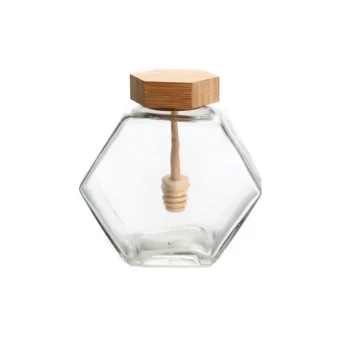
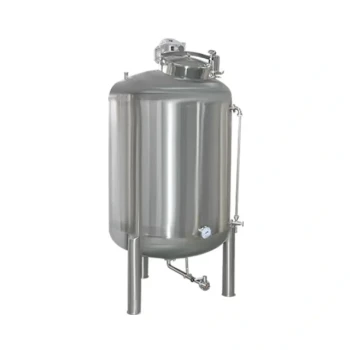
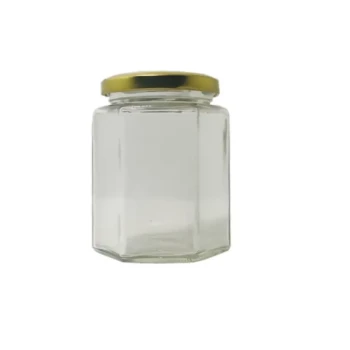
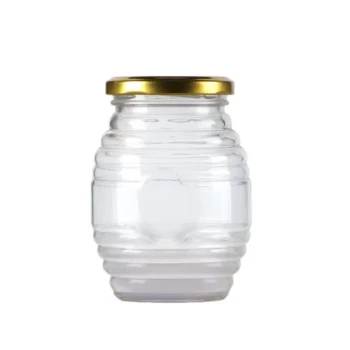
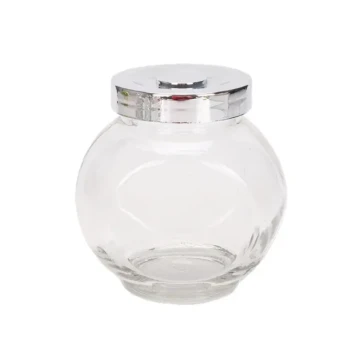
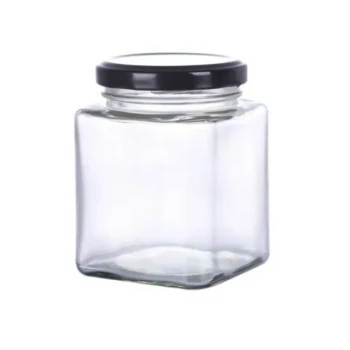
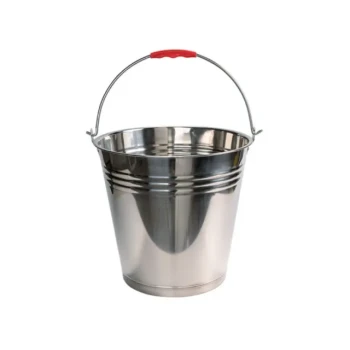
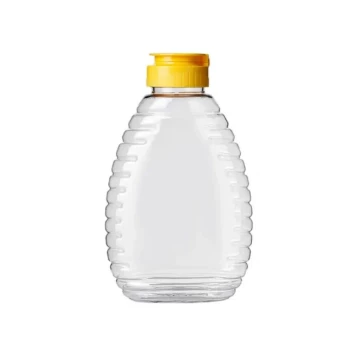
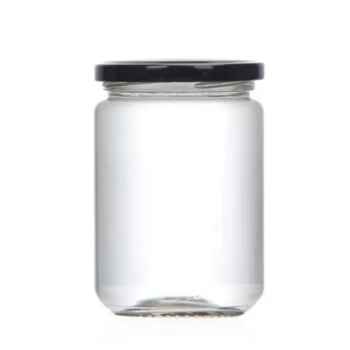
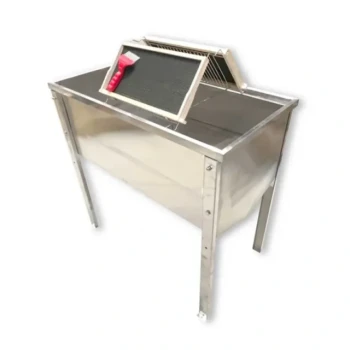
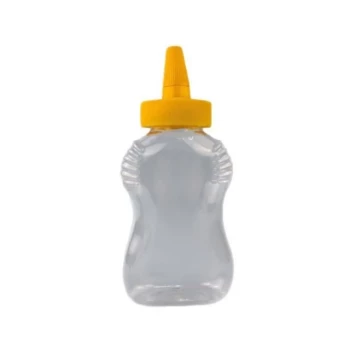
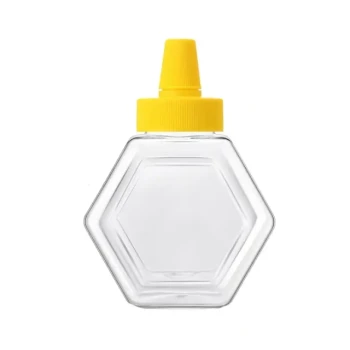
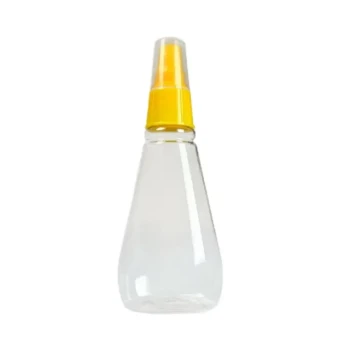
High-quality storage containers act as the primary defense system for honey during post-harvest processing. They provide superior airtight sealing and chemical stability, which are essential for blocking moisture absorption and preventing the fermentation that destroys product value. By isolating the honey from external contaminants and odors, these containers ensure the preservation of active enzymes and antioxidants, directly influencing whether the final product meets the strict compliance indicators required for premium markets.
The core function of a professional storage container extends beyond simple containment; it is an active preservation tool. By creating a chemically inert and moisture-proof environment, these containers stabilize the honey's physical and chemical properties, ensuring that the product's medicinal value and sensory profile remain identical to the moment of extraction.
Combatting Honey's Natural Vulnerabilities
Controlling Hygroscopic Activity
Honey is naturally hygroscopic, meaning it aggressively absorbs moisture from the surrounding air. If the water content rises above specific levels, dormant yeasts within the honey activate, leading to fermentation and spoilage.
High-quality containers mitigate this by providing a hermetic (airtight) seal. This barrier physically stops atmospheric moisture from entering the vessel, which is the primary method for maintaining shelf stability from the production site to the consumer.
Ensuring Chemical Stability
Professional containers are manufactured from food-grade, chemically inert materials. Unlike lower-quality options or traditional vessels like clay pots, these materials do not react with the acidic nature of honey.
This stability prevents the leaching of foreign chemicals into the product. It ensures that the container itself does not alter the honey's composition or introduce safety hazards that would cause the product to fail regulatory testing.
Blocking Odor Contamination
Honey easily absorbs strong odors from its environment, which can mask its natural bouquet and ruin its market appeal.
Premium containers function as an isolation chamber, blocking external aromatic compounds. This is critical for logistics, where honey might be stored near other goods or fuel during transport, ensuring the natural aroma profile remains untainted.
Preserving the "Living" Attributes of Honey
Protecting Active Enzymes and Antioxidants
For honey to be sold in premium or medicinal markets, it must retain its biological activity.
High-quality containers protect sensitive compounds, such as active enzymes and antioxidants, from degradation. By maintaining a stable internal environment, these containers prevent the chemical breakdown that occurs when honey is exposed to fluctuating humidity or contaminants.
Special Considerations for High-Moisture Varieties
Certain varieties, such as stingless bee honey, naturally possess a higher moisture content and a richer enzyme profile, making them significantly more volatile.
For these varieties, professional sealing is not optional but vital. Specialized containers for these types provide an enhanced moisture-proof barrier to inhibit the rapid growth of fermentation-inducing microorganisms that target high-moisture liquids.
Common Pitfalls to Avoid
While selecting high-quality containers is essential, reliance on hardware alone has limitations.
Seal integrity is often the failure point; even a food-grade container is useless if the gasket or lid mechanism is compromised. Operators must regularly inspect seals for wear.
Additionally, material opacity is a trade-off. While clear containers allow for visual inspection, they offer no protection against light, which can degrade honey quality over time. Opaque or UV-blocking high-quality containers are superior for long-term storage but require stricter inventory management protocols since you cannot see the product inside.
Making the Right Choice for Your Goal
To maximize the value of your honey processing, align your container choice with your specific market objectives:
- If your primary focus is the premium medicinal market: Prioritize containers with certified chemical inertness and hermetic seals to maximize enzyme retention and antioxidant stability.
- If your primary focus is stingless bee honey: Select specialized vessels designed for high-moisture liquids to prevent immediate fermentation and spoilage.
- If your primary focus is large-scale logistics: Choose industrial-grade hardware that balances airtight sealing with physical durability to withstand long-distance transport without compromising the seal.
Invest in the container that protects the most volatile aspect of your specific product, as the container is the final guardian of your harvest's quality.
Summary Table:
| Feature | Protection Benefit | Impact on Honey Quality |
|---|---|---|
| Hermetic Sealing | Blocks atmospheric moisture | Prevents fermentation & spoilage |
| Food-Grade Material | Chemical inertness | Maintains purity & regulatory compliance |
| Aromatic Barrier | Blocks external odors | Preserves natural flavor & bouquet |
| Opaque Construction | UV/Light protection | Prevents degradation of active enzymes |
| Specialized Design | High-moisture containment | Crucial for volatile types like stingless bee honey |
Elevate Your Honey Production with HONESTBEE
Protecting the integrity of your harvest is essential for reaching premium markets. HONESTBEE provides professional-grade storage solutions and beekeeping equipment designed to maintain the highest standards of honey quality.
Why Partner with HONESTBEE?
- Comprehensive Wholesale Catalog: From food-grade storage containers to hive-making and honey-filling machinery.
- Built for Professionals: We cater specifically to commercial apiaries and distributors seeking reliable, industry-standard hardware.
- End-to-End Solutions: We supply everything from essential consumables to honey-themed cultural merchandise to help grow your brand.
Don't let poor storage compromise your value. Contact HONESTBEE today to discover how our specialized tools and equipment can streamline your operations and safeguard your honey's medicinal properties.
References
- Department of Entomology, Agriculture and Forestry University, Chitwan, (44209) Rampur, Chitwan, Bharatpur municipality, Nepal., Prava Dawadi. OPPORTUNITIES OF BEEKEEPING IN KANCHANPUR DISTRICT OF NEPAL. DOI: 10.26480/mahj.01.2025.33.35
This article is also based on technical information from HonestBee Knowledge Base .
Related Products
- Stainless Steel Honey Storage Tank with Lid for Honey
- Stainless Steel Honey Storage and Settling Tank with Double Strainer
- Hexagonal Glass Honey Jar with Wooden Lid Integrated Dipper Elegant Functional Storage
- Professional Honey Storage Tank with Agitation System
- Hexagonal Glass Honey Jars with Metal Lug Caps Elegant Versatile Packaging
People Also Ask
- What economic role do honey storage tanks play? Boost Your Revenue Through Strategic Inventory Management
- What roles do industrial honey storage tanks and filtration meshes play in processing? Ensure Purity & Consistency
- What is the purpose of a honey storage tank? Streamline Your Honey Processing for Quality & Efficiency
- What are honey storage tanks used for? Essential Features for Quality Preservation and Profit
- How do large honey storage tanks and gravity fall filling systems improve honey packaging efficiency and safety?