Traditional softwoods like poplar, alder, and linden create a critical preservation risk because their fibers actively interact with the moisture content of the honey. This interaction destabilizes the structural integrity of the barrel, causing the wood to dry out and eventually fracture, which makes long-term storage impossible.
The Core Insight The porous nature of these specific woods leads to a destructive moisture exchange that causes barrel staves to shrink and crack. This failure mechanism prevents an airtight seal, leading to inevitable leakage and exposing the honey to external contaminants, rendering these materials obsolete compared to modern non-absorbent alternatives.
The Mechanics of Failure
To understand why these traditional materials have been abandoned, we must look at how the wood physically reacts to the honey it holds.
Moisture Transfer and Instability
The fundamental problem lies in the porosity of poplar, alder, and linden. Wood fibers in these species absorb moisture directly from the honey. While one might expect absorption to cause swelling, the primary reference indicates a destabilizing effect where this process eventually causes the wood to dry out.
Structural Cracking
As the wood dries and loses its internal moisture balance, it loses volume. This shrinkage creates significant stress on the barrel's geometry. Cracks begin to form along the grain and at the joints between staves, compromising the container's physical unity.
The Leakage Pathway
Honey is a viscous fluid that will find any escape route. Once the wood dries and cracks appear, the barrel loses its ability to contain the liquid. This leads to leakage, resulting in direct product loss and a messy, unstable storage environment.
The Modern Storage Standard
Modern beekeeping has moved away from these woods to solve the specific failures of absorption and sealing.
Non-Absorbent Surfaces
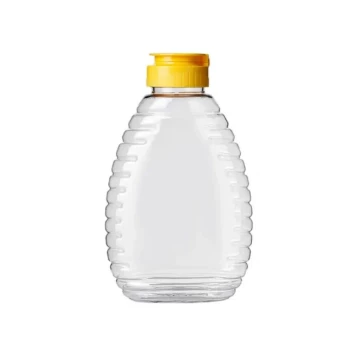
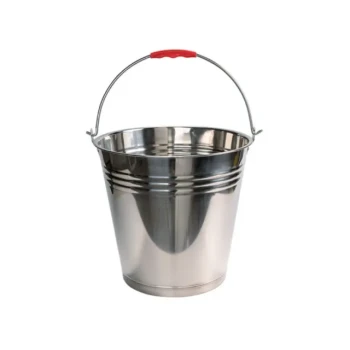
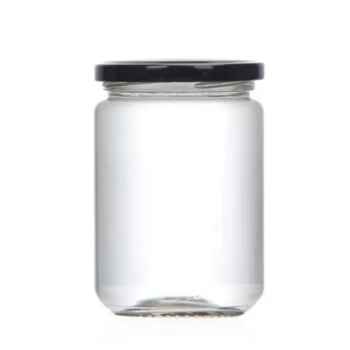
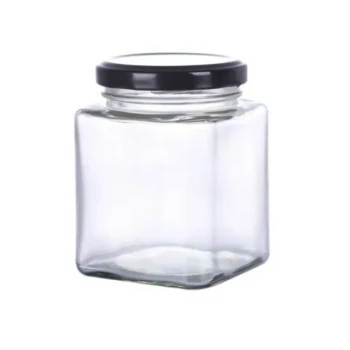
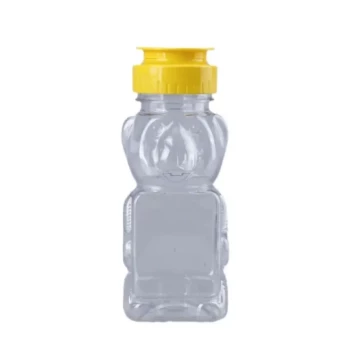
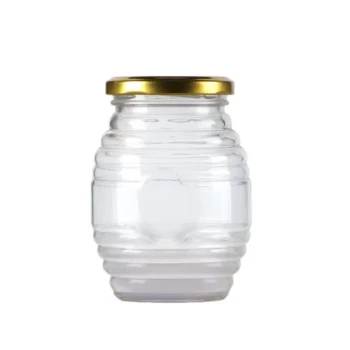
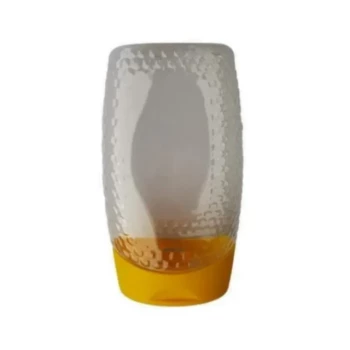
Current industry standards prioritize specialized containers made of non-absorbent materials. By eliminating the porous surface, the moisture dynamics of the honey remain stable, and the container does not degrade over time.
Airtight Integrity
Unlike wooden barrels which shift and crack, modern containers maintain a static shape. This allows for airtight sealing, which is the single most important factor for maintaining the long-term quality and freshness of the honey.
Common Pitfalls to Avoid
When selecting storage vessels, it is easy to be swayed by tradition or aesthetics. However, relying on these specific wooden materials introduces severe functional trade-offs.
The "Natural" Trap
You might assume that because honey is a natural product, it should be stored in natural, untreated wood like linden or alder. This is a technical error. The chemical interaction between the honey's moisture and the wood's fibers is destructive, not symbiotic.
Overlooking the Seal
Focusing on the container's material often leads to overlooking the seal mechanism. A wooden barrel that cracks cannot be sealed airtight. Without an airtight seal, you risk not only leakage but also moisture ingress from the atmosphere (if humidity is high) or fermentation, regardless of the container's beauty.
Making the Right Choice for Your Goal
The transition from wooden barrels to modern containers is driven by the need for reliability. Here is how to apply this to your storage strategy:
- If your primary focus is long-term preservation: Prioritize non-absorbent, food-grade materials that guarantee an airtight seal to prevent moisture migration.
- If your primary focus is traditional aesthetics: Understand that using poplar, alder, or linden barrels will require lining or treatment to prevent the wood from drying out and leaking.
Ultimately, the vessel must be inert to protect the honey; if the container interacts with the contents, the storage has failed.
Summary Table:
| Feature | Traditional Wood (Poplar/Alder/Linden) | Modern Storage Containers |
|---|---|---|
| Material Porosity | High (Absorbs moisture from honey) | Non-absorbent / Inert |
| Structural Integrity | Prone to drying, shrinking, and cracking | Rigid and dimensionally stable |
| Sealing Capability | Poor (Loses airtightness over time) | High-performance airtight seals |
| Leakage Risk | High due to stave separation | Minimal / Zero leakage |
| Honey Quality | High risk of contamination & fermentation | Long-term freshness preservation |
Elevate Your Apiary's Efficiency with HONESTBEE
Transitioning from traditional methods to modern efficiency requires the right tools. HONESTBEE empowers commercial apiaries and global distributors with professional-grade solutions. From high-precision honey-filling machines and automated hive-making hardware to a comprehensive range of beekeeping tools and consumables, we provide the industrial-strength equipment you need to eliminate waste and maximize product quality.
Ready to scale your honey production or distribution business? Contact us today to discuss our wholesale offerings and discover how our expertise can streamline your operations.
References
- Gurgen Khachaturov. Beekeeping in Russia today. DOI: 10.1080/0005772x.2010.11417343
This article is also based on technical information from HonestBee Knowledge Base .
Related Products
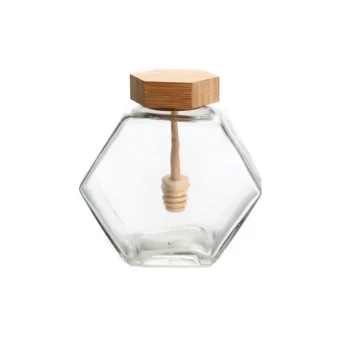
- Hexagonal Glass Honey Jar with Wooden Lid Integrated Dipper Elegant Functional Storage
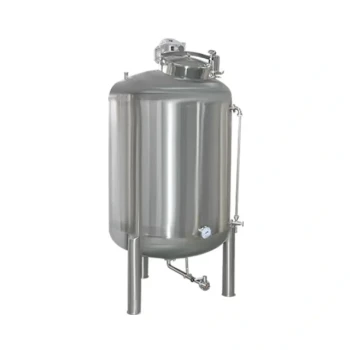
- Stainless Steel Honey Storage Tank with Lid for Honey
- Stainless Steel Honey Storage and Settling Tank with Double Strainer
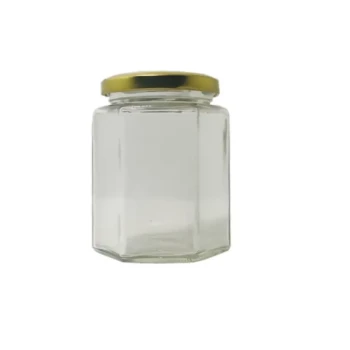
- Hexagonal Glass Honey Jars with Metal Lug Caps Elegant Versatile Packaging
- Professional Honey Storage Tank with Agitation System
People Also Ask
- What are the benefits of glass jars regarding strength and safety for storing honey? Ensure Purity and Long-Term Quality
- What are the advantages of using glass jars for honey storage? Ensure Purity and Premium Appeal for Your Product
- What is the aesthetic appeal of using glass jars for honey? Elevate Your Brand with Premium Packaging
- What are the advantages of glass containers for honey? Elevate Quality and Market Value with Premium Packaging
- What are the benefits of using high-transparency Glass Jars for honey? Elevate Purity and Premium Branding