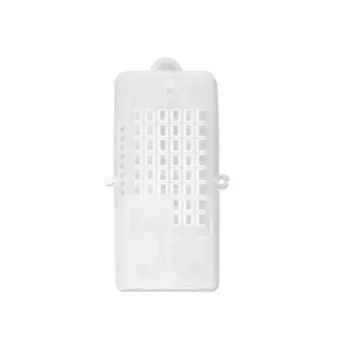
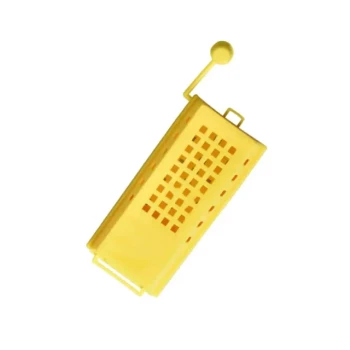
Transparent acrylic cages serve as a critical tool for ensuring data integrity in honeybee research. They are primarily chosen because they allow for the real-time observation of activity and feeding behaviors without requiring physical interaction with the bees. Furthermore, the material offers high chemical stability for easy disinfection, while the cage design facilitates the precise, non-invasive delivery of diet and supplements.
Core Takeaway To study physiological changes like gland development, you must eliminate environmental variables and stress. Transparent acrylic cages solve this by providing a sterile, chemically stable environment that allows for visual monitoring and precise nutritional control without disrupting the colony's internal microenvironment.
The Necessity of Non-Invasive Observation
Real-Time Behavioral Tracking
Researching gland development requires correlating physiological changes with external behaviors. Transparent acrylic allows researchers to witness these behaviors and feeding patterns instantly.
Minimizing Experimental Disturbance
Standard hive inspections disrupt the colony and alter the internal microenvironment. By using transparent walls, you can monitor the bees without dismantling the enclosure, preserving the natural authenticity of the data.
Reducing Stress-Induced Variables
Handling bees causes stress, which can physiologically alter gland development and skew results. Transparent cages eliminate the need for frequent opening, thereby preventing stress-induced interference.
Control and Precision in Feeding
Accuracy via Top-Entry Ports
Gland development is often directly tied to nutrition. These cages feature precision top-entry ports designed for syringe usage.
Maintaining Experimental Integrity
This design allows you to deliver water, feed, and nutritional supplements with exact measurements. Because you do not need to open the cage to feed them, you ensure that every subject receives the specific dosage required for the experiment.
Environmental Stability and Hygiene
High Chemical Stability
Laboratory environments require rigorous sanitation to prevent disease, which would ruin a biological study. Acrylic cages are chemically stable, making them easy to disinfect thoroughly between trials.
Regulated Micro-Climate
Proper airflow is vital for bee health, but open airflow risks escape or contamination. These cages utilize micro-perforated ventilation to ensure necessary air exchange while keeping the subjects contained and secure.
Operational Considerations and Trade-offs
The Limit of Natural Behavior
While excellent for controlled physiological studies, a small acrylic cage is not a full hive. It restricts the bees' range of movement more than a larger glass-windowed observation hive would, potentially impacting complex social behaviors.
Maintenance of Optics
While acrylic is durable, it is susceptible to scratching during cleaning. Over time, surface abrasions can reduce optical clarity, making the minute observation of gland-related behaviors more difficult.
Optimizing Your Experimental Setup
To ensure your research yields valid conclusions, align your equipment choice with your specific variables.
- If your primary focus is nutritional impact on physiology: Prioritize the acrylic cages for their syringe ports, which allow for the exact dosing of specific nutrients.
- If your primary focus is strictly behavioral observation: Consider larger glass observation hives to allow for broader movement and social interaction tracking.
The goal is to create a window into the biological process that is as clear and unobtrusive as the material itself.
Summary Table:
| Feature | Benefit for Gland Research |
|---|---|
| High Transparency | Enables real-time observation of feeding and behavior without disturbing the bees. |
| Top-Entry Ports | Allows for precise, syringe-based delivery of nutritional supplements and diets. |
| Chemical Stability | Facilitates rigorous disinfection to maintain a sterile experimental environment. |
| Micro-Perforated Ventilation | Ensures vital air exchange while preventing escape or external contamination. |
| Stress Reduction | Minimizes physical handling, preventing physiological skews in gland development data. |
Elevate Your Apiary and Research Standards with HONESTBEE
At HONESTBEE, we understand that precision is the backbone of successful commercial beekeeping and scientific research. As a premier partner for commercial apiaries and distributors, we provide a comprehensive wholesale catalog designed to meet every industry need. From high-precision laboratory tools and specialized machinery like hive-making and honey-filling units to a full spectrum of essential consumables, we empower your operations with durability and innovation.
Whether you are scaling a commercial venture or supplying the next generation of researchers, our portfolio of beekeeping hardware and honey-themed cultural merchandise offers unmatched value. Contact us today to discuss your wholesale requirements and let HONESTBEE supply the tools for your success.
References
- Xue Wang, Yazhou Zhao. Consumption of Citric Acid by Bees Promotes the Gland Development and Enhances Royal Jelly Quality. DOI: 10.3390/life14030340
This article is also based on technical information from HonestBee Knowledge Base .
Related Products
- Acrylic Lid Beekeeping Honey Extractor for Beekeepers
- Transparent Plastic Bee Catcher Queen Marker Tube Cage Beekeeping Tool Equipment
- Durable Plastic Push In Queen Bee Cage
- Plastic Long Marker Device for Catching and Marking Bees Queen Bee Marking Tube and Cage
- Twin Queen Styrofoam Honey Bee Nucs Mating and Breeding Box
People Also Ask
- How are industrial weighing equipment and honey extractors utilized together? Master Precise Honey Yield Measurement
- How fast should I spin my honey extractor? Master the 3-Step Process to Protect Your Comb
- How should new honey extracting equipment be prepared before its first use? Essential Cleaning Guide for Beekeepers
- What are the basic steps for extracting honey from frames? Master the Art of Efficient Beekeeping Extraction
- How long does it take to extract honey with an extractor? Plan Your Harvest for Maximum Efficiency