The integration of industrial weighing equipment and honey extractors provides a precise method for calculating net yield. To determine production volume, the gross weight of a honey-filled super is first recorded using industrial scales. The super is then processed through a centrifugal extractor to remove the honey, and the empty super is weighed again to calculate the exact mass of the harvest through the weight differential.
By isolating the weight of the honey through a "weigh-extract-weigh" protocol, beekeepers generate critical data points. This precision allows for the objective evaluation of colony performance and the economic assessment of queen rearing programs.
The Measurement Workflow
Establishing Gross Weight
The process begins by placing the entire honey-filled super onto industrial weighing equipment. This initial measurement captures the combined mass of the wooden ware, frames, wax, and the honey itself.
The Extraction Phase
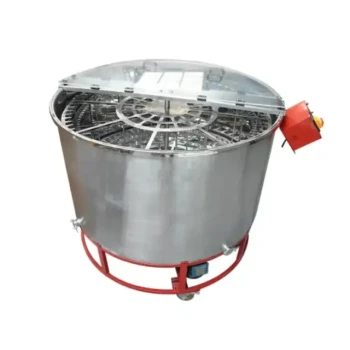
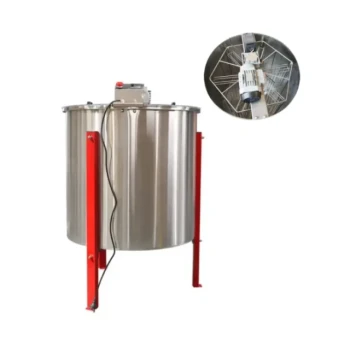
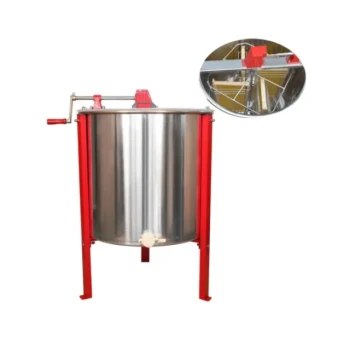
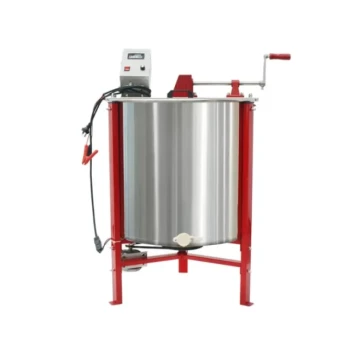
Once the initial weight is recorded, the frames are placed into a honey extractor. This machinery utilizes high-speed centrifugal force to separate the liquid honey from the comb. This mechanical force ensures the thorough removal of the product from the wax cells.
Calculating Net Yield
After the extraction process is complete, the empty super is returned to the scale. By subtracting this final weight from the initial gross weight, operators derive the net honey yield. This specific metric isolates the production output of a single colony.
The Strategic Value of Data
Quantifying Colony Efficiency
This measurement method transforms raw production into actionable data. It provides a concrete metric to judge the success of a colony's season beyond visual estimates.
Economic Evaluation of Queen Rearing
The primary utility of this data is measuring the economic value of breeding decisions. By correlating net honey weights with specific genetic lines, apiarists can objectively evaluate the efficiency of their queen rearing processes.
Operational Considerations and Trade-offs
Mechanical Surface Contact
While centrifugal extractors are efficient, they significantly increase the contact area between the honey and the machinery surfaces. This interaction is necessary for extraction but introduces variables regarding product purity.
Risks of Secondary Contamination
If equipment is not rigorously maintained, residual microbial films can persist on internal surfaces. This creates a source for secondary contamination, potentially leading to higher total colony counts in processed honey compared to natural comb honey.
The Necessity of Sanitary Design
To mitigate these risks, the structural design of the extractor is paramount. Equipment must be selected not just for speed, but for how easily it facilitates thorough cleaning and disinfection to maintain product quality.
Making the Right Choice for Your Goal
To maximize the value of your equipment, align your protocol with your specific objectives:
- If your primary focus is Genetic Selection: Prioritize the accuracy of your scales to detect subtle yield differences between queen lines for better breeding decisions.
- If your primary focus is Product Quality: Focus on the sanitary design of your extractor to prevent microbial biofilm buildup and ensure the safety of the harvested honey.
Precision in measurement combined with rigorous sanitation turns simple extraction into a powerful tool for apiary management.
Summary Table:
| Process Stage | Equipment Used | Key Metric Captured | Purpose |
|---|---|---|---|
| Pre-Extraction | Industrial Weighing Scale | Gross Weight | Captures weight of super, frames, wax, and honey. |
| Extraction | Centrifugal Honey Extractor | Centrifugal Force | Separates liquid honey from wax cells mechanically. |
| Post-Extraction | Industrial Weighing Scale | Tare/Empty Weight | Captures weight of equipment after honey removal. |
| Data Analysis | Calculation (Gross - Tare) | Net Honey Yield | Evaluates queen genetics and colony productivity. |
Elevate Your Commercial Apiary with HONESTBEE
At HONESTBEE, we specialize in empowering commercial apiaries and distributors with the precision tools necessary for data-driven beekeeping. From high-capacity honey-filling machines and durable centrifugal extractors to advanced hive-making machinery, our comprehensive wholesale portfolio covers the full spectrum of industry needs.
By partnering with us, you gain access to:
- Precision Engineering: Equipment designed to optimize net yield calculations and genetic breeding programs.
- Sanitary Excellence: Extractors built for easy disinfection to prevent microbial contamination.
- Wholesale Efficiency: A one-stop shop for all beekeeping hardware and essential consumables.
Ready to scale your production and refine your apiary management? Contact our expert team today to discover how HONESTBEE can streamline your operations.
References
- Ali Mahbobi, Ahmad Malakzadegan. The Effects of Age of Grafted Larvae and of Supplemental Feeding on Performance of Iranian Honey Bee Colonies (Apis Mellifera Meda). DOI: 10.2478/jas-2014-0011
This article is also based on technical information from HonestBee Knowledge Base .
Related Products
- HONESTBEE 72 Frame Industrial Electric Honey Extractor for Beekeeping
- Commercial Electric 12 Frame Honey Extractor Spinner Motorized Honey Extractor
- HONESTBEE 3-Frame Manual Acrylic Honey Extractor
- electric honey extractor honey centrifuge 3 frame honey extractor stainless steel honey frame extractor
- HONESTBEE 6 Frame Self Reversing Electric Honey Extractor for Beekeeping
People Also Ask
- What is the importance of balancing honeycomb frames within a honey extractor? Ensure Stability and Protect Machinery
- How is honey separated from the frames after they are uncapped? Efficient Extraction Methods for High Yields
- What are the main benefits of using a honey extractor? Maximize Yields and Protect Your Honeycomb
- What are the recommended methods for removing honey from the honeycomb? Top Extraction Techniques for Maximum Efficiency
- How do manual honey extractors compare to electric honey extractors? Choosing the Right Tool for Your Apiary Growth