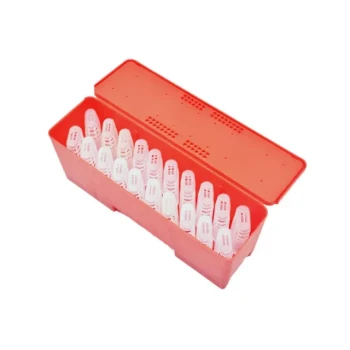
Ventilated plastic containers and sugar powder feed are strictly employed to maintain the vitality of honeybees, which is the single most critical factor in preserving RNA quality for molecular analysis. By keeping the bees alive and actively metabolizing, these tools prevent the immediate degradation of genetic material that occurs upon death.
Core Insight: The method of transport dictates the quality of the data. Keeping honeybees alive is not merely for observation; it is a biological prerequisite for obtaining non-degraded RNA, which guarantees the accuracy of virus titer monitoring and immune response studies.
The Critical Link Between Vitality and Data Quality
Preventing RNA Degradation
The primary goal of using specific transport gear is to ensure honeybees arrive at the laboratory alive. When a bee dies, its internal biological processes break down immediately.
Ensuring Accurate Virus Monitoring
This breakdown leads to the degradation of RNA. Since high-quality, non-degraded RNA is required to measure virus titers accurately, the survival of the bee is directly linked to the validity of the lab results.
The Role of Ventilation and Environment
Managing Respiration Byproducts
Honeybees generate heat and carbon dioxide through respiration, especially when confined. Well-ventilated containers facilitate air circulation, preventing the lethal accumulation of CO2 and heat.
Reducing Physiological Stress
Beyond simple survival, airflow is vital for regulating the bee's stress response. High stress levels during transport can alter physiological activity, which compromises the accuracy of subsequent immune challenge experiments.
Visual Verification
Plastic containers, typically transparent or translucent, offer a practical operational advantage. They allow laboratory personnel to observe the condition of the samples without breaching the container, ensuring only active, representative samples are selected for testing.
The Function of Sugar Powder Feed
Sustaining Metabolism
Small tubes containing sugar powder feed provide the necessary energy source for long-distance travel. This feed maintains the bee's vitality without the risks associated with liquid feeds, such as spilling or drowning.
Risks and Common Pitfalls
The "Hidden" Damage of Stress
A common mistake is assuming that if the bee arrives alive, the sample is perfect. However, poor ventilation can cause non-lethal stress that skews survival analyses and immune system data, even if the bee technically survives the trip.
Oxygen Deprivation
Using non-perforated lids is a critical failure point. It leads to rapid oxygen deprivation, resulting in total sample loss and rendering the collection effort a waste of resources.
Making the Right Choice for Your Goal
To ensure your data withstands scrutiny, align your transport method with your specific analytical focus:
- If your primary focus is Virus Titer Monitoring: Prioritize the sugar powder feed and survival, as live bees are the only source of non-degraded RNA.
- If your primary focus is Immune Challenge Experiments: Prioritize maximum ventilation, as reducing transport stress is essential to establishing a valid physiological baseline.
The quality of your laboratory results is determined the moment you seal the transport container.
Summary Table:
| Feature | Transport Tool | Primary Purpose for Honeybees |
|---|---|---|
| Vitality | Sugar Powder Feed | Sustains metabolism and energy without drowning risks. |
| Respiration | Ventilated Containers | Prevents CO2 accumulation and lethal heat buildup. |
| RNA Integrity | Live Transport | Prevents immediate genetic degradation occurring at death. |
| Data Accuracy | Transparent Plastic | Allows visual health monitoring for selection of valid samples. |
| Stress Control | Airflow Management | Minimizes physiological shifts for immune challenge studies. |
Maximize Your Colony Health and Research Precision with HONESTBEE
At HONESTBEE, we understand that the success of commercial apiaries and distributors hinges on the quality of their equipment and the health of their bees. Whether you are conducting critical immune research or scaling up honey production, our comprehensive wholesale portfolio provides the tools you need to succeed.
From professional-grade hive-making and honey-filling machinery to essential consumables and honey-themed merchandise, we supply everything required to maintain a high-performance beekeeping operation. Let us help you safeguard your samples and optimize your yield with our industry-leading solutions.
Ready to upgrade your apiary’s efficiency?
References
- Roy Mathew Francis, Per Kryger. Varroa-Virus Interaction in Collapsing Honey Bee Colonies. DOI: 10.1371/journal.pone.0057540
This article is also based on technical information from HonestBee Knowledge Base .
Related Products
- Plastic Transporting Bee Packages and Nuc Boxes for Beekeeping
- JZBZ Style Professional Battery Box with 20 Shipping Cages
- Squeezable No-Drip Beehive-Shaped Honey Jars with Flip-Top Cap
- Food Grade Plastic Honey Bucket Pail for Beekeeping
- Classic Beehive Honey Bottle Jar with Squeeze Dispenser Lid
People Also Ask
- What role do bee package boxes play in the commercial transport and expansion of honeybee colonies? - Logistic Essentials
- What are beekeeping boxes called? A Guide to Hive Bodies and Box Types
- How do standardized bee packages serve as a recovery mechanism for commercial beekeeping? Ensure Business Continuity
- What is the commercial value of using standardized bee packages? Drive Scalability in Large-Scale Apiaries
- Why is the timely introduction of high-quality bee packages critical? Save Your Apiary from Asian Hornet Invasions