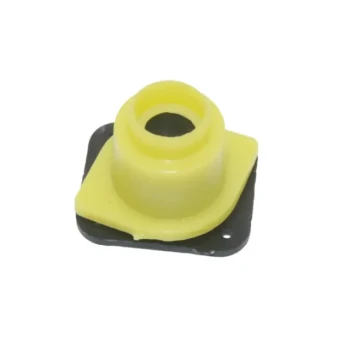
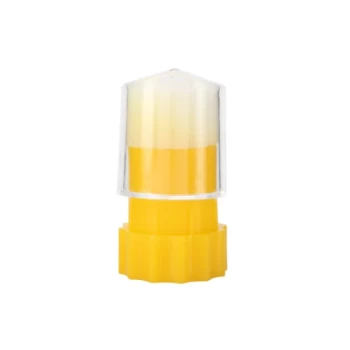
Vertical Plastic Queen Cups are essential because they replicate the specific physical and gravitational conditions required to trigger the biological development of a queen bee. By strictly enforcing a vertical, downward-facing orientation and providing a larger internal volume, these cups force the larva to develop the queen phenotype rather than that of a worker. This structure ensures the larva receives the specific environmental signals necessary to activate queen-specific genetic pathways.
Core Takeaway: The geometry of the rearing cell dictates the destiny of the bee. Plastic Queen Cups provide the critical vertical orientation and increased spatial capacity that compel nurse bees to provision larvae with excess royal jelly, activating the signaling pathways that drive queen differentiation.
The Biology of Caste Differentiation
Simulating the Natural Environment
In nature, bees construct specialized cells for rearing queens that differ significantly from standard worker cells. Plastic Queen Cups are engineered to simulate this natural physical environment.
To the colony, the cup is not just a container; it is a signal. The design mimics the wax structures bees naturally build in the brood nest, validating the larva inside as a candidate for royalty.
The Role of Gravity and Orientation
A critical differentiator in queen development is gravity. Unlike worker larvae, which develop in horizontal cells, queen larvae require a vertical orientation.
Plastic cups hold the larva in a downward-facing position. The primary reference indicates that this orientation provides specific gravitational signals that help induce the larva to develop toward the queen phenotype.
Mechanisms of Development
Facilitating Royal Jelly Consumption
The physical dimensions of the cup directly influence feeding behavior. The large internal capacity of the cup allows for the accumulation of massive amounts of food.
This volume ensures the larvae can consume excess royal jelly. This is not merely nutrition; it is the biochemical trigger that separates a queen from a worker.
Activating Genetic Pathways
The combination of vertical orientation and high-volume feeding does more than sustain the larva; it changes its biology.
These environmental factors activate specific signaling pathways within the developing bee. Without the spatial volume and vertical cues provided by the cup, these pathways would remain dormant, and the larva would likely develop into a worker.
The Critical Distinction: Vertical vs. Horizontal
It is vital to understand why standard equipment cannot be used for this process. This section highlights the "trade-off" of geometry: you cannot achieve queen results with worker architecture.
Spatial Limitations of Worker Cells
Standard worker cells are horizontal and compact. They lack the spatial volume required to hold the amount of royal jelly a developing queen needs.
The Failure of Horizontal Signals
Developing a larva in a horizontal position triggers the "worker" developmental program.
Plastic Queen Cups are essential because they override this default program. They replace the horizontal, constricted environment of a worker cell with the vertical, spacious environment required for queen biology.
Making the Right Choice for Your Goal
To ensure successful queen rearing, you must align your equipment with the biological imperatives of the colony.
- If your primary focus is Queen Rearing Success: Use vertical cups to guarantee the gravitational and spatial cues necessary to trigger the queen phenotype.
- If your primary focus is Biological Consistency: Rely on the standardized dimensions of plastic cups to ensure every larva receives identical developmental signals, eliminating the variability of natural wax construction.
Ultimately, the vertical Plastic Queen Cup is not just a vessel, but a biological switch that turns a generic larva into a colony's future queen.
Summary Table:
| Feature | Worker Cell (Horizontal) | Plastic Queen Cup (Vertical) |
|---|---|---|
| Orientation | Horizontal | Vertical (Downward-facing) |
| Internal Volume | Constricted / Small | Large / High Capacity |
| Feeding Method | Controlled provisioning | Excess Royal Jelly accumulation |
| Biological Signal | Develops Worker phenotype | Activates Queen-specific pathways |
| Key Outcome | Default colony labor | Colony leadership and reproduction |
Elevate Your Apiary's Productivity with HONESTBEE
High-quality queen rearing starts with the right equipment. At HONESTBEE, we specialize in supporting commercial apiaries and distributors by providing a comprehensive range of professional beekeeping tools and machinery. From precision-engineered Plastic Queen Cups that ensure biological consistency to advanced honey-filling machines and hive-making hardware, our wholesale solutions are designed to scale your operations.
Whether you are stocking essential consumables or investing in industrial-grade machinery, our portfolio offers the reliability your business demands.
Ready to optimize your production and secure your colony's future?
Contact our expert team today to discuss wholesale opportunities!
References
- Yuan Shi, Weiyu Yan. Diet and Cell Size Both Affect Queen-Worker Differentiation through DNA Methylation in Honey Bees (Apis mellifera, Apidae). DOI: 10.1371/journal.pone.0018808
This article is also based on technical information from HonestBee Knowledge Base .
Related Products
- JZBZ Type Wide Base Plastic Queen Cell Cups for Base Mounting and Queen Rearing
- Clear Black Plain Polystyrene Queen Bee Grafting Cell Cups No Lug for Bee Queen Cup
- Durable Plastic Push In Queen Bee Cage
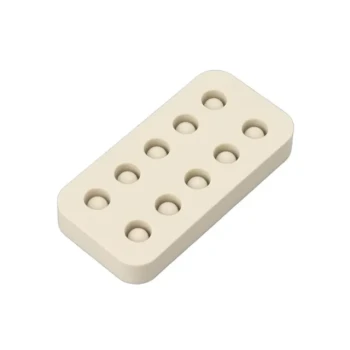
- 10-Cell Silicone Beeswax Bee Queen Cups Forming Mold
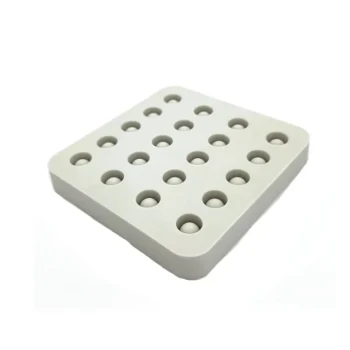
- High-Efficiency 20-Cell Silicone Mold for Beeswax Bee Queen Cup Production
People Also Ask
- What is the primary function of commercial plastic queen cell cups? Driving Efficiency in Mass Queen Rearing
- What are the primary advantages of using plastic queen cell cups? The Industrial Choice for High-Efficiency Apiaries
- What technical advantages do commercial plastic queen cell cups offer? Scale Your Queen Rearing for Maximum Efficiency
- What is the function of standardized plastic Queen Cell Cups? Boost Efficiency in Commercial Larval Grafting
- Why are standardized plastic queen cell cups preferred? Boost Commercial Queen Rearing Efficiency