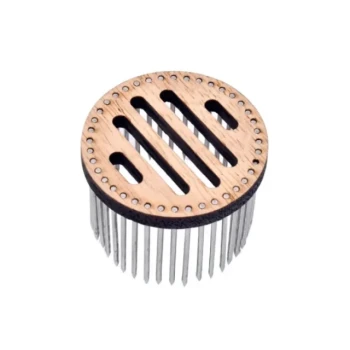
The preferred choice for hive security is the wooden inner cover due to its superior mechanical resistance against pests. Unlike plastic films, which Greater Wax Moth larvae can easily puncture and chew through, wooden covers provide a rigid barrier that maintains the physical integrity of the hive and prevents the creation of entry points for infestation.
Core Takeaway: Effective pest management relies on structural hardness. Plastic films fail because they allow larvae to create breaches, leading to a cascade of problems including light intrusion, airflow disruption, and the entry of secondary predators like scorpions.
The Mechanical Failure of Plastic Films
Vulnerability to Punctures
The primary failure point of plastic films is their lack of density. Greater Wax Moth larvae possess strong chewing mouthparts capable of puncturing thin materials.
Once the larvae breach the film, the protective seal of the hive is lost. A wooden cover effectively resists this chewing action, maintaining a solid perimeter.
Creating Safe Havens for Pests
When larvae chew through plastic, they do not just enter the hive; they alter the environment to their advantage. The damaged film often creates crevices and folds.
These gaps serve as hiding spots for the larvae. Because these crevices are often inaccessible to worker bees, the colony cannot effectively police the area or remove the pests.
Consequences of Barrier Compromise
Disruption of Hive Climate
A honeybee colony relies on a controlled environment to thrive. When plastic films are punctured, the damage exposes the colony to disruptive light and airflow.
This environmental stress distracts the colony from foraging and brood rearing, as they must divert energy to thermoregulation or guarding the breach.
Gateway for Secondary Predators
The damage caused by Wax Moths often triggers a chain reaction of intrusion. The gaps and holes in the film create a pathway for larger, secondary predators.
Once the barrier is compromised, predators such as scorpions or geckos can utilize these breaches to enter the beehive, posing a direct threat to the adult bees and the brood.
Common Pitfalls to Avoid
Mistaking Coverage for Protection
A common error is assuming that any cover constitutes protection. While a plastic film physically covers the frames, it lacks the mechanical strength required to repel active threats.
Ignoring the "breach effect"
Using soft barriers creates a false sense of security. It is critical to recognize that a single puncture does not remain an isolated incident; it evolves into a structural failure that invites multi-species infestation.
Making the Right Choice for Your Goal
To ensure the longevity and health of your colony, select materials based on the threats present in your environment.
- If your primary focus is excluding Greater Wax Moths: Use wooden inner covers to provide a hard, bite-resistant barrier that larvae cannot penetrate.
- If your primary focus is preventing secondary predators: Avoid plastic films to ensure no gaps are created that could allow scorpions or geckos to enter the hive.
By prioritizing mechanical strength over convenience, you seal the colony against both the initial pest and the opportunistic predators that follow.
Summary Table:
| Feature | Wooden Inner Covers | Plastic Films |
|---|---|---|
| Pest Resistance | High (Bite-resistant wood) | Low (Easily punctured by larvae) |
| Structural Integrity | Rigid and durable | Flexible and prone to tearing |
| Climate Control | Stable (Maintains seal) | Unstable (Breaches allow airflow/light) |
| Predator Prevention | High (Excludes scorpions/geckos) | Low (Gaps create entry points) |
| Bee Policing | Easy (No hidden crevices) | Difficult (Larvae hide in folds) |
Secure Your Apiary with Industrial-Grade Solutions from HONESTBEE
Protecting your honeybee colonies from pests like the Greater Wax Moth requires more than just coverage—it demands mechanical strength and professional-grade equipment. At HONESTBEE, we specialize in supporting commercial apiaries and distributors with a comprehensive wholesale portfolio. From durable hive components and specialized honey-filling machines to a full spectrum of beekeeping tools and essential consumables, our products are designed to enhance your operational efficiency and hive security.
Ready to upgrade your wholesale supply or commercial setup? Contact us today to discover how our premium beekeeping hardware and honey-themed merchandise can drive value for your business.
References
- Joaquin Florez Reuto, Ciro Vera Mantilla. Impacto generado por infestación y colonización de plagas en colmenas de Apis mellifera en el municipio de Puerto Carreño (Vichada). DOI: 10.23850/25004468.5249
This article is also based on technical information from HonestBee Knowledge Base .
Related Products
- Inner Beehive Cover for Beekeeping Bee Hive Inner Cover
- HONESTBEE Wired and Assembled Wooden Bee Frames Foundation for a Thriving Hive
- Assembled Wooden Bee Frames with Beeswax Foundation Ready to Use by HONESTBEE
- Assembled Wooden Bee Frames with Plastic Foundation for Durability and Convenience by HONESTBEE
- Professional Insulated Winter Hive Wrap for Beekeeping
People Also Ask
- What is the purpose of the inner cover in a beehive? A Key to Hive Health & Easy Management
- What is the function and placement of an inner cover in a beehive? Essential Hive Management Guide
- What is the purpose of the inner and outer covers in a beehive? Essential for Hive Health & Management
- What is a beehive's inner cover and how is it used? Essential Guide for Hive Insulation and Ventilation
- What are the functions of the inner and outer covers on a beehive? Essential Guide for Hive Protection and Management