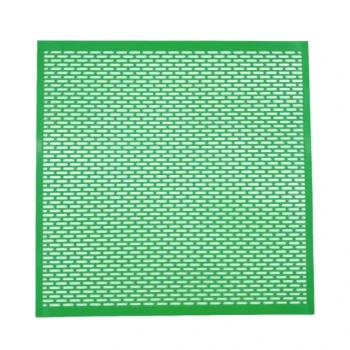
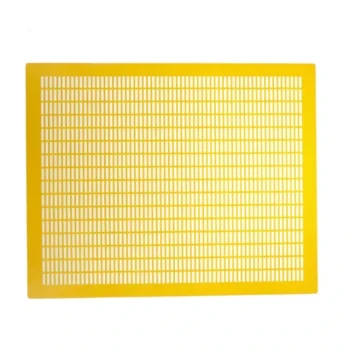
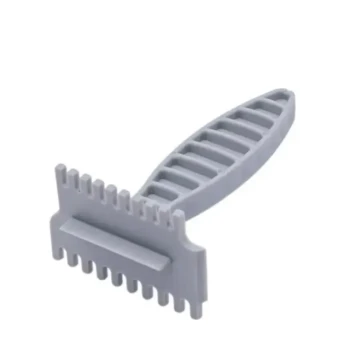
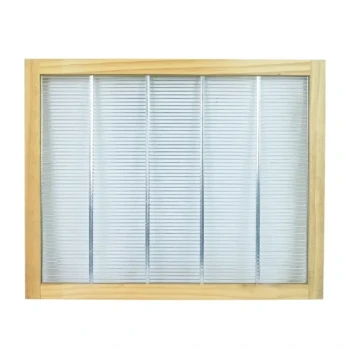
The primary cause of yield variation is behavioral resistance. Some bee colonies are inherently less inclined to cross the physical barrier of a queen excluder, effectively treating it as a ceiling rather than a gateway. This hesitation prevents worker bees from moving into the upper supers to store nectar, leading some beekeepers to label the device a "Honey Excluder," though others experience increased yields due to the improved organizational structure the device enforces.
The variation in honey yield is a direct result of a trade-off between hive organization and colony mobility. While the barrier can deter some workers from storing nectar in the supers, the resulting operational efficiency often compensates for potential volume losses in commercial settings.
The Mechanics of Yield Variation
The Barrier Effect
The core reason for a drop in yield is worker reluctance. In some colonies, bees are hesitant to squeeze through the grid of the excluder.
If the workers perceive the excluder as an impassable boundary, they will stop moving upward. This results in empty honey supers despite a nectar flow, directly reducing the harvestable yield.
Impact on Hive Organization
Conversely, many beekeepers report neutral or positive yield changes. By physically preventing the queen from laying eggs in the honey supers, the device ensures every cell in the upper box is available for honey storage.
Without an excluder, the queen may create a "chimney" of brood up through the center of the honey supers. This forces workers to displace honey to accommodate larvae, reducing the total volume of harvestable product per box.
Operational Efficiency vs. Raw Volume
Streamlined Harvesting
For commercial operations, the definition of "yield" often includes time efficiency. Extracting honey from frames containing brood is difficult, messy, and detrimental to the colony.
Using an excluder guarantees brood-free supers. This allows for rapid removal and extraction of honey, significantly reducing labor hours even if the raw raw nectar weight per hive varies slightly.
Wax Quality and Value
The presence of brood darkens the wax comb over time. An excluder ensures the wax in the honey supers remains light and pristine.
Lighter wax is often more commercially viable and aesthetically pleasing. This adds value to the yield, distinct from the sheer weight of the honey produced.
Understanding the Trade-offs
The "Honey Excluder" Phenomenon
The most significant downside is the potential for congestion in the brood nest. If bees refuse to cross the excluder, they may "backfill" the lower brood box with nectar.
This limits the queen's laying space, which can stifle colony growth. In severe cases, this congestion triggers a swarming impulse, causing half the colony (and the honey crop) to leave the hive.
Physical Toll on the Colony
There is a debate regarding the physical impact on the bees. Opponents argue that forcing workers to squeeze through a metal or plastic grid is unnatural and physically taxing.
This friction can potentially strip pollen loads or damage wings over time. While difficult to quantify in immediate yield, this physical stress can affect the overall longevity and vitality of the workforce.
Making the Right Choice for Your Goal
Deciding whether to use a queen excluder depends on balancing the need for pure honey against the risk of slowing down your workers.
- If your primary focus is Commercial Efficiency: Use an excluder to guarantee brood-free supers and significantly reduce the time required for harvesting and finding the queen.
- If your primary focus is Maximum Raw Nectar: Consider skipping the excluder to remove all barriers to movement, accepting the trade-off that you may need to sort through brood during extraction.
Ultimately, successful use of a queen excluder requires monitoring your specific colony's temperament to ensure the device organizes the hive without stifling its productivity.
Summary Table:
| Factor | Impact on Honey Yield | Key Benefit/Drawback |
|---|---|---|
| Worker Behavior | Potential Decrease | "Honey Excluder" effect if bees refuse to cross the barrier. |
| Hive Organization | Increase/Neutral | Prevents brood in honey supers, maximizing storage space. |
| Harvest Efficiency | Higher Quality | Ensures brood-free, light-colored wax for easier extraction. |
| Colony Health | Risk of Swarming | Congestion in brood nest may trigger swarming if not monitored. |
Scale Your Commercial Beekeeping Success with HONESTBEE
At HONESTBEE, we understand that maximizing honey yield requires more than just tools—it requires the right strategy for your operation. Whether you are a large-scale commercial apiary or a global distributor, we provide the high-quality queen excluders, hive-making machinery, and specialized honey-filling equipment you need to streamline your production.
Why partner with HONESTBEE?
- Comprehensive Wholesale Catalog: From durable hardware to essential industry consumables.
- Commercial-Grade Machinery: Expert solutions for hive manufacturing and honey processing.
- Market-Ready Merchandise: A wide array of honey-themed cultural products to diversify your brand.
Contact HONESTBEE Today to discover how our professional beekeeping equipment and expertise can optimize your harvest and grow your business.
Related Products
- High Performance Plastic Queen Excluder for Beekeeping and Apiary Management
- Professional Plastic Queen Excluder for Modern Beekeeping
- Lightweight Durable Plastic Queen Excluder Scraper for Beekeeping
- Metal Queen Bee Excluder for Beekeeping
- Premium Wood Framed Metal Wire Queen Bee Excluder
People Also Ask
- What are the characteristics of a plastic queen excluder? Key Benefits for Cost-Effective Beekeeping
- What are the operational and cost advantages of using plastic queen excluders over metal or wire excluders in commercial hive management? Discover how they reduce labor, prevent wing damage, and lower total costs.
- What types of queen excluders are available for beekeepers? Choose the Right Tool for Your Hive
- Why are standardized hive frames and queen excluders essential for maintaining honey purity and quality? Scale Your Purity
- Do plastic queen excluders work? A Cost-Effective Solution for Modern Apiaries