The debate over queen excluders centers on a trade-off between operational efficiency and natural hive behavior. Proponents use this device—a perforated mesh grid placed between brood boxes and honey supers—to ensure a cleaner harvest and organized colony management. Opponents argue that restricting the queen's movement creates unnecessary stress and disrupts the natural flow of the hive.
While excluders guarantee that harvested honey remains free of brood and eggs, they are optional tools used by fewer than half of beekeepers. The decision ultimately rests on whether you prioritize streamlined extraction and equipment protection or a low-intervention, natural approach to beekeeping.
The Case for Using a Queen Excluder
For beekeepers focused on production and ease of management, the excluder is a vital tool for maintaining order within the hive.
Ensuring Purity in the Harvest
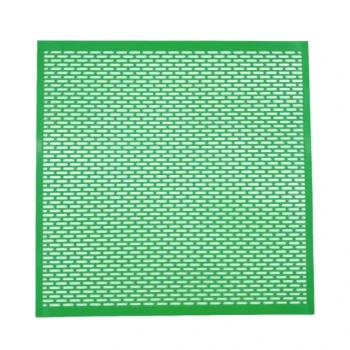
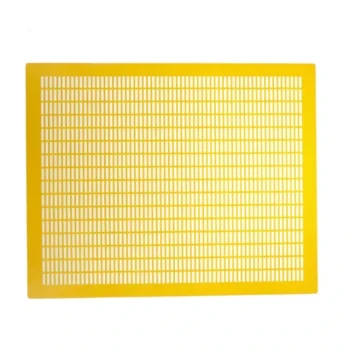
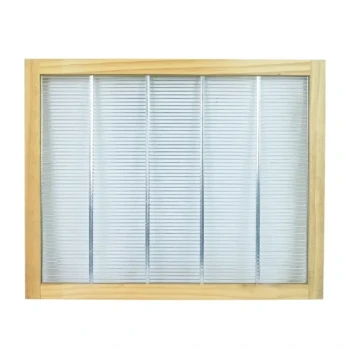
The primary technical function of an excluder is to limit the queen to the brood nest. The mesh openings are large enough for workers but too small for the queen.
This prevents the queen from laying eggs in the honey supers. Consequently, your harvest remains purely honey, eliminating the risk of contaminating the honey with larvae or eggs during the centrifuging process.
Protecting the Queen and Equipment
By confining the queen to the lower brood boxes, you eliminate the risk of accidentally harming her while harvesting heavy honey frames from the top of the hive.
Furthermore, keeping brood out of the honey supers protects your wax. Brood cocoons left behind by hatching bees attract wax moths; an excluder keeps the upper comb clean and less appealing to these pests.
Improved Hive Organization
Proponents argue that separating brood rearing from honey storage creates a highly structured environment. This separation simplifies fall management tasks, as the colony's resources are clearly delineated.
Additionally, some arguments suggest that this structure can help minimize the risk of swarming by keeping the queen's location and population density in check.
The Case Against Queen Excluders
Advocates of natural beekeeping often reject excluders, viewing them as unnecessary interventions that hinder the colony's biological instincts.
Reducing Colony Stress
Opponents argue that confining the queen to a specific section of the hive creates a stressful environment for the colony.
In a natural setting, a queen roams freely. Restricting her movement is seen as an artificial constraint that may negatively impact the overall temperament and health of the hive.
Prioritizing Natural Behavior
The "natural approach" relies on the bees' innate ability to manage their own space. Beekeepers who avoid excluders believe that allowing the queen to roam creates a more harmonious, albeit less structured, hive.
For these beekeepers, the potential inconvenience of brood in the honey supers is a worthwhile trade-off for maintaining a less manipulative management style.
Understanding the Trade-offs
When deciding whether to introduce this piece of equipment, it is critical to recognize the limitations and operational realities involved.
The "Optional" Nature of the Tool
It is important to note that the queen excluder is not mandatory equipment. Statistics suggest it is used by less than 50 percent of beekeepers.
This indicates that successful beekeeping is entirely possible without one, provided you are willing to adapt your harvesting techniques.
Operational Complexity vs. Simplicity
Using an excluder introduces an extra layer of equipment to purchase, clean, and manage.
However, skipping the excluder requires more vigilance during harvest to ensure you are not extracting frames containing brood, which complicates the extraction workflow.
Making the Right Choice for Your Goal
Whether you use a queen excluder depends entirely on your specific objectives for the apiary.
- If your primary focus is clean, efficient honey production: Use an excluder to guarantee brood-free supers, protect your wax from moths, and streamline the extraction process.
- If your primary focus is natural, low-stress beekeeping: Skip the excluder to allow the queen free range, prioritizing the colony's natural behavior over harvest convenience.
Your choice defines your management style: one prioritizes the product and the process, while the other prioritizes the bee's natural biology.
Summary Table:
| Feature/Impact | Using a Queen Excluder | Avoiding a Queen Excluder |
|---|---|---|
| Honey Purity | Guaranteed brood-free honey | Risk of larvae/eggs in supers |
| Equipment | Protects wax from moths | Potential for wax moth attraction |
| Queen Safety | High (confined to brood nest) | Lower (roams throughout hive) |
| Bee Stress | Higher (artificial restriction) | Lower (natural movement) |
| Management | Organized and streamlined | Complex extraction workflow |
| Usage Rate | Used by <50% of beekeepers | Popular in natural beekeeping |
Optimize Your Apiary with HONESTBEE
Whether you prioritize high-efficiency honey production or a low-intervention natural approach, HONESTBEE provides the professional-grade tools you need to succeed. As a leading partner for commercial apiaries and global distributors, we offer a comprehensive range of beekeeping solutions—from precision-engineered queen excluders and hive-making machinery to honey-filling systems and industry consumables.
Ready to scale your beekeeping operation? Contact HONESTBEE Today to discover how our wholesale equipment and specialized hardware can streamline your workflow and maximize your honey yield.
Related Products
- High Performance Plastic Queen Excluder for Beekeeping and Apiary Management
- Professional Plastic Queen Excluder for Modern Beekeeping
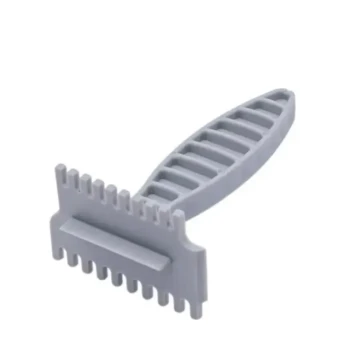
- Lightweight Durable Plastic Queen Excluder Scraper for Beekeeping
- Metal Queen Bee Excluder for Beekeeping
- Premium Wood Framed Metal Wire Queen Bee Excluder
People Also Ask
- What are the characteristics of a plastic queen excluder? Key Benefits for Cost-Effective Beekeeping
- What are the operational and cost advantages of using plastic queen excluders over metal or wire excluders in commercial hive management? Discover how they reduce labor, prevent wing damage, and lower total costs.
- What types of queen excluders are available for beekeepers? Choose the Right Tool for Your Hive
- Why are standardized hive frames and queen excluders essential for maintaining honey purity and quality? Scale Your Purity
- Do plastic queen excluders work? A Cost-Effective Solution for Modern Apiaries