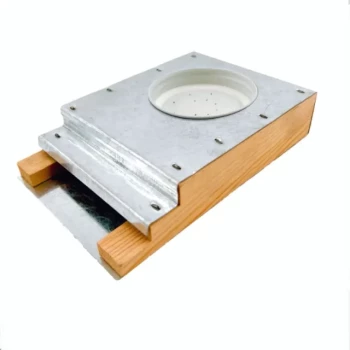
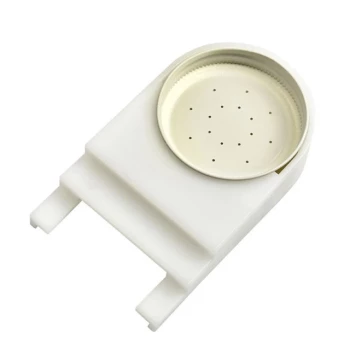
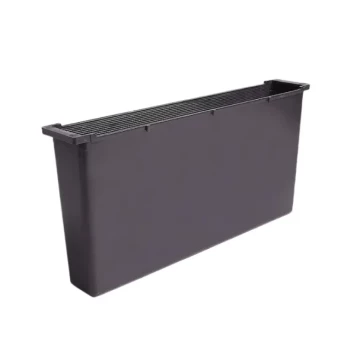
A bee feeder serves as a critical bridge for a newly established colony. Because new colonies often begin with no stored honey or drawn honeycomb, they lack the internal resources to survive independently. The feeder provides a sugar and water mixture that substitutes for natural nectar, giving worker bees the immediate calories needed to build the hive's infrastructure.
Core Insight: A new colony is effectively a construction site with an empty pantry. A feeder ensures the bees have the massive energy reserves required to draw out wax comb, feed the developing brood, and sustain the queen before natural foraging can fully support the hive.
The Physiological Needs of a New Hive
Fueling Wax Production
The primary physical hurdle for a new colony is the lack of "furniture," or drawn-out comb. Worker bees require significant amounts of energy to secrete the wax scales used to build comb.
The sugar syrup provided by the feeder acts as a high-calorie fuel source. This allows the bees to draw out the comb quickly, creating the necessary storage space for future honey and cells for eggs.
Sustaining the Brood and Queen
Beyond construction, the colony has immediate biological needs. The queen requires constant nutrition to produce eggs, and the resulting larvae must be fed.
The energy from the feeder allows worker bees to create royal jelly for the queen. It also ensures there is enough food to rear the brood, preventing a stall in population growth during the hive's most vulnerable phase.
Buffering Against Environmental Gaps
New colonies cannot always rely on nature to provide immediate sustenance. If a natural nectar flow has not yet started, or if the weather is extremely high or low, natural resources may be scarce.
A feeder acts as an insurance policy. It guarantees the colony has the resources to settle in and function regardless of the current bloom status in the surrounding environment.
Understanding the Trade-offs: Disturbance vs. Accessibility
The Risk of Invasive Feeding
While feeding is necessary, the method of delivery involves trade-offs regarding colony disruption. Some feeding methods require opening the hive body, which breaks the propolis seal and releases heat.
This disturbance can stress the colony. It may also increase the likelihood of the beekeeper being stung, as the bees react to the intrusion into their living quarters.
The Top Feeder Advantage
To mitigate disturbance, top feeders are often recommended. These are situated in an empty box above the main colony.
Refilling a top feeder only requires removing the outer lid, leaving the bees in the boxes below undisturbed. This reduces the need for a smoker and significantly lowers the stress on both the colony and the beekeeper.
Making the Right Choice for Your Goal
Consistent feeding is vital until the colony has established its own stores.
- If your primary focus is establishing a new colony: Provide a continuous supply of sugar syrup to drive comb building and brood rearing until natural nectar flow is sufficient.
- If your primary focus is winter preparation: Begin feeding syrup 2-3 months before the first frost to build up nutrient reserves for the cold months.
- If your primary focus is ease of management: Utilize a top feeder to allow for quick refills without disrupting the colony's internal temperature or defense systems.
Ultimately, the feeder transforms a fragile group of bees into a robust, self-sustaining superorganism.
Summary Table:
| Necessity Aspect | Primary Benefit | Why It Matters for New Colonies |
|---|---|---|
| Wax Production | Fuel for comb building | Bees need energy to create the infrastructure for storage and eggs. |
| Brood Rearing | Nutritional support | Ensures the queen and larvae are fed, preventing population stalls. |
| Climate Buffer | Insurance policy | Protects against nectar gaps or poor weather during the initial setup. |
| Hive Stability | Reduced stress | Using top feeders allows for refills without breaking the hive's heat seal. |
Scale Your Beekeeping Success with HONESTBEE
At HONESTBEE, we understand that the success of a commercial apiary or distribution business depends on the health of every new colony. We specialize in providing the high-quality beekeeping tools and machinery you need to flourish. From advanced bee feeders and hive-making equipment to professional-grade honey-filling machines, our comprehensive wholesale catalog is designed to support your growth.
Whether you are supplying local hobbyists or managing thousands of hives, our mission is to deliver the specialized hardware and essential industry consumables that drive efficiency. Contact us today to explore our full range of professional beekeeping solutions!
Related Products
- Rapid Bee Feeder White Plastic 2L Round Top Feeder for 8 or 10-Frame Bee Hives
- HONESTBEE Entrance Bee Feeder Professional Hive Nutrition Solution for Beekeeping
- White Plastic 0.5L Beekeeping Entrance Feeder for Bees
- HONESTBEE Entrance Bee Feeder Efficient Hive Front Liquid Feeding Solution for Beekeeping
- HONESTBEE Professional Entrance Bee Feeder Hive Nutrition Solution
People Also Ask
- What should be done with feeders and equipment after feeding bees? Essential Steps for Apiary Health
- What should be done if feed in a feeder is not consumed by the bees? Prevent Hive Mold with Prompt Feed Management
- What is the necessity of specialized internal or entrance feeders? Secure Your Hive with Professional Feeding Tools
- How do bee feeders work to preserve colony health during nectar shortages? Essential Guide for Beekeepers
- How quickly does a medium to strong colony usually empty a feeder? A Beekeeper's Guide to Hive Health