The application of a dung coating to a woven skep is a critical architectural step, not a cosmetic one. This layer functions as a vital sealant for the finished woven structure. By physically filling the gaps between plant fibers, the dung dries to form a solid barrier that transforms a porous basket into a weather-resistant shelter capable of sustaining a bee colony.
The coating acts as a functional "mortar" for the hive. Its primary purpose is to seal the woven exterior against wind and rain while creating an insulating layer that allows the colony to maintain a stable internal temperature.
The Mechanics of the Seal
Filling the Void
A raw woven skep is essentially a basket made of plant fibers. While structurally sound, the weave naturally contains gaps and uneven spaces.
The dung coating is applied to bridge these gaps. It penetrates the spaces between the wicker or straw, creating a continuous, solid surface. Once dry, this converts the skep from a permeable container into an enclosed cavity.
Waterproofing the Exterior
Without this coating, rain would easily penetrate the woven fibers, leading to a damp and potentially fatal environment for the bees.
The dried dung layer provides essential weather resistance. It forces water to shed off the exterior of the skep rather than soaking into the nesting material, keeping the interior dry during storms or damp conditions.
Thermal Regulation and Colony Survival
Creating a Windbreak
Wind is a significant threat to a colony's ability to regulate heat. A woven skep without a coating allows air to draft directly through the walls.
The coating acts as a wind barrier. By blocking airflow through the weave, it prevents cold drafts from stripping away the heat generated by the bee cluster.
Stabilizing the Microclimate
Honeybees rely on a specific internal temperature range for brood rearing and winter survival.
The dung layer adds significant thermal insulation. This helps dampen the effect of external temperature fluctuations, allowing the colony to maintain a stable internal microclimate with less energy expenditure.
Understanding the Trade-offs
The Necessity of Drying
The protective qualities of the coating are only realized once the material is fully dry.
Applying wet material introduces moisture initially, so the timing of the application is critical. The skep must be allowed to dry completely to form the hardened shell required for protection.
Maintenance Requirements
While dung is an effective natural polymer, it is organic and exposed to the elements.
Over time, weather can erode this layer. To maintain the integrity of the seal and the insulation properties, the coating must be monitored and potentially reapplied or patched if cracks develop or if rain washes portions away.
Ensuring Hive Protection
If your primary focus is colony survival: Ensure the coating is applied thickly enough to fully close all gaps in the weave, preventing any cross-drafts.
If your primary focus is equipment longevity: Verify that the coating has dried completely before exposing the skep to harsh weather to ensure the seal is hardened and effective.
The dung coating is the difference between a simple woven basket and a viable, insulated habitat for honeybees.
Summary Table:
| Feature | Purpose of Dung Coating | Benefit to Bee Colony |
|---|---|---|
| Gap Sealing | Fills spaces between plant fibers | Converts a porous basket into a solid, enclosed cavity |
| Waterproofing | Creates a shed-resistant exterior | Prevents dampness and rot inside the nesting environment |
| Wind Barrier | Blocks airflow through the weave | Prevents cold drafts from stripping heat from the cluster |
| Thermal Mass | Adds an insulating structural layer | Stabilizes internal microclimate for brood rearing and survival |
| Structural Integrity | Acts as a functional "mortar" | Bonds the organic fibers into a durable, weather-resistant shell |
Elevate Your Apiary with HONESTBEE Professional Solutions
While traditional methods like skep coating showcase the importance of insulation, modern commercial beekeeping requires precision-engineered equipment to maximize productivity and colony health. HONESTBEE is a leading global supplier dedicated to supporting commercial apiaries and distributors with high-performance tools and machinery.
Why partner with HONESTBEE?
- Comprehensive Catalog: From high-efficiency honey-filling machines and hive-making hardware to a full spectrum of beekeeping tools.
- Commercial Scale: We specialize in wholesale offerings and bulk consumables tailored for large-scale operations.
- Expertise & Quality: We provide the essential equipment needed to maintain the stable environments your bees deserve.
Ready to scale your beekeeping business? Contact HONESTBEE today to explore our wholesale machinery and equipment solutions!
References
- Gene Kritsky. Beekeeping on the Island of Andros: An Ethnographic Approach George Speis. DOI: 10.1093/ae/tmx006
This article is also based on technical information from HonestBee Knowledge Base .
Related Products
- White Cotton Beekeeping Jacket and Veil for Bee Keepers
- Economy Polyester Beekeeping Jacket with Veil and Hat
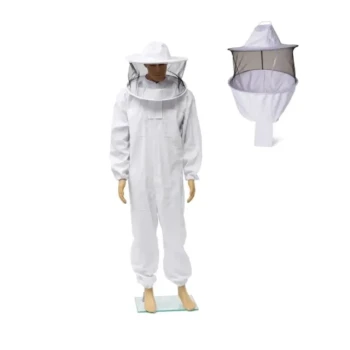
- Professional Cotton Beekeeper Suit with Round Veil Design for Commercial Apiaries
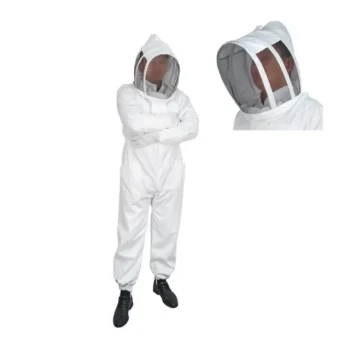
- Professional Beekeeper Suit with Square Folding Cotton Veil
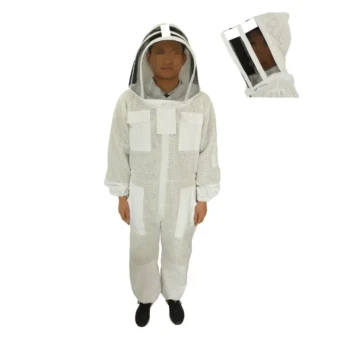
- Premium Cotton Beekeeper Suit with Reinforced Fencing Veil
People Also Ask
- What are the features of an economical beekeeping jacket? Essential Protection for Budget-Conscious Beekeepers
- What are the pros of using a beekeeping jacket? Unlock Superior Comfort and Mobility for Your Apiary
- What factors should a new beekeeper consider when choosing between a jacket and a full suit? Security vs. Comfort
- What are the advantages of a beekeeping jacket? Superior Mobility & Comfort for Routine Hive Inspections
- When is a beekeeping jacket considered a more suitable choice than a full suit? Optimize Your Apiary Mobility