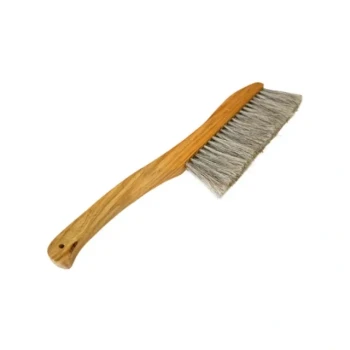
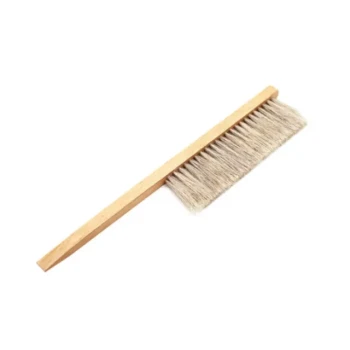
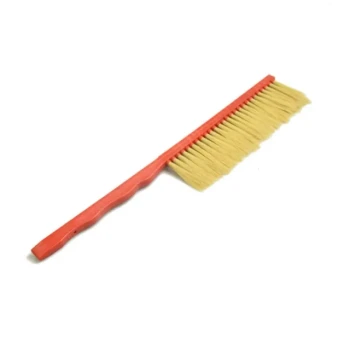
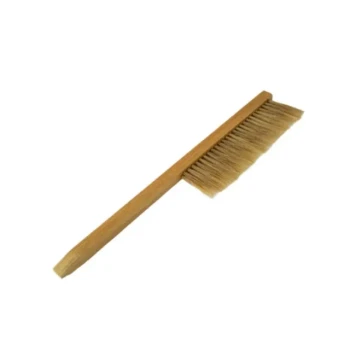
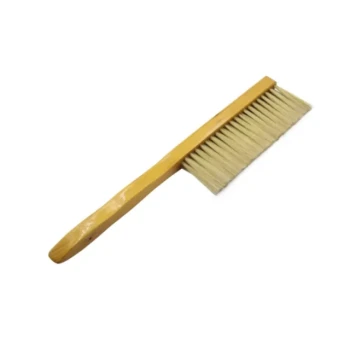
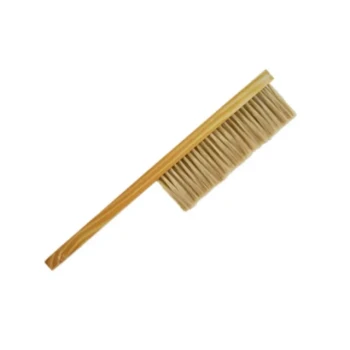
The choice of tool defines the survival rate. A fine camel hair brush is specified because its extremely soft and elastic bristles apply minimal physical pressure to fragile biological samples. This prevents mechanical damage when moving mature queen cells or laying queens, directly protecting the viability of the new colony during the seeding phase.
The success of artificial colony multiplication hinges on the physical integrity of the queen. The fine camel hair brush provides the necessary tactile precision to transfer queens without causing the trauma that leads to rejection or failure.
The Mechanics of Safe Transfer
Minimizing Applied Force
The primary attribute of a fine camel hair brush is its inherent elasticity. Unlike stiffer synthetic materials, these natural bristles bend easily upon contact with an object.
This flexibility ensures that the force applied by the handler is absorbed by the bristles rather than transferred to the queen. This allows for manipulation without the risk of crushing delicate tissues.
Protecting Biological Integrity
Mature queen cells and laying queens are highly susceptible to mechanical damage. Even slight compression or abrasion can compromise the queen's health or kill the developing pupa.
By using a brush, you eliminate the need for direct handling with forceps or fingers. This maintains a barrier that prevents accidental pinching or crushing during the transfer.
Accelerating Colony Establishment
The ultimate goal of the seeding phase is the rapid formation of a new eduction colony. A damaged queen often results in immediate colony failure or significant delays while the colony attempts to raise a replacement.
Ensuring a high survival rate during the transfer phase is vital. It guarantees that the biological momentum of the colony is maintained, leading to faster stabilization and growth.
Understanding the Trade-offs
Loss of Tactile Feedback
While the softness of the brush protects the queen, it reduces the tactile feedback for the operator. You cannot "feel" the grip in the same way you would with a more rigid tool.
This requires the operator to rely heavily on visual cues and a steady hand. The user must trust the friction of the bristles rather than clamping force to move the specimen.
Tool Maintenance
Natural fibers like camel hair are porous and can harbor pathogens. Unlike metal tools which can be easily torched or wiped, brushes require careful cleaning.
Failure to sanitize the brush between uses introduces a risk of cross-contamination. You must balance the physical safety of the queen with the biological safety of the hive.
Making the Right Choice for Your Goal
Selecting the right transfer tool is a precision decision that impacts the long-term productivity of your apiary.
- If your primary focus is survival rate: Use the fine camel hair brush exclusively to ensure zero mechanical trauma to the queen or cell.
- If your primary focus is speed: Acknowledge that using this tool requires patience; rushing the transfer with a soft brush often leads to dropped or mishandled specimens.
Precision in the seeding phase is the absolute foundation of a thriving new colony.
Summary Table:
| Feature | Benefit for Queen Seeding | Impact on Colony |
|---|---|---|
| Soft Elastic Bristles | Minimizes physical pressure and crushing risk | Higher queen survival rates |
| High Tactile Precision | Enables delicate manipulation of pupae/queens | Reduced mechanical trauma |
| Natural Fibers | Provides gentle friction without clamping | Prevents rejection by the hive |
| Zero-Contact Handling | Replaces fingers or forceps | Faster colony stabilization |
Maximize Your Apiary's Success with HONESTBEE
At HONESTBEE, we understand that the success of commercial apiaries and distributors depends on the precision of your tools. Whether you are scaling production with our honey-filling machines or managing delicate biological transfers, we provide the full spectrum of professional beekeeping equipment designed for excellence.
From specialized hive-making machinery to premium consumables like fine camel hair brushes, our wholesale offerings ensure your operations maintain maximum biological momentum. Contact us today to discover how our comprehensive hardware and industry expertise can streamline your production and protect your colony's growth.
References
- Amala Udayakumar, S. N. Sushil. A Sustainable Technique for Colony Multiplication by Eduction of Wild Nests of the Stingless Bee Tetragonula iridipennis Smith. DOI: 10.13102/sociobiology.v70i3.9148
This article is also based on technical information from HonestBee Knowledge Base .
Related Products
- Premium Triple-Row Horsehair Bee Brush
- Wooden Bee Brush with Double-Row Horsehair Bristles
- Plastic Handle Single Row Artificial Fiber Bee Brush
- Classic Wooden Bee Brush with Double-Row Boar Bristles
- Wooden Bee Brush with Triple Row Artificial Fiber for Beekeeping
People Also Ask
- What is the specific function of a bee brush? Ensure Pure Harvests and Colony Welfare During Honey Extraction
- What are the key characteristics of the bristles on a bee brush? Master Gentle and Efficient Bee Removal
- What problem does a bee brush solve? Protect Your Colony with Gentle Precision Tools
- What are the key features of a popular bee brush? Essential Design for Bee Safety and Hive Hygiene
- What is a bee brush and what is its primary use? A Gentle Tool for Hive Management