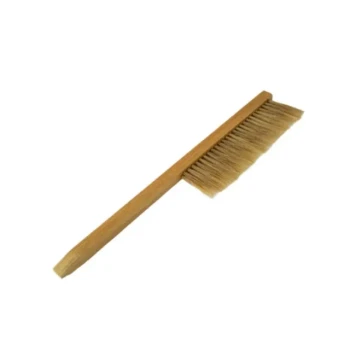
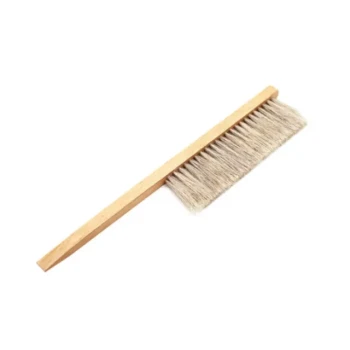
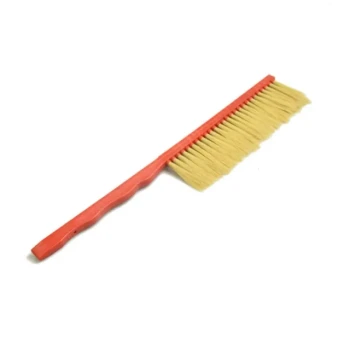
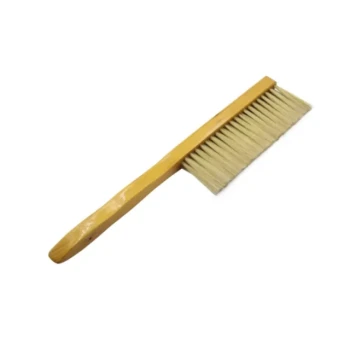
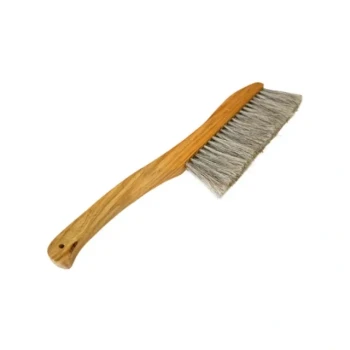
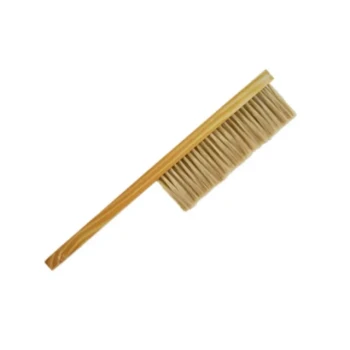
A fine soft-bristle brush is the primary safeguard against physical trauma when collecting and transferring adult female Varroa destructor mites. Because these parasites possess extremely fragile cuticles, standard handling methods can easily inflict damage that compromises their physiological function. Using a soft brush ensures gentle mechanical contact, allowing researchers to move mites from donor colonies to experimental cells without invalidating the accuracy of the study.
The Integrity of the Specimen Dictates the Integrity of the Data Any physical damage inflicted during the collection phase introduces uncontrolled variables into the experiment. The soft-bristle brush is not just a collection tool; it is an instrument of quality control that preserves the mite's reproductive and biological viability.
Preserving Specimen Integrity for Experimental Validity
Protecting the Fragile Cuticle
The physical structure of an adult female Varroa mite is delicate. Their cuticles—the outer protective layer—are highly susceptible to crushing or tearing if handled with rigid tools like forceps.
A fine soft-bristle brush provides the necessary compliance to interact with the mite without exerting excessive force. This gentle contact is critical for separating mites from host cells or debris without breaching their physical defenses.
Ensuring Accurate Reproductive Data
Inoculation experiments often aim to observe the reproductive capabilities of the mite. If the specimen is stressed or injured during transfer, its natural behavior and biological functions will be altered.
Using a brush to maintain the mite's optimal physiological state prevents "false negatives" where a mite fails to reproduce due to handling injury rather than experimental variables. This preservation of function is fundamental to the accuracy of the resulting data.
Securing High-Quality Tissue for Genetics
Beyond live inoculation, maintaining the physical integrity of the mite is essential for downstream analysis. When separating mites from hive debris, the brush acts as a precise filter.
This non-destructive separation ensures the mite tissue remains intact. High-quality, undamaged tissue provides a superior foundation for genomic DNA extraction, ensuring molecular studies are based on pure, uncompromised samples.
Understanding the Operational Trade-offs
The Necessity of Manual Precision
While the soft-bristle brush minimizes damage, it requires steady manual manipulation. The effectiveness of the tool is directly tied to the dexterity and patience of the researcher.
Even with a soft brush, applying too much pressure or sweeping too aggressively can stress the specimen. It is a precision tool that cannot fully compensate for poor technique.
Throughput vs. Integrity
Using a fine brush is a time-intensive process compared to bulk collection methods. Researchers must handle mites individually or in small groups to ensure safety.
This creates a trade-off where the speed of collection is sacrificed to guarantee the survival and quality of each specific mite. For critical inoculation experiments, this sacrifice is necessary.
Ensuring Data Accuracy Through Proper Handling
To maximize the reliability of your Varroa experiments, align your handling technique with your specific research goals:
- If your primary focus is reproductive behavior: Use the brush to transfer live mites directly to experimental cells, ensuring their physiological functions remain unaltered for accurate observation.
- If your primary focus is genomic DNA extraction: Use the brush to carefully separate mites from hive debris to preserve tissue integrity and ensure a high-quality genetic foundation.
By prioritizing gentle handling at the collection stage, you secure the fundamental reliability of your entire dataset.
Summary Table:
| Handling Objective | Why Use a Soft-Bristle Brush? | Impact on Research |
|---|---|---|
| Physical Safety | Prevents crushing or tearing the fragile cuticle. | Reduces specimen mortality during transfer. |
| Biological Viability | Minimizes stress and mechanical trauma to the mite. | Ensures natural reproductive behavior for data accuracy. |
| Tissue Quality | Allows non-destructive separation from hive debris. | Provides pure, intact samples for genomic DNA extraction. |
| Precision | Offers gentle compliance during manual manipulation. | Maintains high quality control over individual specimens. |
Elevate Your Apiary Research and Operations with HONESTBEE
At HONESTBEE, we understand that the precision of your research depends on the quality of your tools. As a premier provider for commercial apiaries and distributors, we offer a comprehensive wholesale range designed to meet the rigorous demands of the modern beekeeping industry.
Our Value to You:
- Professional Grade Tools: From delicate specimen brushes to heavy-duty hive-making and honey-filling machinery.
- Scalable Solutions: A full spectrum of equipment and essential consumables tailored for large-scale operations and distribution networks.
- Industry Expertise: Beyond hardware, we provide the specialized supplies needed to maintain hive health and product quality.
Ready to upgrade your equipment or restock your inventory? Contact us today to explore our wholesale offerings and see how HONESTBEE can support your commercial success.
References
- Zheguang Lin, Vincent Dietemann. Population genetics and host specificity of Varroa destructor mites infesting eastern and western honeybees. DOI: 10.1007/s10340-020-01322-7
This article is also based on technical information from HonestBee Knowledge Base .
Related Products
- Classic Wooden Bee Brush with Double-Row Boar Bristles
- Wooden Bee Brush with Double-Row Horsehair Bristles
- Plastic Handle Single Row Artificial Fiber Bee Brush
- Wooden Bee Brush with Triple Row Artificial Fiber for Beekeeping
- Premium Triple-Row Horsehair Bee Brush
People Also Ask
- What are the key features of a popular bee brush? Essential Design for Bee Safety and Hive Hygiene
- What are the key characteristics of the bristles on a bee brush? Master Gentle and Efficient Bee Removal
- What is a bee brush and what is its primary use? A Gentle Tool for Hive Management
- What is the purpose of using a bee brush during the inspection of hive components? Safe & Precise Hive Management
- What is the specific function of a bee brush? Ensure Pure Harvests and Colony Welfare During Honey Extraction