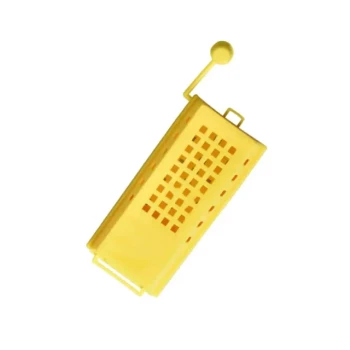
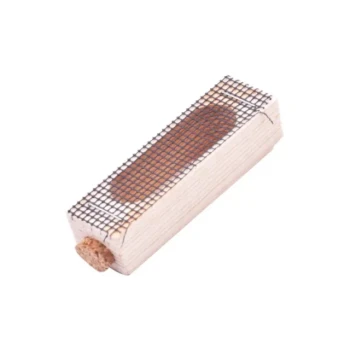
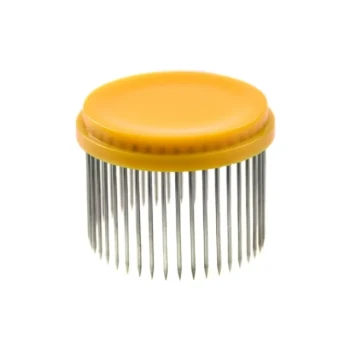
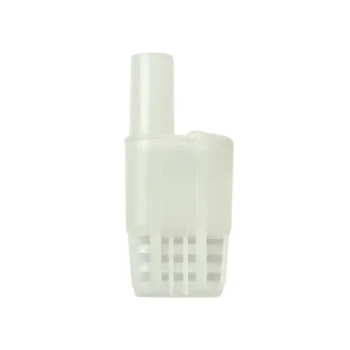
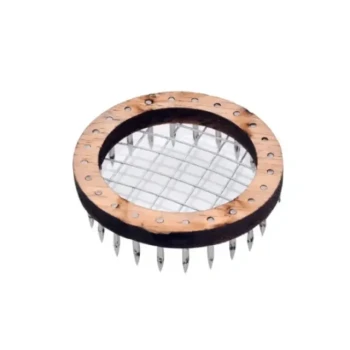
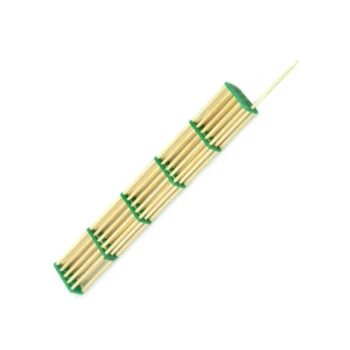
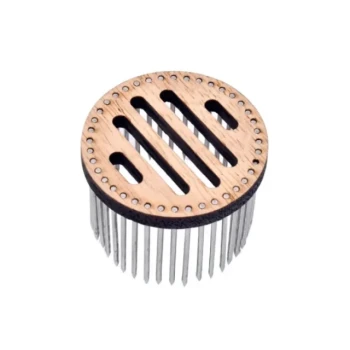
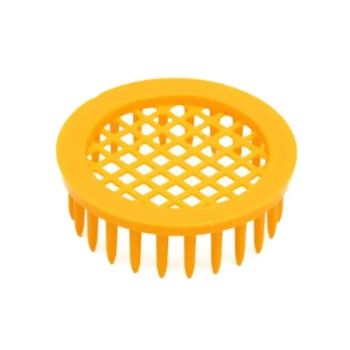
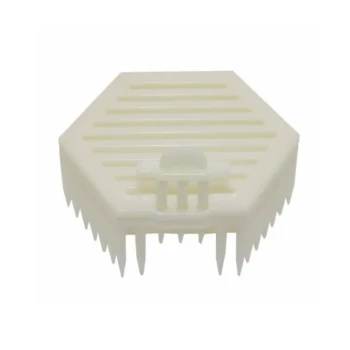
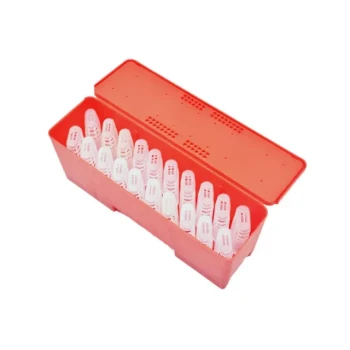
A Queen Cage is the definitive safety mechanism for introducing a new monarch to a honeybee colony. It serves as a temporary physical barrier that protects the virgin or new queen from lethal worker aggression while permitting the essential transmission of pheromones. By preventing direct contact during the initial volatile period, the cage ensures the colony has time to recognize their queenless state and accept the new queen's scent without harming her.
The Queen Cage functions not merely as a container, but as a biological buffer that mediates the transition of power within the hive. It prevents the colony from rejecting the new queen as a foreign invader while preventing the queen from abandoning the hive before she is established.
The Biological Necessity of Separation
The primary function of the Queen Cage is to manage the complex social and chemical dynamics of the hive during a replacement.
Mitigating Worker Aggression
A colony does not immediately accept a new queen; workers often perceive her as a threat or an intruder. Without a cage, the existing worker bees would likely attack, injure, or "ball" (surround and overheat) the new queen immediately. The cage acts as an armored bunker, keeping the queen alive while the colony's aggression subsides.
Facilitating Pheromone Adaptation
Hive unity is dictated by chemical signals. The cage allows the colony to slowly acclimate to the new queen's specific pheromones in a controlled environment. This gradual exposure helps the workers transition from a state of "queenlessness" to accepting the new chemical signature of the replacement queen.
Enabling Safe Social Interaction
While physical attacks are blocked, the cage design—typically mesh or bars—permits vital social behaviors. It allows for antennal contact and food exchange (trophallaxis) between the workers and the queen. These interactions are critical indicators that the workers are beginning to care for the queen rather than trying to eliminate her.
Logistical Security
Beyond biological integration, the Queen Cage solves practical handling problems associated with beekeeping.
Preventing Flight and Escape
A new queen, particularly one not yet laying, is agile and prone to flight. If introduced without confinement, she may fly away in confusion or panic. An escape necessitates restarting the entire introduction process, which wastes time and resources while leaving the colony vulnerable for longer periods.
Stabilization of the Queen
The cage forces the queen to remain in the brood nest where she is needed most. It allows her to settle in and become accustomed to the environment without the risk of wandering off the frames. This confinement ensures she is present and available once the workers release her.
Understanding the Trade-offs
While essential, using a Queen Cage introduces specific handling challenges that must be respected.
Handling Complexity
Getting a queen into a cage, particularly a Tube Queen Cage, requires dexterity. The rounded edges of some tubes do not sit flush against the comb, making capture difficult. This process often requires two hands: one to stabilize the tube and another to gently guide the plunger, ensuring the queen is not crushed or lost during the transfer.
The Risk of Premature Release
The cage is a tool for patience. If the beekeeper manually releases the queen before the workers have stopped biting the cage bars and started feeding her, the protection provided by the cage is nullified. The cage is only effective if left in place long enough for the colony's mood to shift from aggression to acceptance.
Making the Right Choice for Your Goal
When selecting and utilizing a Queen Cage, your approach should depend on the specific stage of your colony management.
- If your primary focus is Colony Acceptance: Prioritize a cage design with open mesh or bars that maximizes surface area for antennal contact and scent dispersion.
- If your primary focus is Queen Safety during Capture: Utilize a 'piston' device or a push-in marking cage to immobilize the queen securely without direct handling, reducing the risk of physical injury.
The Queen Cage is the bridge between rejection and acceptance, converting a potential biological conflict into a successful colony transition.
Summary Table:
| Feature | Purpose | Benefit |
|---|---|---|
| Physical Barrier | Prevents direct worker contact | Stops lethal aggression and "balling" |
| Pheromone Dispersion | Allows scent transmission | Gradual colony acclimation to new scent |
| Mesh Design | Enables antennal contact & feeding | Facilitates trophallaxis and social bonding |
| Confinement | Prevents flight and escape | Keeps the queen stabilized in the brood nest |
| Piston Mechanism | Secure queen capture | Minimizes handling stress and physical injury |
Maximize Hive Productivity with HONESTBEE Supplies
Successful queen introduction is the cornerstone of a thriving apiary. At HONESTBEE, we empower commercial apiaries and distributors with high-quality, professional-grade beekeeping tools designed for efficiency and safety.
Our extensive portfolio includes:
- Advanced Queen Cages & Marking Tools for seamless queen replacement.
- Automated Machinery including hive-making and honey-filling systems.
- Wholesale Consumables and specialized hardware to sustain large-scale operations.
Ready to scale your beekeeping business with reliable equipment and industry expertise? Contact us today to explore our comprehensive wholesale offerings and discover how our solutions can streamline your colony management.
References
- Agnese Smilga-Spalviņa, Ivars Veidenbergs. Field study: Factors influencing virgin queen bee acceptance rate in Apis mellifera colonies. DOI: 10.17221/22/2024-cjas
This article is also based on technical information from HonestBee Knowledge Base .
Related Products
- Durable Galvanized Steel Spring Queen Bee Cage
- Professional Queen Cage with Sliding Gate and Feeder Plug
- Classic Wooden and Mesh California Queen Cage
- Professional Queen Bee Introduction and Transport Cage
- Professional Multi-Functional Queen Bee Cage
People Also Ask
- Why are specialized queen bee cages used for the banking of mated queen bees? Maximize Commercial Apiary Storage Efficiency
- What is the mechanism of action for using temporary queen bee cages? Master Successful Queen Introduction
- What is the step-by-step process for installing a queen bee's cage onto a frame? Ensure Hive Acceptance Safely
- What is the optimal placement for a queen bee cage? Essential Strategies for Successful Re-queening
- What are the advantages and disadvantages of introducing a queen bee by embedding the cage? Boost Your Queen Acceptance