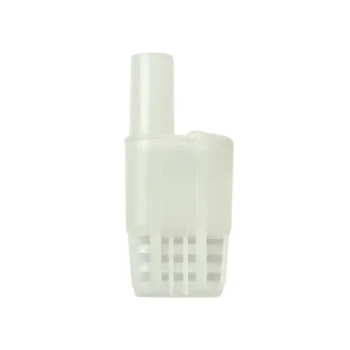
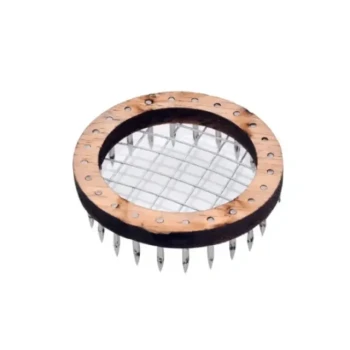
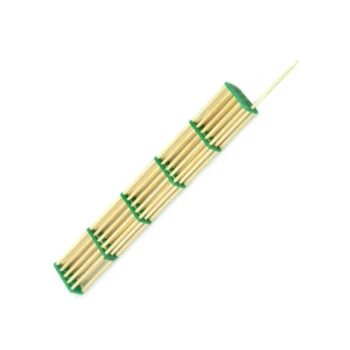
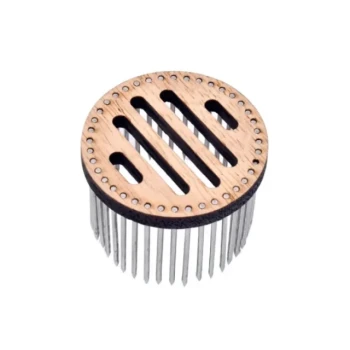
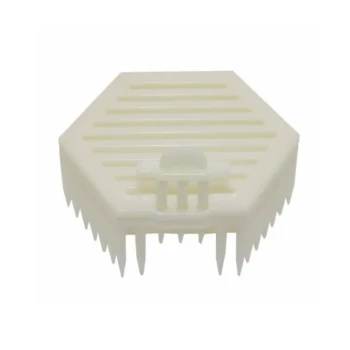
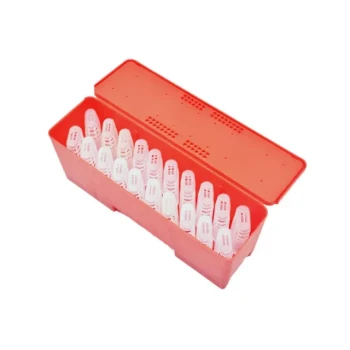
A Queen Cage serves as a precision tool for temporal synchronization in research settings. While commonly known for transport, in experimental contexts, it restricts the queen bee to a specific area of empty comb for a strictly defined period, typically 24 hours. This isolation forces the queen to lay a concentrated batch of fertilized eggs that are virtually identical in age.
The Core Objective By strictly controlling the egg-laying window, researchers create a synchronized cohort of larvae. This standardization eliminates age-related variables, ensuring that any observed mortality or developmental delays can be accurately attributed to experimental factors, such as exposure to insecticides or fungicides.
The Mechanism of Synchronization
Spatial and Temporal Restriction
In a natural hive setting, a queen lays eggs continuously across various frames, resulting in a brood pattern with mixed ages. To conduct a controlled experiment, this randomness must be removed.
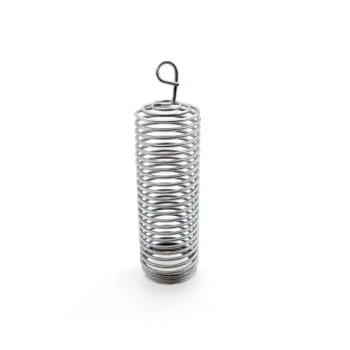
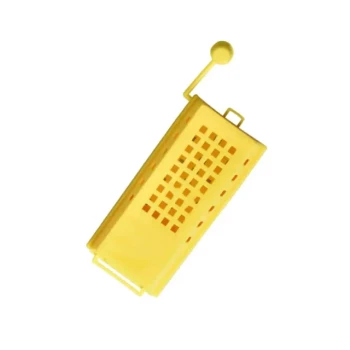
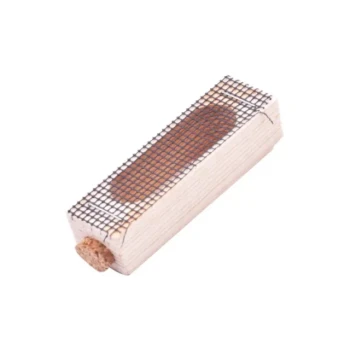
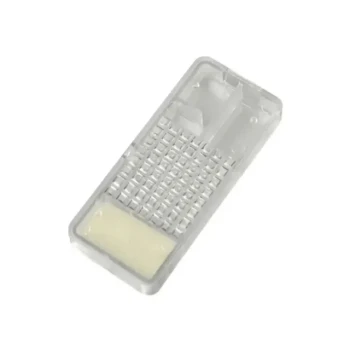
Researchers place the queen inside a wire gauze cage directly over an empty section of comb. This physically confines her laying activity to a known location.
Defining the Start Point
The queen is typically confined for a 24-hour window. Because all eggs within this caged area are laid within the same day, they hatch into larvae at approximately the same time.
This creates a "time-stamp" for the biological subjects. Researchers can now define "Day 0" of larval development with high precision.
Why Standardization Matters for Survival Rates
Isolating Experimental Variables
When testing the toxicity of agrochemicals, such as insecticides or fungicides, variables must be minimized.
If larvae are of different ages, older larvae might be more resilient to chemicals than younger ones. This natural variation would skew the data, making it unclear if survival rates were due to the chemical or the larvae's maturity.
Accurate Mortality Tracking
With a synchronized cohort, researchers can track the group through specific growth phases.
Because every larva in the test group is at the same developmental stage, any spike in mortality can be statistically correlated to the introduced stressor rather than random biological noise.
Understanding the Trade-offs
Colony Disruption
While essential for data, caging the queen interrupts the natural flow of the hive.
The queen is the central figure of the colony; restricting her prevents her from maintaining the colony’s overall brood population during the isolation period.
Stress Considerations
Although Queen Cages are designed for safety—often used for transport or introducing new queens—confinement is unnatural for an active laying queen.
This method is a trade-off: researchers accept a brief period of disruption to the queen's routine in exchange for the scientific validity of the resulting data.
Making the Right Choice for Your Goal
Whether you are conducting high-level research or managing a backyard apiary, the Queen Cage is a tool of control.
- If your primary focus is toxicological research: Use the cage to enforce a 24-hour laying window, ensuring your data is not corrupted by age-related variances in the larvae.
- If your primary focus is general hive management: Use the cage primarily for the safe transport of queens or to slowly introduce a new queen to a colony, allowing workers to acclimate to her pheromones.
Precision in the beginning ensures clarity in the results.
Summary Table:
| Feature | Research Application | Benefit to Beekeeping Study |
|---|---|---|
| Spatial Restriction | Confines queen to a specific comb area | High concentration of eggs in one location for easy monitoring |
| Temporal Control | Limits laying to a 24-hour window | Creates a synchronized cohort of larvae with identical ages |
| Variable Isolation | Eliminates age-related maturity differences | Ensures mortality data is caused by stressors, not biological noise |
| Data Precision | Defines an exact "Day 0" for development | Increases statistical validity for toxicological or nutritional trials |
Elevate Your Apiary Operations with HONESTBEE
Precision in beekeeping—whether for scientific research or commercial production—requires the right tools. At HONESTBEE, we specialize in supporting commercial apiaries and distributors with a comprehensive range of high-quality wholesale solutions.
From queen cages and specialized beekeeping hardware to advanced honey-filling machines and hive-making equipment, our portfolio covers the full spectrum of industry needs. We provide the essential consumables and machinery required to scale your business and ensure the health of your colonies.
Ready to optimize your supply chain? Contact us today to discover how HONESTBEE’s wholesale offerings can bring unparalleled value and efficiency to your beekeeping enterprise.
References
- Kirsten S. Traynor, Zachary S. Lamas. Social disruption: Sublethal pesticides in pollen lead to Apis mellifera queen events and brood loss. DOI: 10.1016/j.ecoenv.2021.112105
This article is also based on technical information from HonestBee Knowledge Base .
Related Products
- Durable Galvanized Steel Spring Queen Bee Cage
- Professional Queen Cage with Sliding Gate and Feeder Plug
- Classic Wooden and Mesh California Queen Cage
- Professional Queen Bee Introduction and Transport Cage
- Professional Multi-Functional Queen Bee Cage
People Also Ask
- Why are specialized queen bee cages used for the banking of mated queen bees? Maximize Commercial Apiary Storage Efficiency
- What is the mechanism of action for using temporary queen bee cages? Master Successful Queen Introduction
- What is the step-by-step process for installing a queen bee's cage onto a frame? Ensure Hive Acceptance Safely
- What is the optimal placement for a queen bee cage? Essential Strategies for Successful Re-queening
- What are the advantages and disadvantages of introducing a queen bee by embedding the cage? Boost Your Queen Acceptance