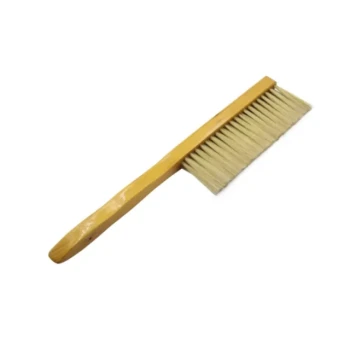
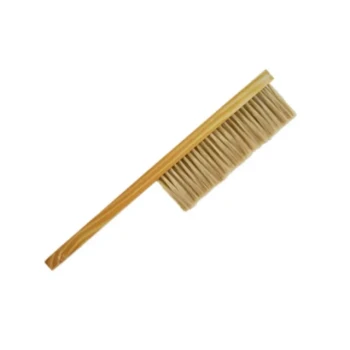
A soft drawing brush is a precision tool designed to remove excess loose pollen from the surface of the honeycomb and level the cell contents. Its primary function is to establish a fill line approximately 1 millimeter below the cell rim, ensuring the frame is clean and standardized before it enters the hive.
This step is critical for sanitation and biology; it prevents the attraction of parasites caused by overflow and reserves the exact amount of physical space worker bees require to cap the cells and initiate fermentation.
Ensuring Hive Hygiene and Resource Safety
Removing Excess Debris
Loose pollen left on the ridges or surface of the comb is a significant liability. The soft brush sweeps these particles away, preventing them from falling onto the hive floor or interfering with frame handling.
Reducing Parasitic Risk
Overflowing pollen is an open invitation to hive pests. By cleaning the edges of the honeycomb cells, you remove easy food sources that might otherwise attract parasites looking for exposed nutrients.
Preventing Waste
Pollen is a high-value resource that is labor-intensive to collect and pack. Brushing ensures that the pollen remains compacted within the cell structure where it is useful, rather than being scattered and lost.
Facilitating the Fermentation Process
Creating the Necessary Gap
The mechanical action of the brush ensures the pollen level does not reach the very top of the cell. Maintaining a level approximately 1 millimeter below the rim is not an arbitrary measurement; it is a functional requirement.
Space for Bee Secretions
Worker bees do not simply store pollen; they process it. The empty space at the top of the cell allows bees to add their own secretions and cappings.
Promoting Beebread Conversion
This space is the "microenvironment" where fermentation occurs. The bee's added secretions convert raw pollen into beebread, breaking down nutrients to make them absorbable for the colony.
Understanding the Trade-offs
The Consequence of Overfilling
If you skip this brushing step, the cells remain filled to the brim. This leaves no volume for the bees to add the enzymes required for fermentation, potentially leading to spoilage or lower-quality nutrition.
The Importance of Bristle Texture
The brush must be "soft" for a specific reason. A stiff or abrasive brush could damage the delicate wax structure of fully drawn-out combs, compromising the physical carrier that holds the pollen.
Optimizing Your Filling Technique
To get the most value from your manual pollen filling process, apply the brushing technique according to your specific objectives:
- If your primary focus is disease prevention: Prioritize cleaning the frame edges and rims, as loose pollen here is the primary vector for attracting pests.
- If your primary focus is nutritional quality: strictly enforce the 1 millimeter gap to guarantee bees have adequate room to add the secretions necessary for high-quality beebread fermentation.
Precision at this stage effectively transforms raw pollen powder into a secure, bio-available food source for the colony.
Summary Table:
| Feature | Purpose | Benefit |
|---|---|---|
| Bristle Texture | Soft & non-abrasive | Protects delicate wax cell structures from damage. |
| Fill Leveling | Creates 1mm gap below rim | Provides space for bee secretions and fermentation. |
| Surface Cleaning | Removes loose pollen debris | Prevents pest attraction and hive contamination. |
| Waste Prevention | Compacts pollen into cells | Maximizes high-value resource utilization. |
Elevate Your Apiary Operations with HONESTBEE
Precision beekeeping requires the right tools. At HONESTBEE, we empower commercial apiaries and distributors with a comprehensive range of professional-grade equipment. From specialized hive-making and honey-filling machinery to essential consumables and artisanal cultural merchandise, we provide the wholesale solutions you need to scale your business.
Ready to optimize your production and supply chain? Contact our expert team today to discuss your wholesale needs!
References
- Nuru Adgaba, Yehya Alattal. Brood-Rearing Enhancing Potential of Manually Packed Pollen Feeding in Comparison with Pollen and Pollen Supplements in Patty Forms. DOI: 10.2478/jas-2020-0023
This article is also based on technical information from HonestBee Knowledge Base .
Related Products
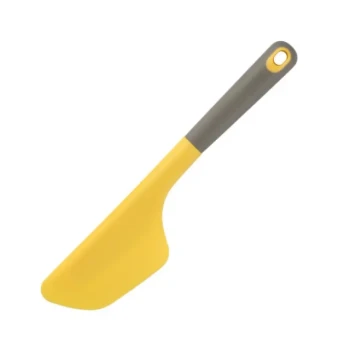
- Professional Long-Handled Silicone Honey Scraper for Beekeeping
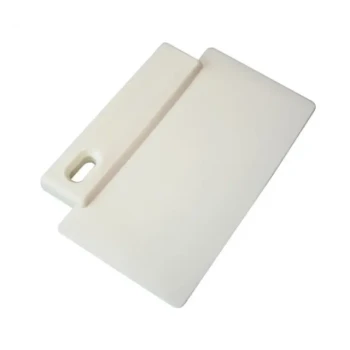
- Professional Wide Blade Honey Scraper for Beekeeping and Honey Processing
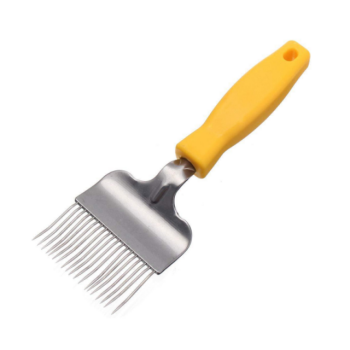
- Professional Bent Tine Honey Uncapping Fork with Ergonomic Grip
- Wooden Bee Brush with Triple Row Artificial Fiber for Beekeeping
- Double Row Artificial Fiber Bee Brush for Beekeeping
People Also Ask
- How does environmental temperature control influence the efficiency of honey scraping equipment? Optimize Your Flow
- What are the technical requirements for beekeeping equipment used in the production of comb honey compared to filtered honey?
- How do beekeepers collect honey without getting stung? Master the Art of a Safe Harvest
- What tools and machinery are essential to resolve common operational constraints such as equipment shortages and improper honey harvesting? Discover the complete honey-harvesting equipment lineup for commercial apiaries and distributors.
- What are the steps involved in the uncapping process? Master the Art of Harvesting Pure Honey