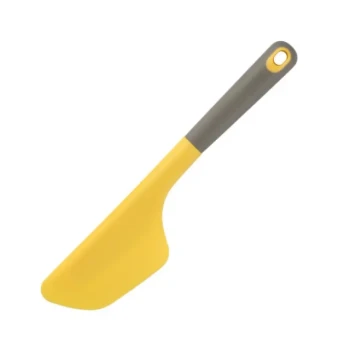
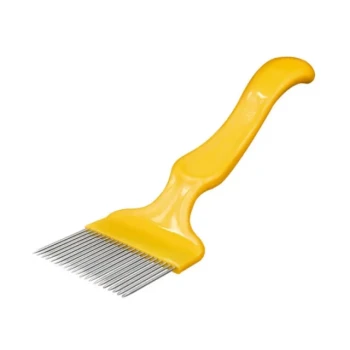
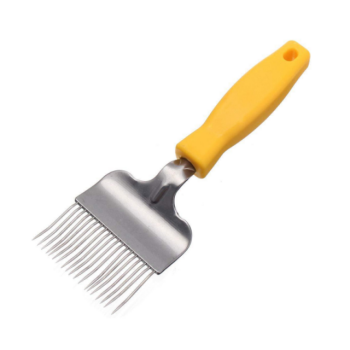
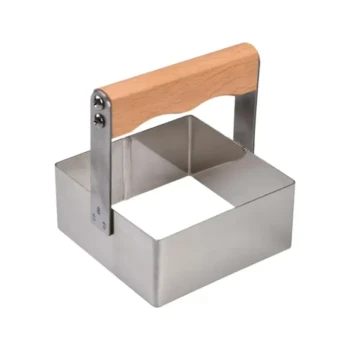
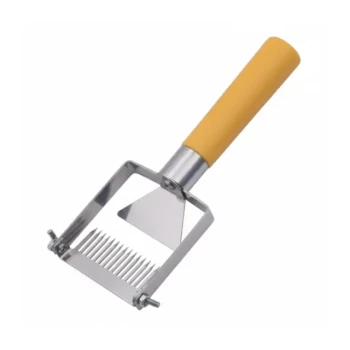
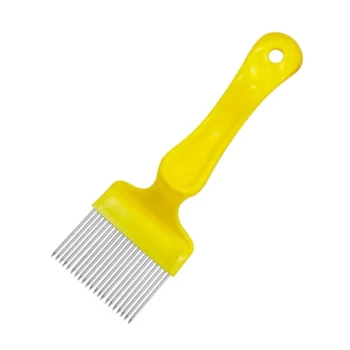
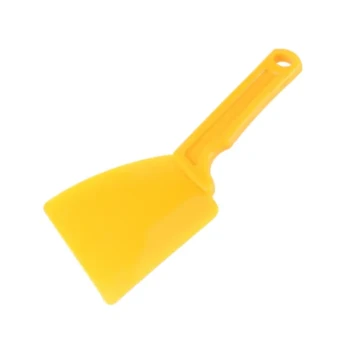
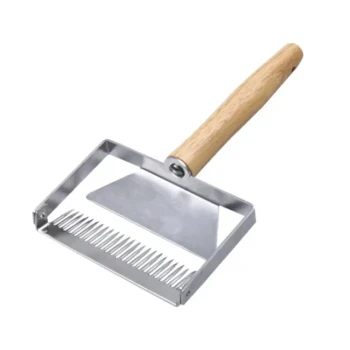
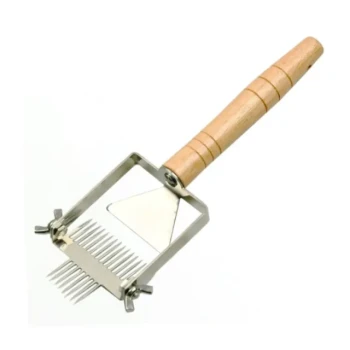
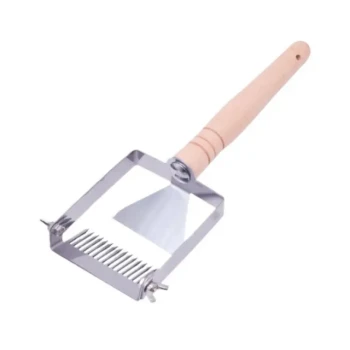
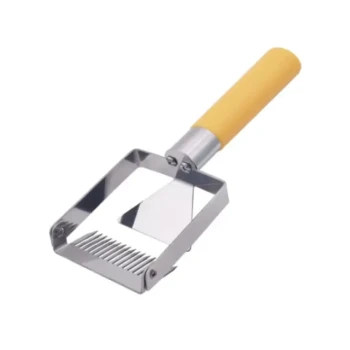
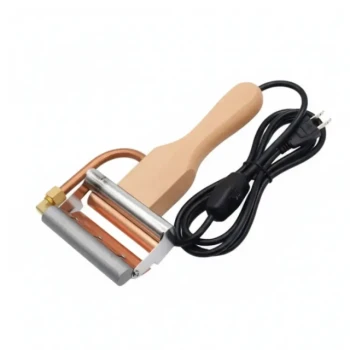
Professional remediation is non-negotiable because leaving any organic material behind inevitably triggers secondary structural damage. Simply removing the bees is insufficient; professional tools are required to open the void and thoroughly extract honeycomb, wax, honey, pollen, and larvae to prevent rot, pest infestation, and irreversible staining.
The hive itself poses a greater long-term risk to your building than the bees do. Leaving a hive intact creates a "biological time bomb" of fermenting organic matter that destroys building materials and invites new infestations.
The Hidden Biological Hazards
The Problem of Decomposing Biomass
A honeybee hive is not just a structure of wax; it is a living ecosystem filled with larvae, pollen, and raw honey.
Once the bees are removed or exterminated, they can no longer maintain the hive's temperature or hygiene. Consequently, the larvae begin to decay and the honey begins to ferment.
The Consequences of Fermentation
As this biological breakdown occurs, it produces foul, persistent odors.
Because the hive is located within a wall void, these odors are often trapped and forced inward, permeating the living space of the building.
Preventing Secondary Infestations
The Magnet for Scavengers
An abandoned hive acts as a massive food source for other unwanted pests.
If the organic residues are not physically cut out and removed, they act as a beacon for scavengers looking for sugar and protein.
Specific Pest Risks
The primary reference highlights several specific pests attracted to decaying hives.
Cockroaches and wax moths will quickly infest the wall void to feed on the remains. Additionally, small hive beetles thrive in these environments, effectively replacing one pest problem with several others.
Protecting Building Integrity
The Risk of Seepage
Honey and wax are not solid, static materials.
Without the bees to ventilate and cool the colony, wax combs often melt, causing the honey stored inside to flow freely.
Permanent Structural Staining
This melting mixture seeps into porous building materials.
It can easily penetrate ceilings and drywall, creating dark, sticky stains. These stains are structurally damaging and notoriously difficult to repair, often requiring the complete replacement of the affected walls or ceilings.
Common Pitfalls to Avoid
The "Spray and Seal" Error
A critical mistake is assuming that killing the bees with insecticide is the end of the job.
Sealing an entry point without removing the hive traps the biomass inside. This accelerates decomposition and forces the resulting damage—odors and seepage—into the interior of the home.
Incomplete Removal
Using amateur tools often leads to unreachable residues.
If even small amounts of honey or pollen are left in the crevices of the framing, the scent remains. This not only attracts pests but can also attract new honeybee swarms looking for a home in the future.
Making the Right Choice for Your Goal
To ensure the safety and longevity of your structure, you must treat this as a construction project, not just pest control.
- If your primary focus is protecting property value: Insist on a contractor who utilizes professional tools to cut into the wall and physically remove all wax and structural debris.
- If your primary focus is hygiene and air quality: Prioritize the complete extraction of pollen and larvae to prevent fermentation odors and mold growth.
- If your primary focus is pest prevention: Ensure the void is scraped clean to remove the food sources that attract cockroaches and beetles.
Complete physical removal is the only method that guarantees the problem is solved rather than hidden.
Summary Table:
| Hazard Category | Impact of Residue | Long-Term Consequences |
|---|---|---|
| Biological Decay | Larvae and pollen decompose | Foul odors and fermentation in wall voids |
| Secondary Pests | Leftover sugar and protein | Infestations of cockroaches, wax moths, and beetles |
| Structural Damage | Wax melts and honey seeps | Permanent staining of drywall and ceiling replacement |
| Future Infestation | Residual pheromones/scents | Attraction of new honeybee swarms to the same site |
Secure Your Infrastructure with HONESTBEE Professional Solutions
Leaving honeycomb residues in walls is a biological time bomb for any property. At HONESTBEE, we empower commercial apiaries, distributors, and property maintenance professionals with the heavy-duty machinery and specialized tools required for comprehensive remediation.
From industrial-grade honey-filling machines to specialized hive-making hardware and essential consumables, we provide the full spectrum of equipment needed to maintain hive hygiene and structural integrity. Whether you are scaling a commercial beekeeping operation or supplying the industry, our wholesale portfolio ensures you have the right tools for the job.
Protect your assets and ensure long-term property hygiene—Contact us today to explore our wholesale equipment catalog!
References
- Michael K. O’Malley, Jamie Ellis. Choosing the Right Pest Control Operator for Honey Bee Removal: A Consumer Guide. DOI: 10.32473/edis-in771-2008
This article is also based on technical information from HonestBee Knowledge Base .
Related Products
- Stainless Steel Jack Type Honey Comb Press Machine Wax and Honey Separator
- Professional Wide Blade Honey Scraper for Beekeeping and Honey Processing
- Professional Long-Handled Silicone Honey Scraper for Beekeeping
- Professional Honey Uncapping Fork Tool with Customizable Tine Options
- Professional Bent Tine Honey Uncapping Fork with Ergonomic Grip
People Also Ask
- Can you heat honey to separate from wax? A Guide to Preserving Honey Quality
- How do you separate honey from wax at home? A Simple Guide to Zero-Waste Harvesting
- How do you separate honey from wax cappings? Choose the Best Method for Your Harvest
- How do I separate honey from wax? A Two-Stage Process for Maximum Yield
- What temperature does wax separate from honey? Achieve Clean, Efficient Honey Rendering