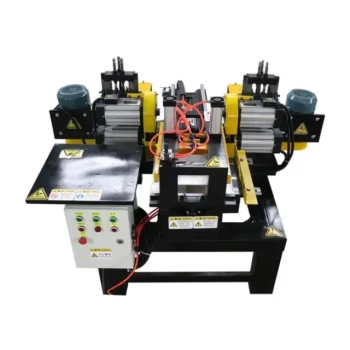
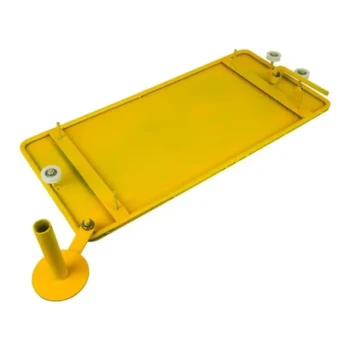
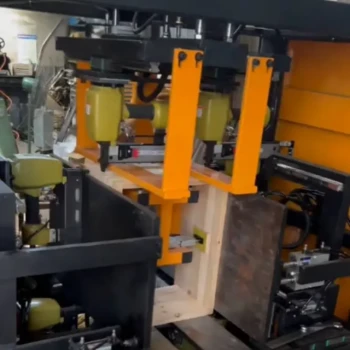
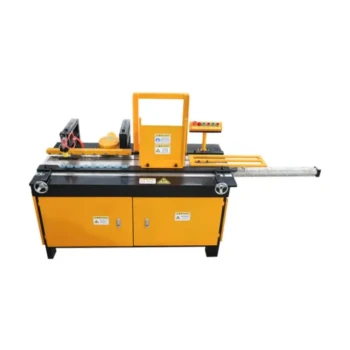
A thickness planer is essential because it is the only tool capable of processing rough-sawn timber into boards of precise, uniform thickness with perfectly flat surfaces. In the context of beekeeping, this mechanical precision is a functional requirement for creating the airtight, seamless joints necessary for modular hive systems.
While saws cut wood to the correct length and width, a thickness planer ensures the vertical integrity of the hive. It guarantees that stacked hive bodies sit flush against one another, creating a seal that is critical for colony survival.
The Mechanics of Stacked Hive Systems
Achieving Uniform Thickness
Rough-sawn lumber naturally varies in thickness and often contains surface imperfections. Attempting to build a hive box with inconsistent boards results in misaligned joints and unstable structures.
A thickness planer reduces every board to an exact, identical dimension. This uniformity is the baseline requirement for constructing square, stable boxes that can be stacked safely.
Ensuring a Seamless Fit
Modern apiary designs, such as the Dadant or Langstroth systems, rely on vertical modularity. This means multiple boxes (supers) must be stacked on top of one another as the colony grows.
If the mating surfaces of these boxes are not perfectly flat, gaps will form between the layers. The planer creates the parallel, flat surfaces required to eliminate these gaps, ensuring the boxes function as a single, cohesive unit.
The Biological Impact on the Colony
Preventing Heat Loss
Honeybees expend a tremendous amount of energy regulating the internal temperature of the hive, particularly to protect the brood.
Gaps caused by uneven wood surfaces act as vents, allowing precious heat to escape and creating drafts. By planing the wood flat, you ensure a tight seal that helps the colony conserve energy for honey production and winter survival.
Blocking External Pests
The physical integrity of the hive is the first line of defense against intruders.
Small openings between hive bodies serve as entry points for pests such as wax moths, ants, and robber bees. A precision fit, achieved through proper surface treatment, effectively blocks these external threats from entering the colony.
Common Pitfalls to Avoid
Relying Solely on Saws
A common mistake is assuming a table saw or circular saw is sufficient for hive construction. While these tools dimension the wood's width and length, they cannot correct twisted or cupped surfaces.
Using warped boards without planing leads to "rocking" boxes that never seal properly, regardless of how tightly they are fastened.
Over-Planing the Material
While achieving a flat surface is critical, removing too much material can be detrimental.
Beehive walls provide insulation. If you plane the boards too aggressively to remove deep defects, the walls may become too thin to protect the bees from extreme cold or heat. You must balance surface flatness with maintaining adequate structural thickness.
Making the Right Choice for Your Goal
Building beehives requires balancing mechanical precision with biological needs.
- If your primary focus is Colony Health: Prioritize planing to create airtight seals that minimize thermal stress and eliminate drafts.
- If your primary focus is Equipment Stability: Ensure all boards are planed to the exact same thickness to prevent wobbly stacks and misaligned components.
Precision in the workshop translates directly to security in the apiary.
Summary Table:
| Feature | Impact of Planing | Benefit for the Colony |
|---|---|---|
| Surface Flatness | Eliminates gaps between stacked hive bodies | Prevents heat loss and maintains internal temperature |
| Uniform Thickness | Ensures all boards are identical for square boxes | Provides structural stability for high-stacked supers |
| Joint Integrity | Creates seamless, flush-fitting mating surfaces | Blocks entry points for pests like wax moths and ants |
| Timber Correction | Removes twists, cups, and rough-sawn imperfections | Prevents "rocking" boxes and ensures professional finish |
Elevate Your Beekeeping Production with HONESTBEE
At HONESTBEE, we understand that precision in the workshop leads to productivity in the apiary. As a premier partner for commercial apiaries and distributors, we provide more than just tools—we provide the competitive edge your business needs.
Our comprehensive wholesale range includes:
- Advanced Machinery: High-precision hive-making and honey-filling machines to scale your operations.
- Quality Hardware: Durable beekeeping tools and equipment designed for industrial-grade use.
- Essential Consumables: A wide array of supplies to keep your colonies and business thriving.
- Cultural Merchandise: Unique honey-themed products to expand your market reach.
Whether you are upgrading your manufacturing facility or stocking your distribution center, HONESTBEE is committed to delivering quality, reliability, and value.
Ready to scale your beekeeping business?
Contact our expert team today to discuss wholesale solutions
References
- Anna Dupleix, Delphine Jullien. Fabriquer ses ruches, est-ce prendre soin des abeilles ?. DOI: 10.21494/iste.op.2023.1034
This article is also based on technical information from HonestBee Knowledge Base .
Related Products
- Professional Bee Frame Machine for Side Bar Shaping
- Langstroth Solid Bottom Board for Beekeeping
- HONESTBEE Top Bar & Bottom Bar Forming Machine | Bee Frame Machine
- Ergonomic Plastic Frame Spacer Tool for Rapid Hive Management Beekeeping
- HONESTBEE Durable Frame Wiring Board with Integrated Tensioner
People Also Ask
- What are the differences between wedged-top and grooved-top frames? Choose the Right Foundation System
- What types of damage on bee frames indicate they can be cleaned for reuse? Save Costs with Proper Frame Restoration
- What should a healthy bee frame look like? Identify a Thriving Colony with These Key Signs
- Can old bee frames be reused? Weighing the Risks vs. Rewards for Your Hive
- How long do bee frames last? A Guide to Lifespan and Replacement for Healthy Hives