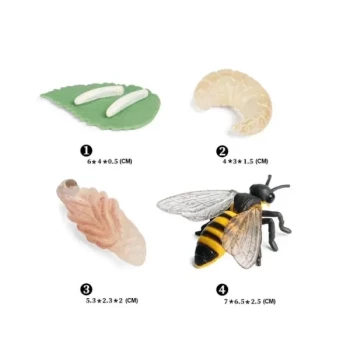
An incubator is an absolute requirement for collecting newly emerged honeybees because it serves as a controlled, artificial hive environment that isolates capped brood frames from the chaos of a live colony. By maintaining darkness, a temperature of approximately 35°C, and 30-50% relative humidity, it allows researchers to harvest bees within a precise 0-24 hour age window.
This mechanical simulation ensures that every bee collected is physiologically synchronized, eliminating the age-related variables that would compromise sensitive data in metabolomics or toxicology studies.
The incubator acts as a standardization tool, effectively removing physiological noise caused by age discrepancies or environmental stress. This precision ensures that any observed changes in the bees are the result of your experimental variables—such as pesticide exposure or nutrition—rather than inconsistencies in their development.
The Science of Standardization
Eliminating Age Variability
In a natural hive, bees emerge continuously and immediately mix with older generations. This makes it impossible to distinguish a bee that hatched one hour ago from one that hatched two days ago.
By moving capped brood frames to an incubator, researchers can check the frames daily.
This allows for the collection of bees that are strictly 0-24 hours old, creating a sample group with synchronized biological clocks.
Mimicking the Internal Hive Environment
Honeybees are extremely sensitive to their physical environment. To ensure normal physiological development outside the colony, the incubator must simulate the hive's internal conditions.
The primary reference dictates maintaining dark conditions at 35°C (with supplementary sources noting a range around 34°C).
Additionally, relative humidity is controlled between 30-50%. This prevents desiccation or mold growth, ensuring the emerging bees are healthy and unstressed.
Ensuring Data Integrity
Establishing a Physiological Baseline
Scientific validity relies on reducing variables. For high-precision fields like metabolomics analysis or pesticide sensitivity testing, even minor differences in metabolic rate or immune system maturity can skew results.
Newly emerged bees collected via an incubator provide a "blank slate."
Because they have not yet consumed hive resources or been exposed to colony-specific pathogens, their physiological baseline is uniform across the sample group.
Removing Environmental Interference
In a field setting, temperature and humidity fluctuate wildly. These fluctuations can impact bee survival rates and immune responses, introducing "noise" into your data.
A precision biochemical incubator provides a stable thermal and atmospheric environment.
This ensures that any observed differences in survival or immunity are truly caused by the specific stressor being tested (e.g., nutritional deprivation or pathogen infection), not by a cold draft in the lab.
Critical Considerations and Constraints
The Risk of Artificial Isolation
While an incubator standardizes the physical environment, it removes the social context of the hive.
Bees are eusocial creatures; isolating them immediately upon emergence prevents the natural transfer of gut microbiota and pheromones from older sisters.
Researchers must account for this "clean" state when interpreting data regarding microbiome or social behavior.
Dependence on Equipment Precision
The reliability of your data is entirely dependent on the stability of the incubator.
A malfunction that causes a temperature spike or a drop in humidity can induce heat stress or dehydration in the emerging bees.
This invisible damage can alter their metabolic profiles before the experiment even begins, rendering the sample invalid.
Optimizing Your Experimental Design
When designing a study involving honeybees, the role of the incubator changes slightly based on your specific scientific goals.
- If your primary focus is Toxicology or Metabolomics: You must prioritize the incubator's ability to restrict age to the 0-24 hour window to minimize physiological variability.
- If your primary focus is Survival or Immunology: You must prioritize the incubator's stability (temperature and humidity) to prove that environmental fluctuations are not the cause of mortality.
By rigorously controlling the emergence environment, you transform biological variability into reliable, reproducible data.
Summary Table:
| Feature | Optimal Incubator Setting | Impact on Research |
|---|---|---|
| Temperature | 34°C - 35°C | Simulates hive warmth; ensures normal physiological development. |
| Humidity | 30% - 50% RH | Prevents desiccation or mold; maintains bee health. |
| Light | Constant Darkness | Mimics internal hive conditions to reduce stress. |
| Age Window | 0 - 24 Hours | Synchronizes biological clocks for metabolomics/toxicology. |
| Data Quality | Stable Environment | Eliminates 'physiological noise' from environmental fluctuations. |
Elevate Your Apiary Operations with HONESTBEE
Precision is the backbone of successful beekeeping, whether in a research lab or a commercial apiary. HONESTBEE specializes in supporting commercial apiaries and distributors with a comprehensive range of professional-grade beekeeping tools and machinery.
From advanced hive-making and honey-filling machines to essential industry consumables and honey-themed cultural merchandise, we provide the full spectrum of equipment needed to scale your business and ensure data integrity.
Ready to upgrade your equipment? Contact us today to discover how our wholesale solutions can enhance your efficiency and production quality.
References
- Hamidreza Ardalani, Inge S. Fomsgaard. Metabolomics unveils the influence of dietary phytochemicals on residual pesticide concentrations in honey bees. DOI: 10.1016/j.envint.2021.106503
This article is also based on technical information from HonestBee Knowledge Base .
Related Products
- Portable Queen Bee Incubator with 12V Car Adapter for Safe Transport
- Queen Bee Artificial Insemination Instrument Equipment for Instrumental Insemination
- Galvanized Beekeeping Smoker for Honey Bee and Apiculture
- Assembled Wooden Bee Frames with Plastic Foundation for Durability and Convenience by HONESTBEE
- Honey Bee Lifecycle Model: A Detailed Honeycomb Display of Bee Development
People Also Ask
- What happens if a colony loses its queen during the nectar flow? A Guide to Salvaging Your Honey Harvest
- How can you tell if the worker bees have accepted the queen? Decode Bee Behavior for a Thriving Hive
- How can the queenless state of a newly created nuc be resolved? Expert Solutions for Colony Growth
- What are the primary reasons for replacing a queen bee? Boost Your Commercial Honeybee Colony's Success
- What queen bee behaviors should be observed after introduction? Ensure Hive Success with Our Expert Monitoring Guide