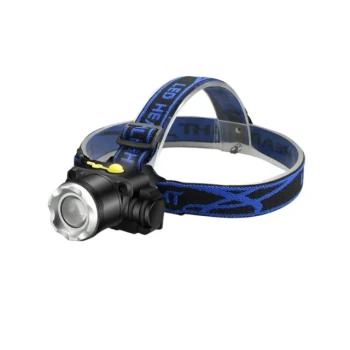
Precision is the cornerstone of successful grafting. Cold light source lighting is required because it decouples high-intensity brightness from heat generation. Standard lighting emits thermal energy that rapidly dehydrates the delicate larvae, leading to death or rejection, whereas cold light ensures perfect visibility without compromising the larvae's biological integrity.
Success in queen rearing depends on maintaining a stable environment for the brood. Cold light sources solve the critical paradox of grafting: providing the intense visibility required for the beekeeper to work while maintaining a low-temperature environment that prevents larval dehydration.
The Biological Vulnerability of Larvae
Larvae selected for grafting are in a highly sensitive developmental stage. Understanding their biological needs explains why temperature control is non-negotiable.
Preventing Rapid Dehydration
Young larvae are suspended in a small amount of royal jelly. This moisture is critical for their respiration and survival.
Heat-emitting light sources accelerate evaporation in this microscopic environment. Cold light prevents this drying effect, preserving the moisture balance essential for life.
Avoiding Thermal Stress
Larvae cannot regulate their own body temperature. They are entirely dependent on their immediate environment.
Exposure to the excess heat of a standard bulb can induce thermal shock. This stress can kill the larva immediately or damage it enough that it fails to develop properly.
Operational Precision and Success Rates
Beyond basic survival, the choice of lighting directly impacts the efficiency of the apiary's queen rearing operation.
High Visibility in Enclosed Spaces
Grafting often takes place in enclosed or semi-enclosed environments to protect against wind and weather.
In these small spaces, heat builds up quickly. Cold light sources provide the sufficient brightness needed to identify and lift tiny larvae without turning the workspace into a damaging "oven."
Improving Queen Acceptance
The ultimate metric for a beekeeper is the rate at which the colony accepts the grafted cups.
Colonies are highly sensitive to the quality of the introduced larvae. If a larva has been heat-stressed or partially dehydrated, the nurse bees will likely detect the damage. Cold light significantly increases the success rate of acceptance by ensuring the larvae remain healthy during the transfer.
Understanding the Trade-offs
While cold light is the superior technical choice, it is important to understand the operational context compared to standard lighting.
Equipment vs. Environment
Standard incandescent or halogen bulbs are readily available but are biologically hazardous in close proximity to brood. They force the beekeeper to work faster or at a greater distance, reducing precision.
The Investment in Reliability
Cold light sources often represent a specific equipment choice (such as specialized LEDs or fiber optics). The trade-off is an investment in gear versus the potential loss of viable queens. relying on ambient or hot light introduces a variable of environmental instability that can undermine an entire grafting session.
Making the Right Choice for Your Goal
The lighting you choose should align with your specific objectives in the queen rearing process.
- If your primary focus is maximzing acceptance rates: Prioritize cold light sources to ensure larvae remain hydrated and stress-free during the transfer.
- If your primary focus is workflow precision: Use cold light to allow yourself the time to graft carefully without worrying about "cooking" the larvae under the lamp.
By removing heat from the equation, you transform grafting from a race against dehydration into a precise, controlled procedure.
Summary Table:
| Lighting Feature | Standard Lighting (Incandescent/Halogen) | Cold Light Source (LED/Fiber Optic) |
|---|---|---|
| Heat Generation | High (Emits thermal energy) | Minimal to None |
| Larval Impact | Risk of dehydration and thermal shock | Preserves moisture and biological integrity |
| Visibility | Bright but heat-intensive | High-intensity brightness without heat |
| Success Rate | Lower due to larval stress | Significantly higher queen acceptance |
| Precision | Rushed due to heat concerns | Allows for calm, precise grafting |
Elevate Your Queen Rearing Success with HONESTBEE
Precision in the grafting room translates to strength in the apiary. At HONESTBEE, we understand that commercial success depends on the health of your brood. As a premier provider for commercial apiaries and global distributors, we supply the specialized tools necessary to optimize your workflow.
From high-precision beekeeping machinery and honey-filling solutions to the essential consumables and specialized lighting hardware needed for delicate grafting, our portfolio is designed to enhance your operational efficiency.
Ready to scale your production and improve your queen acceptance rates?
Contact our wholesale experts today to discover how our comprehensive range of beekeeping equipment can empower your business.
References
- Noran Gamal Eldin, Nasr K. Basuny. Effect of Pollen Supplements and Substitutes on Honey Bee Queen Ovaries and Worker Hypopharyngeal Glands. DOI: 10.21608/jppp.2018.41253
This article is also based on technical information from HonestBee Knowledge Base .
Related Products
- Stainless Steel Queen Grafting Tool for Beekeeping and Bee Queen Grafting
- Plastic Beekeeping Honey Bee Larvae Grafting Tools for Queen Rearing and Chinese Grafting
- Black 2 Pack Beekeeper Queen Grafting Tool for Bee Queen Larva Transferring Needle
- Stainless Steel Beekeeping Queen Grafting Tool for Honey Bee Rearing
- Professional Rechargeable Beekeeping Headlamp Flashlight with Red Light Mode and Type-C Charging
People Also Ask
- What are the steps involved in using a queen grafting tool? A Guide to Successful Queen Rearing
- What is grafting in queen rearing? Take Control of Your Apiary's Genetics
- What are the benefits of using a queen grafting tool for queen rearing? Master Precision for Superior Bee Genetics
- What is the step-by-step process for using a queen grafting tool? Master Larva Transfer for Better Queen Rearing
- What is the primary function of a queen grafting tool? Master Precise Larval Transfer for High Queen Acceptance