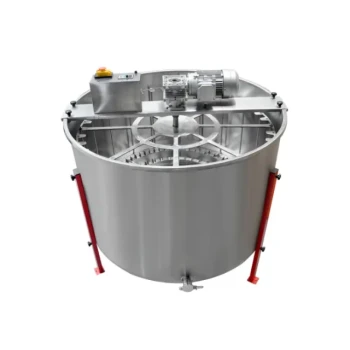
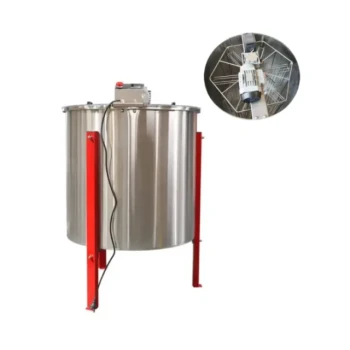
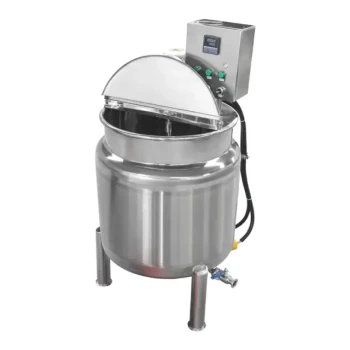
Processing plant-based supplements requires precision engineering to ensure bee health and feeder efficiency. High-efficiency crushing and mixing equipment is essential to transform raw plant materials into a fine, high-fluidity homogenate. This process prevents solid particles from clogging feeding systems and ensures micronutrients are uniformly dispersed, allowing bees to ingest the syrup easily through their specialized sucking mouthparts.
High-efficiency processing is the critical bridge between raw agricultural materials and viable bee nutrition, ensuring nutrient bioavailability while protecting the colony from feeding barriers and chemical toxicity.
Enhancing Bioavailability and Intake Efficiency
Mechanical Shear and Cell Wall Destruction
High-speed mixing equipment utilizes powerful mechanical shear forces to destroy the cell walls of plant materials like pumpkin or ginger. This process ensures that active antimicrobial components and vital nutrients are fully released into the aqueous phase. Without this deep blending, the nutrients remain trapped within the plant tissues, rendering the supplement ineffective.
Optimizing Fluidity for Sucking Mouthparts
Honeybees rely on delicate sucking mouthparts that require a specific fluidity profile in their feed. High-efficiency crushing grinds cooked materials into a microscopic slurry that mimics the consistency of natural nectar. This homogenization allows for a uniform distribution of sugar, honey, and plant matter that bees can process without physical strain.
Achieving Micronutrient Dispersion
To be effective, supplements must be highly dispersed throughout the syrup. Specialized equipment ensures that even trace amounts of vitamins or probiotics are integrated into the entire batch. This level of uniformity prevents "hot spots" of high concentration and ensures every bee in the colony receives the same nutritional profile.
Maintaining Feed Safety and Dosing Precision
Preventing Clogging and Equipment Wear
Large solid particles are the primary cause of failure in professional feeding systems. High-efficiency grinding ensures that the resulting homogenate is free of debris that could clog feeders or quantitative dosing devices. For B2B resellers, providing equipment that guarantees this consistency is vital for maintaining long-term customer satisfaction and reducing equipment returns.
Mitigating HMF Toxicity
During the processing of syrup, improper heating can lead to the production of Hydroxymethylfurfural (HMF), a compound toxic to bees. Industrial-grade mixing equipment often includes precision temperature control to prevent sugar degradation. This protects the bees from intestinal metabolic disorders and significantly reduces colony mortality rates.
Precision Dosing and Gut Stability
The honeybee gut microbiota is highly sensitive to the dosage of additives. High-precision quantitative feeders depend on a perfectly mixed solution to deliver consistent volumes of active ingredients. This stability is essential for maintaining the immune response of the colony, particularly during periods of environmental stress or natural food scarcity.
Understanding the Trade-offs
Cost vs. Colony Health
While lower-grade mixing tools may reduce initial capital expenditure, they often fail to achieve the particle size reduction necessary for bee ingestion. Inadequate mixing leads to sedimentation, which results in uneven dosing and potential starvation of certain colony segments. Investing in high-efficiency equipment is a preventative measure against the much higher cost of colony collapse.
Processing Speed vs. Nutrient Integrity
Ultra-fast delivery requirements in the B2B sector often lead to rushed processing. However, high-speed grinding must be balanced with thermal management to ensure the slurry does not overheat. Professional-grade equipment is designed to balance these two factors, providing rapid throughput without sacrificing the chemical integrity of the plant-based supplements.
Making the Right Choice for Your Goal
How to Apply This to Your Project
As a distributor or wholesaler, selecting the right processing and feeding technology is paramount to the success of your clients' apiaries.
- If your primary focus is maximizing nutrient absorption: Prioritize high-shear mixing equipment that guarantees cell wall destruction and deep nutrient integration.
- If your primary focus is large-scale operational efficiency: Invest in high-fluidity processing systems that prevent feeder clogging and reduce the need for manual maintenance.
- If your primary focus is colony safety and longevity: Ensure your sourcing portfolio includes equipment with integrated temperature controls to prevent HMF formation.
- If your primary focus is scientific precision and dosing: Opt for high-precision quantitative feeders that require a perfectly homogenized syrup to function correctly.
Choosing the right high-efficiency equipment ensures that plant-based supplements are a benefit to the hive rather than a logistical or biological hazard.
Summary Table:
| Key Feature | High-Efficiency Equipment | Impact on Bee Health & Operation |
|---|---|---|
| Particle Size | Microscopic homogenate | Prevents feeder clogging; fits sucking mouthparts |
| Bioavailability | High-shear cell wall destruction | Maximizes release of vitamins and antimicrobials |
| Mixing Uniformity | Precision micronutrient dispersion | Ensures consistent dosing across the entire colony |
| Safety Control | Integrated thermal management | Prevents HMF toxicity caused by overheating syrup |
| Reliability | Industrial-grade durability | Reduces maintenance costs and equipment downtime |
Scale Your Success with HONESTBEE Professional Equipment
Partner with HONESTBEE to elevate your supply chain. As a premier one-stop sourcing partner for distributors, wholesalers, and B2B resellers, we provide a comprehensive portfolio of professional beekeeping machinery, tools, and consumables.
From high-efficiency crushing and mixing systems to honey-filling machines, our products are designed to maximize profit margins and operational reliability. Benefit from our deep industry expertise, rapid delivery, and dedicated OEM/ODM support.
Ready to enhance your wholesale offering? Contact HONESTBEE today to get your custom quote!
References
- Naznin Sultana, Md. Mashiur Rahman. Evaluating the efficiency of supplementary feeding as a management strategy for enhancing honeybee (Apis mellifera L.) colony growth and productivity. DOI: 10.3389/frbee.2024.1386799
This article is also based on technical information from HonestBee Knowledge Base .
Related Products
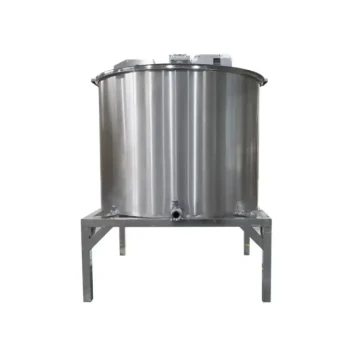
- Economy Honey Homogenizer Mixer and Melting Machine for Beekeeping
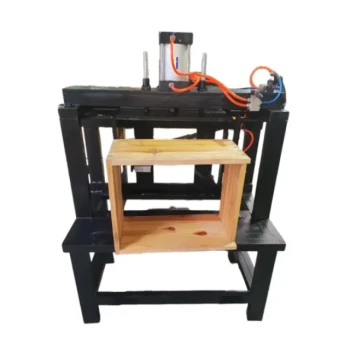
- High-Efficiency Pneumatic Bee Hive Making Machine for Rapid Box Assembly
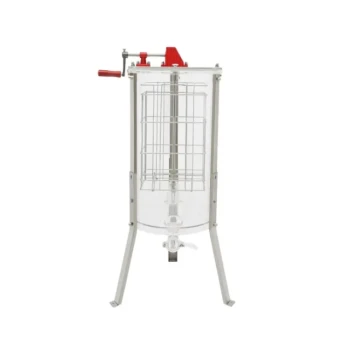
- HONESTBEE 2 Frame Manual Acrylic Honey Extractor Beekeeping Equipment
- Electric 8 Frame Honey Spinner Extractor Equipment for Beekeeping
- Professional Wide Blade Honey Scraper for Beekeeping and Honey Processing
People Also Ask
- What impact do homogenizers or oscillating equipment have on honey microbial detection? Ensure Testing Accuracy
- Why is thorough mechanical stirring and homogenization emphasized in honey processing? Ensure Sample Accuracy
- How do heating equipment and homogenizers liquefy crystallized honey? Expert Guide to Professional Honey Processing
- What is the significance of honey homogenization? Elevate Commercial Honey Quality and Brand Consistency
- What is the role of homogenization equipment in the sensory evaluation of honey? Ensure Precision and Consistency