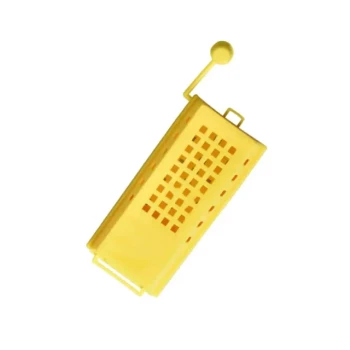
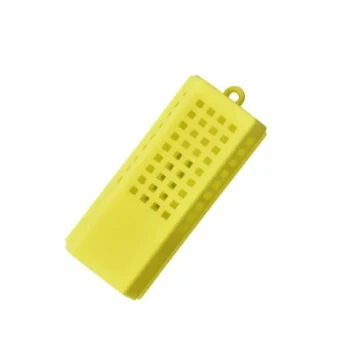
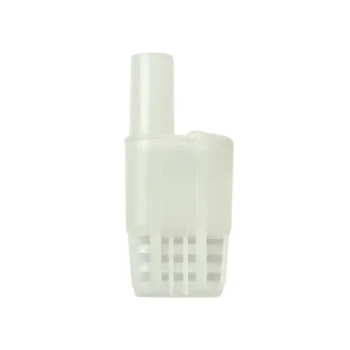
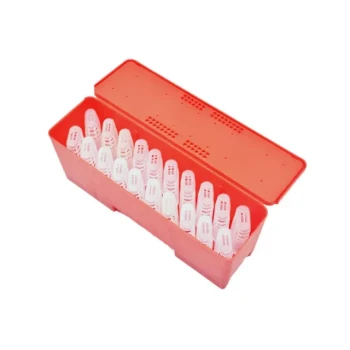
High-performance thermal insulation acts as a critical buffer against the volatility of extreme external temperatures. By stabilizing the internal microclimate of the queen bee cage, this insulation preserves the queen's pheromone activity and prevents physiological heat exhaustion, ensuring her successful integration into the hive.
Core Takeaway Thermal stability is the primary driver of colony integration in hot climates. By mitigating heat stress and preserving chemical signaling, insulated cages maintain queen acceptance rates at approximately 95 percent, directly protecting your apiary's bottom line against labor and replacement costs.
The Mechanics of Queen Preservation
Stabilizing the Internal Microclimate
In extreme heat, rapid temperature fluctuations can be lethal to a queen bee. High-performance insulation does not merely lower the temperature; it smooths out these dangerous spikes.
By acting as a thermal buffer, the cage creates a stable internal environment. This allows the queen to remain calm and physiologically stable, regardless of the scorching conditions outside the hive.
Protecting Pheromone Integrity
The acceptance of a new queen relies almost entirely on her chemical signature. Extreme heat can alter or degrade the pheromone activity essential for colony recognition.
Insulation protects these volatile chemical signals. When the queen’s pheromones remain potent and recognizable, the worker bees are far less likely to view her as an intruder, leading to higher acceptance rates.
Preventing Physiological Heat Exhaustion
A queen suffering from heat stress is lethargic and weak. Worker bees often reject a queen that appears physically compromised or behaves abnormally.
Thermal insulation prevents heat exhaustion by shielding the queen from peak ambient temperatures. A vital, active queen signals reproductive health to the colony, drastically improving her chances of survival during the introduction phase.
The Operational Impact
Achieving High Acceptance Rates
The ultimate metric for queen introduction is the acceptance rate. In extreme heat environments, standard cages often lead to high failure rates.
Data indicates that utilizing high-performance thermal insulation maintains acceptance rates at approximately 95 percent. This reliability turns a risky procedure into a predictable operational standard.
Reducing Operational Costs
Every failed queen introduction incurs a cost. You lose the cost of the queen, but you also lose valuable time and labor.
By securing high acceptance rates, insulated cages reduce the labor and material costs associated with colony replacement. This efficiency maximizes the return on investment for every hive management cycle.
Understanding the Trade-offs
Insulation is a Buffer, Not a Cooling Unit
It is critical to understand that insulation slows heat transfer; it does not generate cold.
If a cage is left in extreme heat for a prolonged period without relief, the internal temperature will eventually equalize with the outside air. Insulation provides a time window for safe transport and introduction, but it is not an indefinite solution for negligence.
Upfront Cost vs. Long-term Savings
High-performance cages represent a higher initial investment compared to standard containment.
However, this cost must be weighed against the expense of replacing queens and the labor involved in re-queening hives. The investment is justified by the prevention of failure, rather than the low cost of the hardware itself.
Securing Colony Success in Hot Climates
To maximize the stability of your apiary in high-temperature regions, align your equipment choices with your specific operational goals:
- If your primary focus is biological reliability: Prioritize thermal insulation to protect pheromone integrity and maintain a 95 percent acceptance rate.
- If your primary focus is cost efficiency: Invest in high-performance cages to eliminate the compounding costs of labor and materials associated with failed introductions.
By controlling the thermal environment, you move from hoping for queen acceptance to engineering it.
Summary Table:
| Feature | Impact on Queen Bee | Operational Benefit |
|---|---|---|
| Thermal Buffering | Stabilizes internal microclimate; prevents lethal spikes | Reduced queen mortality during transport |
| Pheromone Protection | Preserves chemical signaling and recognition | Higher integration success (approx. 95%) |
| Heat Stress Mitigation | Prevents lethargy and physiological exhaustion | Stronger signals of reproductive health |
| Cost Optimization | Reduces need for colony replacements | Lower labor and material overhead |
Maximize Your Apiary Productivity with HONESTBEE
Don't let extreme heat compromise your hive's future. HONESTBEE specializes in supporting commercial apiaries and distributors with premium, high-performance beekeeping equipment designed for biological reliability. From insulated queen containment to advanced honey-filling machines and specialized hardware, we provide the full spectrum of tools you need to thrive.
Partner with us to reduce your operational costs and secure a 95% queen acceptance rate.
Contact HONESTBEE Today for Wholesale Solutions
References
- Oleksandr Olshanskyi. IMPROVING THE PROFITABILITY OF U.S. APIARIES THROUGH THE USE OF OPTIMIZED QUEEN BEE TRANSPORTATION CAGES. DOI: 10.52058/2786-5274-2025-6(46)-559-570
This article is also based on technical information from HonestBee Knowledge Base .
Related Products
- Durable Galvanized Steel Spring Queen Bee Cage
- Professional Queen Bee Introduction and Transport Cage
- Professional Queen Cage with Sliding Gate and Feeder Plug
- Classic Wooden and Mesh California Queen Cage
- Professional Multi-Functional Queen Bee Cage
People Also Ask
- Why are specialized queen bee cages used for the banking of mated queen bees? Maximize Commercial Apiary Storage Efficiency
- What is the mechanism of action for using temporary queen bee cages? Master Successful Queen Introduction
- What is the step-by-step process for installing a queen bee's cage onto a frame? Ensure Hive Acceptance Safely
- What is the optimal placement for a queen bee cage? Essential Strategies for Successful Re-queening
- What are the advantages and disadvantages of introducing a queen bee by embedding the cage? Boost Your Queen Acceptance