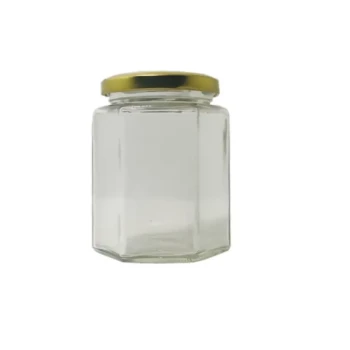
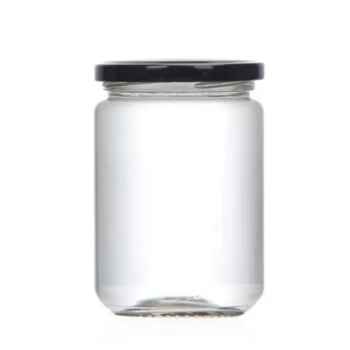
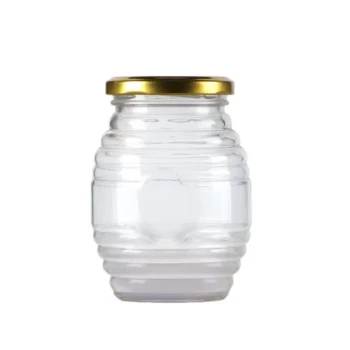
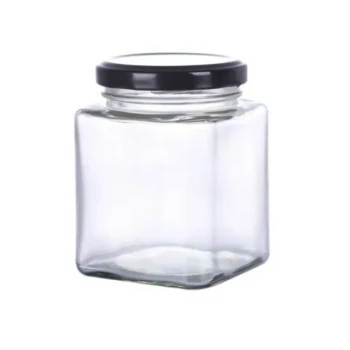
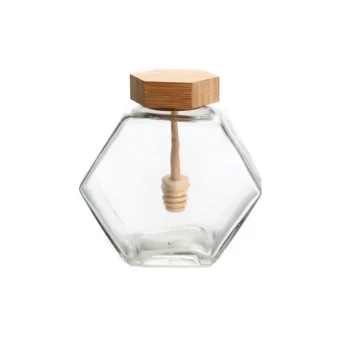
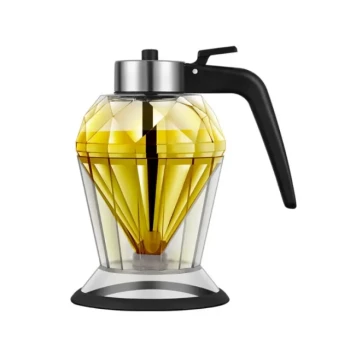
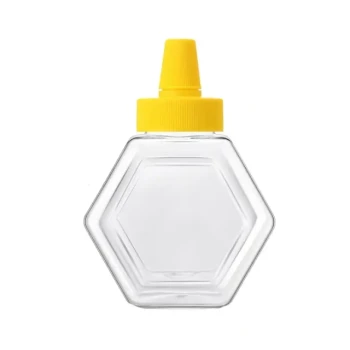
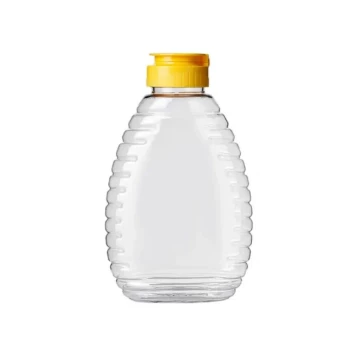
Packaging is the guardian of product integrity. While consumers prioritize the honey itself, high-quality standardized glass packaging is the critical barrier that preserves that internal quality. It offers superior chemical stability to prevent oxidation and moisture absorption, while its transparency serves as immediate visual verification of the honey's texture and purity.
Glass packaging bridges the gap between production quality and consumer perception. It not only strictly preserves the honey's chemical composition against spoilage but also acts as a transparent display case that validates the product's premium nature.
Preserving the "Internal Quality" Consumers Value
Consumers may buy honey for its taste and health benefits, but the container determines whether those qualities survive the supply chain.
Superior Chemical Stability
Glass is chemically inert. Unlike some porous materials, it does not react with the honey inside.
This stability is essential for preventing oxidation, a chemical process that degrades the quality and nutritional value of the honey over time.
The Airtight Moisture Barrier
Honey is naturally hygroscopic, meaning it readily absorbs moisture from the air.
High-quality sealed glass containers provide superior airtightness compared to simple plastic or clay options.
By locking out moisture, glass prevents the honey from fermenting, which is a primary cause of spoilage.
Protection from External Contaminants
Standardized glass packaging acts as a shield against the environment.
It protects the honey from absorbing external odors, ensuring the specific flavor profile remains authentic.
This barrier also prevents external contamination, maintaining the hygiene standards consumers expect.
Visual Verification and Consumer Trust
Beyond preservation, the physical container functions as a communication tool.
Transparency as Proof
Glass allows the consumer to "audit" the product before purchase.
Its high transparency displays the honey's texture and crystallization state clearly.
This visual access serves as physical proof of the internal quality, building immediate trust.
Standardized Hygiene
Using standardized containers distinguishes a professional product from amateur offerings.
Unlike recycled beverage bottles, which raise concerns about safety, standardized glass signals a commitment to hygiene.
This standardization is often the foundational requirement for entering retail supermarket chains and establishing a recognizable brand.
Understanding the Trade-offs
While glass is superior for preservation and presentation, it introduces logistical challenges that must be managed.
Weight and Transport Costs
Glass is significantly heavier than industrial-grade plastic buckets.
This increased weight leads to higher shipping and fuel costs during distribution.
Fragility and Handling
Glass requires careful handling and robust secondary packaging.
The risk of breakage during transport is higher compared to plastic alternatives, potentially leading to product loss.
Making the Right Choice for Your Goal
Selecting the right packaging is a balance between protection, perception, and logistics.
- If your primary focus is retail shelf presence: Prioritize high-transparency glass to allow the product's texture and purity to visually sell itself.
- If your primary focus is long-term preservation: Choose glass for its superior chemical stability to prevent fermentation and flavor degradation over extended periods.
- If your primary focus is market entry: Use standardized packaging to meet the hygiene and safety protocols required by major distribution channels.
Your packaging is not just a vessel; it is the final guarantor of your honey's quality.
Summary Table:
| Feature | Glass Packaging Benefit | Impact on Honey Quality |
|---|---|---|
| Chemical Stability | Inert material, no leaching | Prevents oxidation and flavor degradation |
| Moisture Barrier | Superior airtight sealing | Prevents fermentation and spoilage |
| Transparency | Clear visual verification | Build trust via texture and purity display |
| Standardization | Professional hygiene compliance | Facilitates entry into retail & supermarkets |
| Durability | Rigid protective structure | Safeguards against external odors & contaminants |
Elevate Your Honey Brand with HONESTBEE Professional Packaging Solutions
At HONESTBEE, we understand that your honey's quality is only as good as the container that protects it. As a leading partner for commercial apiaries and distributors, we provide the full spectrum of high-quality, standardized glass packaging and professional honey-filling machinery designed to meet the strictest industry standards.
Why partner with HONESTBEE?
- Comprehensive Wholesale Range: From premium glass jars to specialized hive-making equipment.
- Global Distribution Support: We cater to large-scale operations with reliable bulk supplies and machinery.
- Industry Expertise: Enhance your retail presence and protect your harvest with our professional-grade consumables.
Ready to scale your production and secure your product integrity? Contact our expert team today to explore our wholesale equipment and packaging solutions!
References
- Dejan KLICKOVIC, Borut Bosančić. Analysis of attitudes of honey consumers in the municipality of Novi Grad (Bosnia and Herzegovina). DOI: 10.17707/agricultforest.63.2.06
This article is also based on technical information from HonestBee Knowledge Base .
Related Products
- Hexagonal Glass Honey Jars with Metal Lug Caps Elegant Versatile Packaging
- Classic Drum Shaped Glass Honey Jar with Airtight Lid
- Classic Round Glass Honey Jar with Lid
- Classic Glass Honey Jar with Metal Lug Cap for Beehive Storage
- Modern Square Glass Honey Jar with Twist Off Lid
People Also Ask
- What is the aesthetic appeal of using glass jars for honey? Elevate Your Brand with Premium Packaging
- What are the logistical challenges associated with using glass jars for honey packaging? Navigating Weight & Fragility
- What are the advantages of glass containers for honey? Elevate Quality and Market Value with Premium Packaging
- What are the technical advantages of using glass jars for honey? Master Commercial Packaging for Premium Purity
- What are the advantages of using glass jars for honey packaging? Preserve Purity & Elevate Your Brand