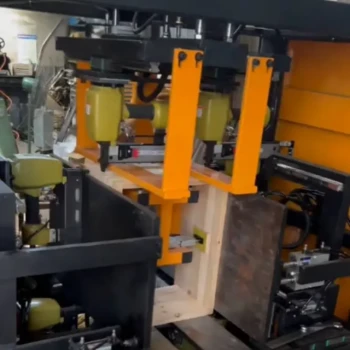
The use of clean, empty hive boxes is mandatory in the shook swarm technique because it physically separates the colony from its history of contamination. By transferring the bees into a completely sterile environment, you ensure the total removal of old combs, honey, and pollen that serve as reservoirs for disease and environmental toxins.
The shook swarm technique acts as a biological "reset," effectively breaking the transmission cycle of pathogens like American Foulbrood and eliminating accumulated pollutants to provide a sterile foundation for future colony growth.
Breaking the Cycle of Disease
The primary objective of the shook swarm method is to interrupt the transmission of hive-specific pathogens.
Removing the Bacterial Reservoir
Old combs are not merely structural; they are biological storage units that can harbor pathogens for years.
The reference specifically identifies American Foulbrood (AFB) as a target of this technique. The spores of AFB reside in the old wax and food stores, waiting to infect new generations of brood.
Interrupting Transmission
By shaking the bees into a clean box, you physically isolate the adult bees from the source of infection.
The clean box ensures that no contaminated material—neither wax nor honey—makes the transition. This creates a "firebreak" that prevents the pathogen from continuing its lifecycle in the new hive setup.
Detoxifying the Hive Environment
Beyond biological threats, old hives accumulate chemical hazards that compromise colony health over time.
Eliminating Accumulated Pollutants
Beeswax is lipophilic, meaning it absorbs and holds onto oil-soluble chemicals.
Over time, old wax becomes a sink for environmental pollutants, including pesticides and heavy metals. If these combs remain in use, the colony is perpetually exposed to these concentrated toxins.
Providing a Sterile Baseline
The introduction of a clean box forces the colony to construct fresh, uncontaminated wax.
This provides a sterile starting point for colony production. It ensures that the larvae are reared in a pure environment, free from the legacy of chemical buildup found in previous seasons' comb.
The Critical Trade-off: Why "Mostly Clean" Fails
To succeed, the shook swarm technique requires an all-or-nothing approach to equipment hygiene.
The Failure of Partial Measures
You cannot reuse even a single frame of old drawn comb when performing this manipulation.
Retaining any old material bridges the gap between the old environment and the new one. Doing so reintroduces the very pathogens and pollutants you are trying to eliminate, rendering the effort futile.
The Investment in Rebuilding
The trade-off for this sterile environment is that the colony must expend significant energy to draw new comb immediately.
However, this energy cost is the necessary price for a disease-free, toxin-free environment. The clean box is the only variable that guarantees the colony is not fighting an invisible battle against its own infrastructure.
Making the Right Choice for Your Goal
This technique is a drastic but necessary intervention for colony health. Here is how to verify you are applying it correctly based on your objectives:
- If your primary focus is Disease Management: Ensure the new box is completely free of old honey and pollen to permanently break the transmission chain of American Foulbrood.
- If your primary focus is Colony Vigor: Use the clean box to eliminate the chronic stress of pesticide-laden wax, allowing the bees to raise brood in a chemically neutral environment.
A clean box is not just a container; it is the fundamental tool that converts a struggling colony into a hygienic, productive unit.
Summary Table:
| Feature | Impact on Colony Health | Reason for Requirement |
|---|---|---|
| Disease Prevention | Eliminates AFB Spores | Removes bacterial reservoirs found in old wax and food stores. |
| Toxin Removal | Detoxifies Environment | Beeswax absorbs pesticides/metals; new boxes force clean wax production. |
| Transmission Break | Stops Pathogen Cycle | Creates a physical firebreak between contaminated history and new growth. |
| Comb Construction | Provides Sterile Baseline | Ensures larvae are reared in a pure, chemically neutral environment. |
Maximize Your Apiary’s Health with HONESTBEE
At HONESTBEE, we understand that maintaining a sterile environment is critical for commercial apiaries and distributors. Whether you are implementing the shook swarm technique to combat disease or looking to refresh your infrastructure, we provide the comprehensive tools you need to succeed.
Our Value to You:
- Full Spectrum Equipment: From high-quality hive-making machinery to essential beekeeping tools.
- Industry Consumables: A wide array of supplies to support large-scale hive management.
- Wholesale Solutions: Tailored offerings for distributors and commercial operations to ensure you always have clean, reliable equipment on hand.
Ready to elevate your beekeeping productivity? Contact HONESTBEE today to explore our wholesale equipment and machinery solutions.
References
- Ahmet Güler. The effects of the shook swarm technique on honey bee (<i>Apis mellifera L.</i>) colony productivity and honey quality. DOI: 10.1080/00218839.2008.11101420
This article is also based on technical information from HonestBee Knowledge Base .
Related Products
- Langstroth Honey Bee Box Hive Boxes for Different Depths
- Portable Bee Mating Hive Boxes Mini Mating Nucs 8 Frames for Queen Rearing
- Australian Langstroth Beehive Boxes for Beekeeping Wholesales
- Metal Bee Hive Stand Bee Box Stand for Beekeeping
- High-Performance Langstroth Bee Hives for Global Professional Beekeeping
People Also Ask
- What role do standardized Langstroth boxes play in commercial apiary management and honey bee research? | HONESTBEE Guide
- What are the primary advantages of using standardized Langstroth boxes? Scale Your Commercial Beekeeping Operation
- What are the differences between the three standard depths of Langstroth boxes? Choose the Best Size for Your Apiary
- What features of Langstroth hive boxes contribute to expandability and honey yield? Maximize Your Apiary Production
- What are the typical uses for the different box sizes in a Langstroth hive? Master Hive Management & Efficiency