Placing a queen in a dedicated nursery colony is an absolute necessity to ensure her physical survival and reproductive viability. This specialized environment provides the stable temperature, humidity, and worker care required for the queen to recover from procedural stress and successfully store the introduced sperm.
Core Takeaway The success of artificial insemination is defined not by the injection, but by the recovery. A dedicated nursery colony acts as a biological incubator, ensuring the sperm successfully migrates to long-term storage and preventing mortality caused by post-operative stress.
The Physiological Imperative
Facilitating Sperm Migration
The primary biological reason for the nursery colony involves the internal movement of sperm. During insemination, sperm is deposited into the queen's median oviduct, which is only a temporary holding area.
For the queen to be fertile, this sperm must migrate to the spermatheca, a specialized storage organ. This migration is a complex physiological process that requires the queen to be in peak physical condition, supported by a stable environment.
Reducing Procedural Stress
Artificial insemination is a traumatic event for the queen. The physical handling and anesthesia create significant physiological stress.
Without immediate, high-quality care, this stress can lead to a loss of vigor or death. The nursery colony mitigates this by providing immediate support, allowing the queen to direct her energy toward recovery rather than survival.
Environmental and Social Control
Precision Climate Regulation
Post-operative queens are highly sensitive to temperature fluctuations. They require a constant ambient temperature of approximately 34-35°C.
A dedicated nursery colony generates and maintains this heat naturally. This thermal stability is critical for the metabolic processes involved in sperm migration and general healing.
Protection and Acceptance
A queen that has just been inseminated does not yet emit the full pheromone profile of a laying queen. In an uncontrolled environment, worker bees may view her as an intruder.
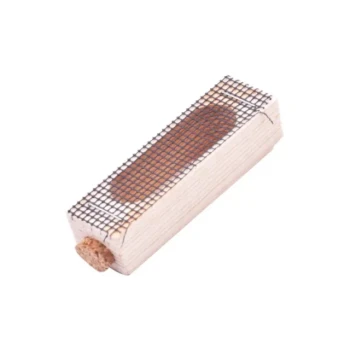
This can lead to balling, a behavior where workers aggressively surround and attack the queen. The nursery colony, often utilizing banking cages, allows the queen to develop her mandibular gland pheromones safely, significantly improving her acceptance rate.
Understanding the Trade-offs
Genetic Precision vs. Biological Risk
Artificial insemination allows for precise management of genetic traits, such as disease resistance and temperament. However, this comes at the cost of bypassing natural selection and mating flights.
The Cost of Intervention
The trade-off is that an inseminated queen is biologically more vulnerable in the short term than a naturally mated one. If the nursery colony fails to provide the correct humidity or protection, the investment in that specific genetic line is lost immediately due to the queen's inability to recover.
Making the Right Choice for Your Goal
To ensure your breeding program yields viable queens, apply the following approach:
- If your primary focus is Maximum Fertility: Ensure the nursery colony maintains a strict temperature of 34-35°C to maximize sperm migration to the spermatheca.
- If your primary focus is Queen Survival: Utilize banking cages within the nursery to prevent worker aggression (balling) until the queen's pheromones fully develop.
The nursery colony is not merely a holding cell; it is the bridge between a medical procedure and a thriving apiary.
Summary Table:
| Factor | Requirement | Importance for Inseminated Queen |
|---|---|---|
| Temperature | 34-35°C (93-95°F) | Essential for metabolic recovery and sperm migration to the spermatheca. |
| Social Safety | Banking Cages / Isolation | Prevents "balling" behavior while the queen's pheromones normalize. |
| Sperm Migration | Post-Op Stability | Facilitates movement of sperm from the median oviduct to long-term storage. |
| Stress Control | Low Disturbance | Minimizes trauma from handling and anesthesia to prevent loss of vigor. |
Maximize Your Breeding Success with HONESTBEE
At HONESTBEE, we understand that successful queen breeding requires more than just technique—it requires professional-grade infrastructure. Whether you are managing a large-scale commercial apiary or acting as a specialized distributor, we provide the industrial-strength tools you need to succeed.
From high-precision queen-rearing equipment and nursery housing to advanced honey-processing machinery, HONESTBEE is your global partner in beekeeping excellence. We empower our clients with durable hardware and essential consumables designed for the rigors of modern apiculture.
Ready to scale your production? Contact HONESTBEE today for wholesale solutions
References
- Susan Cobey. An Introduction to Instrumental Insemination of Honey Bee Queens. DOI: 10.1080/0005772x.2016.1222790
This article is also based on technical information from HonestBee Knowledge Base .
Related Products
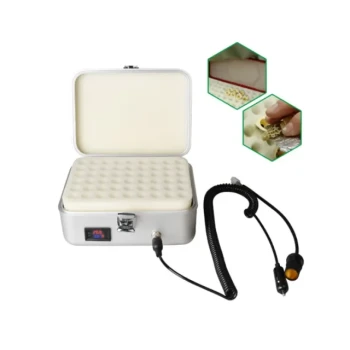
- Portable Queen Bee Incubator with 12V Car Adapter for Safe Transport
- Durable Galvanized Steel Spring Queen Bee Cage
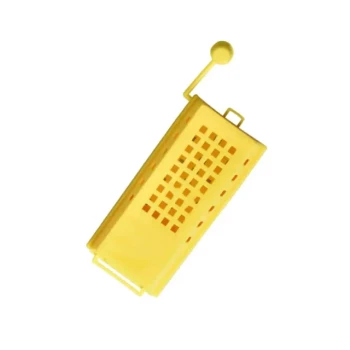
- Professional Multi-Functional Queen Bee Cage
- Professional Queen Cage with Sliding Gate and Feeder Plug
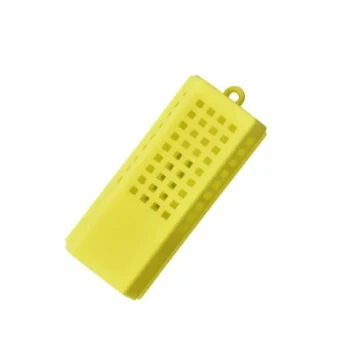
- Professional Multi-Compartment Queen Cage with Sliding Lid
People Also Ask
- What happens if a colony loses its queen during the nectar flow? A Guide to Salvaging Your Honey Harvest
- How can you tell if the worker bees have accepted the queen? Decode Bee Behavior for a Thriving Hive
- How can the queenless state of a newly created nuc be resolved? Expert Solutions for Colony Growth
- What are the primary reasons for replacing a queen bee? Boost Your Commercial Honeybee Colony's Success
- What queen bee behaviors should be observed after introduction? Ensure Hive Success with Our Expert Monitoring Guide