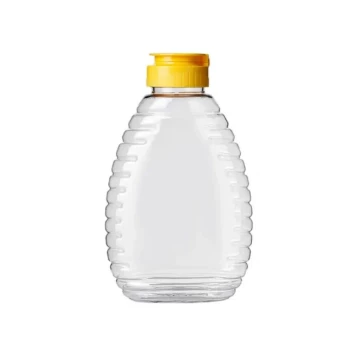
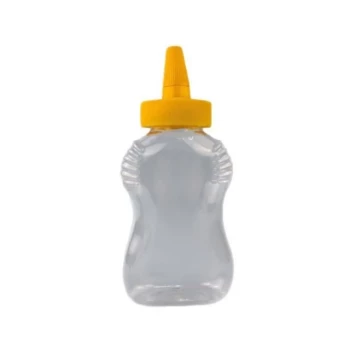
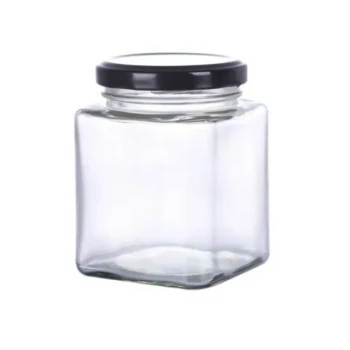
Storing honey samples in airtight, clean bottles is mandatory because honey is highly hygroscopic, meaning it actively absorbs moisture from the surrounding air. If a sample is exposed to the environment, its water content will fluctuate, potentially triggering fermentation and spoilage, which renders laboratory data regarding its physical and chemical properties invalid.
The integrity of laboratory analysis relies on analyzing the honey exactly as it existed in the hive. Airtight, sterile containment is the only way to "freeze" the sample's state, preventing moisture exchange, microbial growth, and chemical alteration.
The Critical Role of Moisture Control
The Hygroscopic Nature of Honey
Honey acts as a sponge for atmospheric moisture. Without an airtight seal, the sample will continuously exchange moisture with the external environment until it reaches equilibrium.
Preventing Fermentation
As honey absorbs water, it becomes susceptible to yeast activity. Increased moisture content creates an environment where fermentation can begin, leading to spoilage and a fundamental change in the sample's chemical composition.
Ensuring Accurate Moisture Readings
Moisture content is a primary quality index in honey analysis. If the container allows air exchange, the laboratory results will reflect the storage conditions rather than the actual quality of the honey at the time of collection.
Preserving Chemical and Biological Purity
Eliminating Cross-Contamination
"Clean" bottles usually imply high-density sterile containers, such as sterile polyethylene or glass. Using these prevents the introduction of external microorganisms, dust, or chemical impurities that would skew physicochemical index testing results.
Stabilizing Botanical Markers
Accurate analysis of pollen and minerals requires a stable environment. Sealed storage ensures that the pollen composition—crucial for determining the honey's floral source—remains representative of the specific forage period.
Protecting Flavor Profiles
Honey contains natural acids and volatile organic compounds that define its flavor. Airtight storage prevents the loss of these volatile compounds and blocks the absorption of external odors that could confuse sensory evaluation.
Common Pitfalls to Avoid
Material Reactivity
Not all "clean" bottles are suitable for honey; the container material must be chemically inert. Glass is often preferred because it does not react with the natural acids in honey, whereas certain reactive metals or low-grade plastics could alter the sample's chemical profile.
The Illusion of "sealed"
Simply capping a bottle is not always sufficient; the material must be impermeable to gases. Permeable containers can allow slow oxidation or moisture ingress over time, subtly altering the sample before it reaches the lab.
Making the Right Choice for Your Goal
To ensure your laboratory results are defensible and accurate, select your storage method based on your specific analytical needs.
- If your primary focus is Moisture and Fermentation Analysis: Prioritize an absolute airtight seal to prevent hygroscopic absorption and yeast activation.
- If your primary focus is Sensory or Pollen Profiling: Use chemically inert containers like sealed glass to prevent reaction with natural acids and absorption of external odors.
The quality of your data is only as good as the integrity of your sample storage.
Summary Table:
| Factor | Risk of Improper Storage | Benefit of Airtight/Clean Bottles |
|---|---|---|
| Moisture Content | Hygroscopic absorption leads to fermentation | Maintains original water levels and prevents spoilage |
| Chemical Purity | Cross-contamination from dust or residue | Ensures accurate physicochemical index results |
| Botanical Profile | Loss or degradation of pollen markers | Preserves floral source data for origin verification |
| Flavor/Aroma | Loss of volatiles or absorption of odors | Protects natural acids and sensory characteristics |
| Material Safety | Acidic reactions with reactive containers | Chemically inert storage (Glass/PE) prevents alteration |
Maximize Your Honey Quality with HONESTBEE
At HONESTBEE, we understand that precision is the backbone of a successful commercial apiary. As a premier partner for commercial apiaries and global distributors, we provide more than just tools—we provide the integrity your brand depends on. From professional-grade honey-filling machines to specialized hive-making equipment and industry consumables, our comprehensive wholesale portfolio is designed to preserve your product from hive to laboratory.
Why partner with HONESTBEE?
- Expert Machinery: Streamline production with high-precision honey-filling and extraction technology.
- Total Solutions: Access a full spectrum of beekeeping hardware and essential industry supplies.
- Targeted Support: We cater specifically to the scale and needs of wholesale distributors and large-scale operations.
Ensure your honey maintains its premium status and lab-certified purity. Contact HONESTBEE today to discuss your equipment needs and see how our hardware can elevate your honey production standards.
References
- Samson O. Famuyiwa, Michael Adebayo. Proximate, mineral and melissopalynological analyses of honeys produced by Apis mellifera adansonii maintained at the University of Lagos Apiary. DOI: 10.47253/jtrss.v8i2.625
This article is also based on technical information from HonestBee Knowledge Base .
Related Products
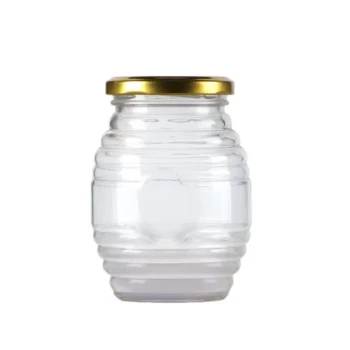
- Classic Glass Honey Jar with Metal Lug Cap for Beehive Storage
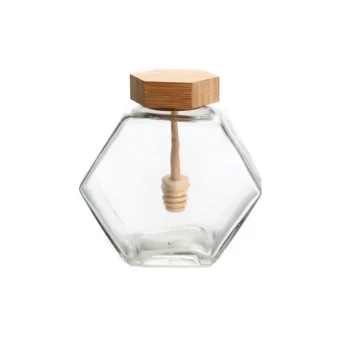
- Hexagonal Glass Honey Jar with Wooden Lid Integrated Dipper Elegant Functional Storage
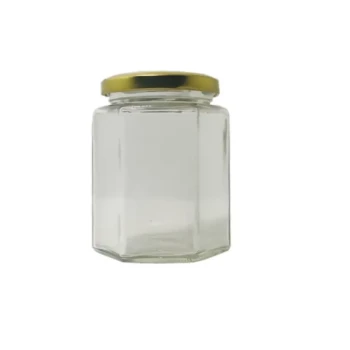
- Hexagonal Glass Honey Jars with Metal Lug Caps Elegant Versatile Packaging
- Stainless Steel Honey Storage Tank with Lid for Honey
- Stainless Steel Honey Storage and Settling Tank with Double Strainer
People Also Ask
- What are the benefits of glass jars regarding strength and safety for storing honey? Ensure Purity and Long-Term Quality
- What are the advantages of using glass jars for honey storage? Ensure Purity and Premium Appeal for Your Product
- What are the benefits of using high-transparency Glass Jars for honey? Elevate Purity and Premium Branding
- What is the aesthetic appeal of using glass jars for honey? Elevate Your Brand with Premium Packaging
- Which container is best for storing honey? Preserve Purity & Flavor with the Right Choice