Strict adherence to harvesting schedules and the use of specialized tools is the only way to guarantee honey stability, safety, and biological integrity. Honey is only considered mature when the honeycomb cells are completely sealed with beeswax, a visual indicator that the substance has reached its peak quality. Utilizing proper equipment during this window ensures the preservation of natural enzymes and maintains moisture content at safe levels, preventing the product from spoiling in storage.
Core Takeaway Harvesting must occur only when honey is fully mature (sealed) to maintain a critical moisture content between 17% and 21%, which effectively blocks fermentation and preserves shelf life. Specialized tools further enhance this process by extracting honey without destroying the honeycomb, allowing bees to reuse the structure and significantly increasing future yields.
The Critical Role of Timing: Moisture and Maturity
The Biological Indicator of Maturity
In honey production, "maturity" is not a vague concept; it is strictly defined by the bees' behavior. Honey is ready for harvest only when the honeycomb cells are completely sealed with beeswax. This capping indicates that the bees have finished processing the nectar and it is stable for long-term storage.
Controlling Moisture Content
The primary reason for strict timing is the regulation of water. A controlled harvesting process ensures the moisture content stays within the ideal range of 17% to 21%. Keeping moisture within these specific limits is the single most important factor in preventing fermentation and extending the product's shelf life.
Preserving Biological Activity
Beyond simple preservation, precise timing protects the honey's nutritional value. Harvesting at the correct maturity helps preserve the biological activity of the honey, ensuring that its natural properties remain intact from the hive to the jar.
The Function of Specialized Harvesting Tools
Preservation of Active Ingredients
Tools such as honey extractors and uncapping devices are designed for more than just speed. They efficiently separate the liquid from the comb while preserving natural active ingredients and enzymes. Rough or amateur extraction methods often degrade these delicate compounds, lowering the quality of the final product.
Ensuring Chemical Stability
Specialized diagnostic tools, specifically the honey refractometer, are essential for verifying the unseen chemistry of the harvest. By accurately gauging sugar content and ensuring moisture is not excessive, producers can scientifically predict shelf stability and prevent spoilage before the honey is even bottled.
Safety and Aggression Management
The use of specialized safety gear, such as smokers, serves a dual purpose: protecting the beekeeper and the colony. Smokers release smoke that interferes with alarm pheromones, calming the bees and allowing for a safe harvest that minimizes harm to the colony's population.
Efficiency and Sustainability Through Mechanics
Centrifugal Force and Structural Integrity
Industrial-grade honey extractors utilize centrifugal force to spin honey out of the frames. Unlike crushing methods, this technique extracts the liquid without destroying the beeswax structure.
Maximizing Yield via Comb Reuse
The ability to preserve the beeswax structure is economically vital. Because the honeycomb remains intact, bees can reuse the frames rather than spending energy and time building new wax. This energy conservation redirects the colony's efforts toward nectar collection, significantly increasing the total annual honey yield.
Precision Uncapping
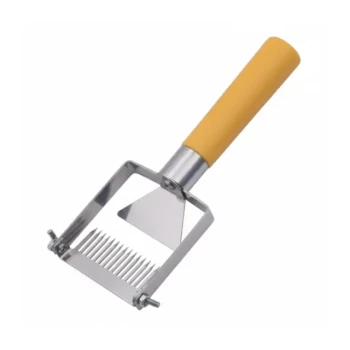
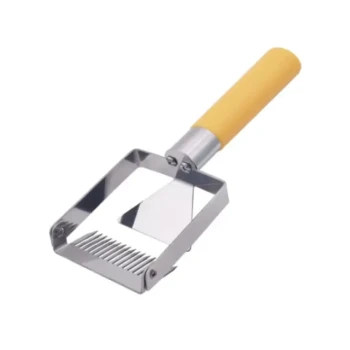
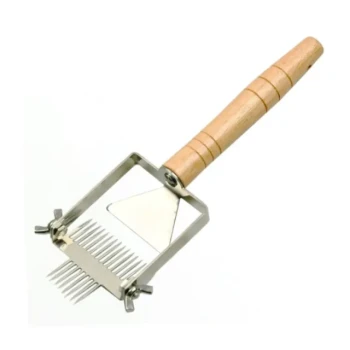
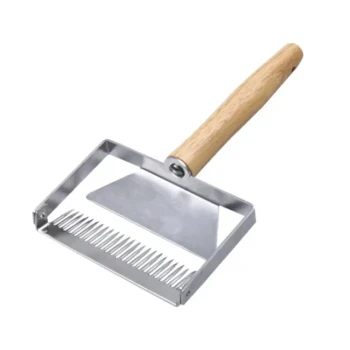
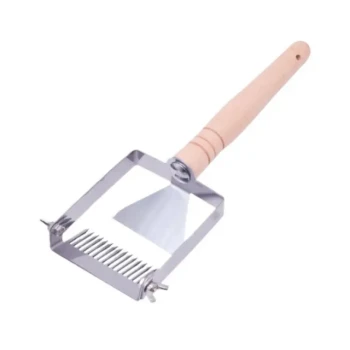
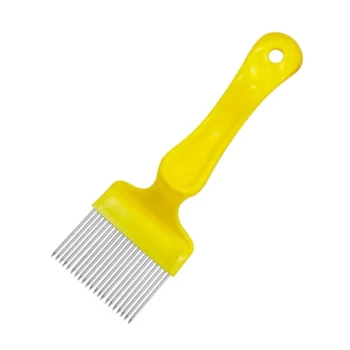
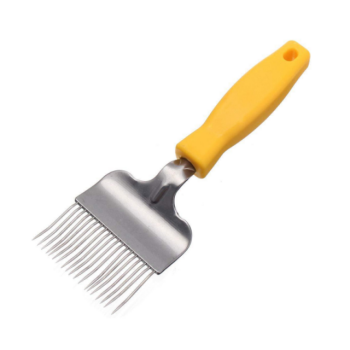
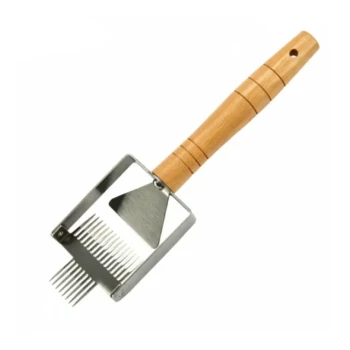
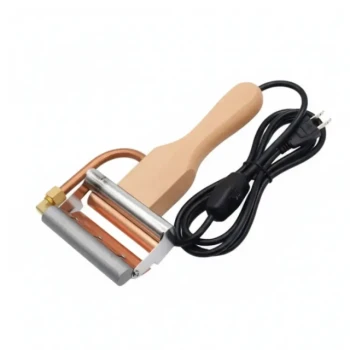
Electric uncapping knives and specialized tools remove only the thin layer of wax seals. This precision ensures the structural integrity of the honeycomb frames is maintained, further supporting the cycle of reuse and rapid colony recovery after harvest.
Common Pitfalls to Avoid
The Risk of Premature Harvesting
Harvesting before the cells are fully sealed is a critical error. This almost invariably results in honey with excessive moisture content, which creates an environment conducive to yeast growth and rapid fermentation within the storage jars.
Damage from Improper Tools
Attempting to harvest without specialized extraction machinery often necessitates destroying the comb to release the honey. This not only results in a "dirty" harvest containing wax and debris but also forces the bees to rebuild the comb from scratch, drastically reducing the production capacity of the hive for the season.
Making the Right Choice for Your Goal
To optimize your honey production, align your methods with your specific objectives:
- If your primary focus is Product Stability: Use a refractometer to strictly enforce the 17-21% moisture limit and harvest only when combs are fully capped to prevent fermentation.
- If your primary focus is Maximum Yield: Invest in a centrifugal extractor and precision uncapping tools to preserve drawn comb, allowing bees to focus immediately on nectar collection rather than wax building.
- If your primary focus is Bio-Activity: Minimize heat and processing time by using efficient mechanical extractors that separate honey quickly without degrading natural enzymes.
Mastering the intersection of biological maturity and mechanical precision is the only way to transform raw nectar into a high-quality, sustainable commercial product.
Summary Table:
| Key Factor | Requirement/Standard | Purpose & Benefit |
|---|---|---|
| Harvest Maturity | Cells 100% sealed with beeswax | Ensures peak biological activity and ripeness. |
| Moisture Content | 17% to 21% range | Prevents fermentation and extends shelf life. |
| Extraction Method | Centrifugal Force (Extractor) | Preserves honeycomb structure for reuse and higher yields. |
| Quality Verification | Honey Refractometer | Scientifically confirms sugar and moisture stability. |
| Hive Safety | Smokers and Safety Gear | Calms bees by blocking pheromones for stress-free harvest. |
Elevate Your Apiary with Professional-Grade Solutions
Maximize your honey quality and commercial yield with the right expertise and equipment. HONESTBEE provides commercial apiaries and distributors with high-performance honey-filling machines, specialized extraction hardware, and a complete range of beekeeping tools designed for efficiency.
Whether you are scaling your operation or sourcing premium consumables, our team is ready to support your growth.
Contact HONESTBEE Today for a Wholesale Consultation
References
- Aliefman Hakim, Syarifa Wahidah Al Idrus. Honey and its role in developing Lombok and Sumbawa islands as destinations for traditional health tourism based on Sasambo culture. DOI: 10.29303/jpm.v16i5.2865
This article is also based on technical information from HonestBee Knowledge Base .
Related Products
- Adjustable Stainless Steel Honey Uncapping Fork with Plastic Handle for Beekeeping
- All-Stainless Steel Pivoting Honey Uncapping Fork for Beekeeping
- Stainless Steel Pivoting Honey Uncapping Fork with Plastic Handle
- Professional Honey Uncapping Roller for Efficient Harvesting
- Professional Stainless Steel Pry-Bar Hive Tool
People Also Ask
- What is the design purpose of honey uncapping forks and honey uncapping tanks? Maximize Your Harvest Efficiency
- How does a honey uncapping fork supplement the use of an uncapping knife? Boost Your Honey Yield and Extraction Efficiency
- What are the essential tools for uncapping honey frames? Choose the Right Tool for Your Apiary
- What other tools are available for honey uncapping besides knives? Find the Right Tool for Your Apiary's Scale
- What tools are used for honey uncapping? Choose the Right Knife for Your Harvest