Processing bee pollen is strictly necessary to transform a volatile, raw biological material into a stable sample suitable for analysis or consumption. These specific steps—drying, sieving, and refrigeration—collectively function to halt microbial growth, eliminate physical contaminants, and "lock in" the chemical profile of the pollen.
The Core Insight Raw bee pollen is biologically active and highly perishable due to its high moisture and protein content. Without immediate stabilization, enzymatic degradation and fungal growth will rapidly alter its chemical structure, rendering any subsequent laboratory analysis or nutritional assessment inaccurate.
The Principles of Sample Stabilization
Controlling Biological Activity through Drying
Freshly collected pollen contains significant moisture, often ranging from 7% to 21%. This creates an ideal environment for rapid biodegradation and mold growth, specifically fungi like Aspergillus.
Drying is the primary defense against this decay. By reducing moisture content to a safe range (typically between 2.5% and 6%), the process effectively removes the medium required for microbial proliferation.
Ensuring Purity via Sieving
Raw samples collected directly from hives are rarely pure. They frequently contain "hive debris," which can include bee parts, wax fragments, dust, and chaff.
Sieving functions as a mechanical purification step. It isolates the pollen pellets from these impurities, ensuring that the mass being analyzed represents only the pollen itself, not extraneous hive matter.
Preserving Chemical Integrity with Refrigeration
Even after drying and cleaning, pollen remains chemically fragile. It is rich in proteins, lipids, and bioactive phenolic substances that can degrade over time at room temperature.
Refrigeration provides a low-temperature environment that inhibits enzymatic activity. This "thermal lock" preserves the complex chemical structures and nutritional components, ensuring the sample remains valid for laboratory testing.
Understanding the Trade-offs
The Balance of Temperature and Quality
While drying is essential for preservation, the application of heat presents a critical trade-off. Excessive heat can destroy the very nutrients you are trying to preserve, particularly heat-sensitive enzymes and vitamins.
Protocols typically recommend controlled temperatures (often around 35–45°C) to evaporate moisture without cooking the sample. If the temperature is too low, mold may grow before the drying is complete; if too high, the bioactive compounds are degraded.
The Risk of Mycotoxins
Failing to dry and refrigerate pollen isn't just a matter of spoilage; it is a safety hazard. Improperly handled pollen allows for the production of mycotoxins, such as Ochratoxin A.
Strict adherence to these processing steps is the only way to prevent the formation of these dangerous toxic compounds in the final product.
Making the Right Choice for Your Goal
Whether you are preparing samples for scientific research or commercial distribution, the rigor of your processing dictates the quality of your results.
- If your primary focus is Laboratory Analysis: Prioritize refrigeration and rapid processing to inhibit enzymatic changes, ensuring your data reflects the pollen's original chemical state.
- If your primary focus is Commercial Safety: Prioritize thorough drying and sieving to meet hygiene standards, remove physical debris, and prevent the development of toxic molds during storage.
Effective pollen processing is not about improving the product, but rather preventing the inevitable loss of its natural quality.
Summary Table:
| Process | Primary Function | Key Benefit |
|---|---|---|
| Drying | Reduces moisture (to 2.5-6%) | Halts microbial growth and prevents mold/mycotoxins |
| Sieving | Mechanical purification | Removes hive debris, bee parts, and wax contaminants |
| Refrigeration | Low-temperature storage | Inhibits enzymatic degradation and preserves bioactive compounds |
Elevate Your Beekeeping Operation with HONESTBEE
Preserving the quality of bee pollen requires precision and professional-grade equipment. At HONESTBEE, we specialize in supporting commercial apiaries and distributors with a comprehensive range of wholesale beekeeping solutions. From high-efficiency pollen processing machinery to specialized hive hardware and essential consumables, we provide everything you need to maintain product integrity and safety.
Partner with HONESTBEE to scale your production and ensure premium quality.
References
- Ajendra Singh Bagri, Eza Gloch. Botanical origin and chemical composition of bee pollens collected from Apis cerana hives domesticated in the Pauri Garhwal, Western Himalaya, India. DOI: 10.12775/eq.2023.020
This article is also based on technical information from HonestBee Knowledge Base .
Related Products
- Plastic Bee Pollen Trap Strips Comb Catcher Collector
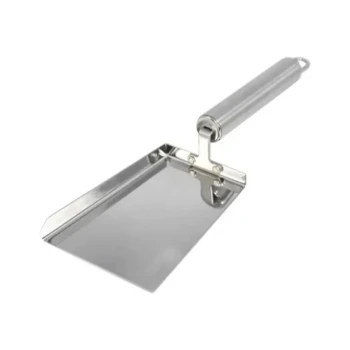
- Heavy-Duty Ergonomic Grip Galvanized Pollen Shovel
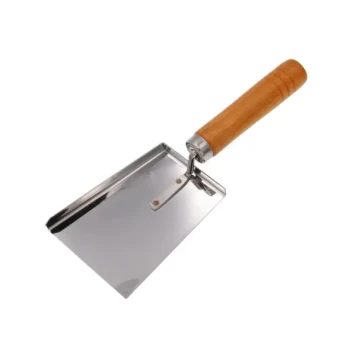
- Stainless Steel Pollen Shovel with Wooden Handle
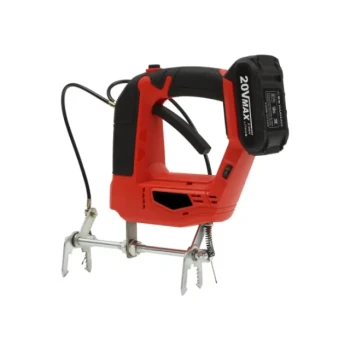
- High Performance Cordless Electric Bee Shaker for Beekeeping
- Removable Plastic Pollen Trap With Ventilated Tray for Bees Pollen Collector
People Also Ask
- For what reasons do beekeepers collect bee pollen? Boost Hive Health and Unlock New Revenue Streams
- What are the design principles and advantages of pollen traps in the collection of bee pollen? Boost Your Apiary Yield
- What are the ideal weather conditions for installing a bee pollen trap? Ensure Colony Safety with Expert Timing
- Why is frequent harvesting of bee pollen from traps necessary for quality control? Ensure Freshness and Prevent Mold.
- What are the primary functions of a standard pollen trap in research? Maximize Data Accuracy in Bee Nutrition Studies